


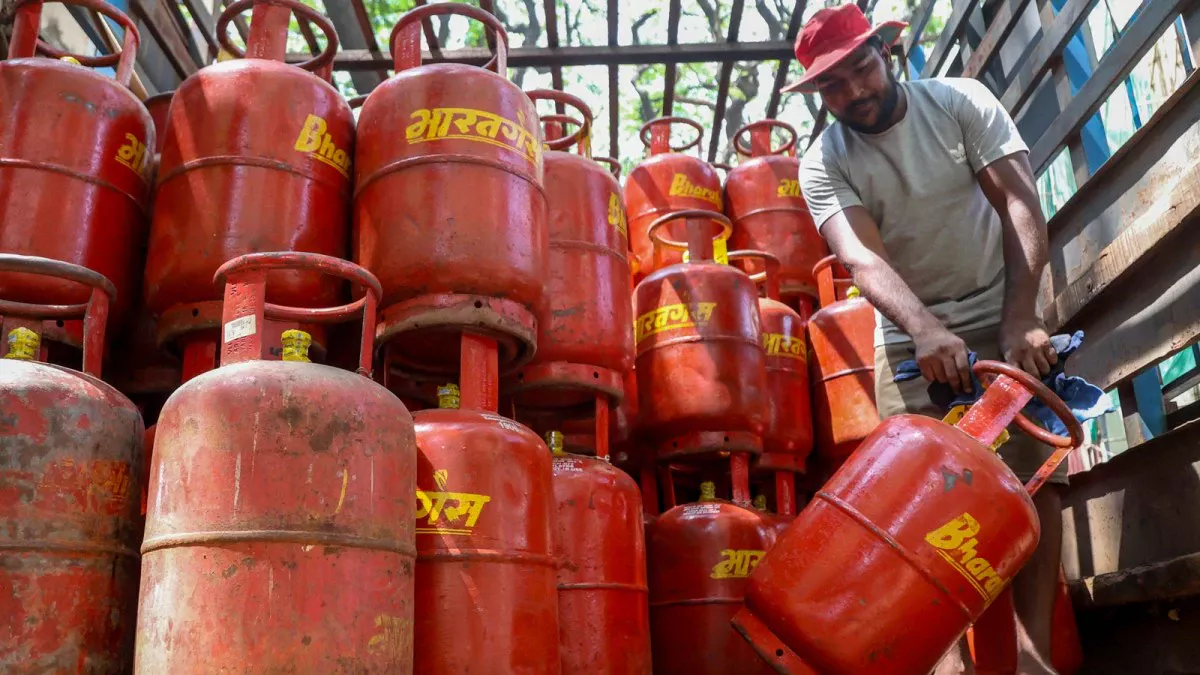
Nagpur’s local business ecosystem is facing operational disruptions as LPG supply constraints begin to impact daily commercial activity, highlighting vulnerabilities in urban energy distribution systems. A prominent eatery in the Sadar area has curtailed its operating hours after struggling to secure a steady supply of LPG cylinders, reflecting a broader issue affecting small businesses across parts of the city. The disruption underscores how even short-term supply inconsistencies can ripple through local economies, particularly for enterprises dependent on uninterrupted fuel access.
The Nagpur LPG shortage has brought attention to the fragility of last-mile energy delivery in rapidly growing urban centres. While authorities maintain that overall fuel availability remains stable, localised disruptions appear to be affecting distribution channels, creating uncertainty for businesses that rely on predictable supply cycles. For small and medium enterprises, particularly in the food and hospitality sector, LPG is a critical input. Any interruption can lead to reduced operating capacity, loss of revenue, and potential layoffs. In dense commercial areas, where competition is high and margins are tight, even minor disruptions can have outsized impacts. Urban planners note that energy reliability is a foundational component of city resilience. As cities expand and commercial activity intensifies, ensuring consistent access to essential resources like cooking fuel becomes as important as infrastructure such as roads and water supply. The Nagpur LPG shortage also reflects broader systemic challenges, including supply chain coordination, inventory management, and monitoring mechanisms. In some cases, inefficiencies in distribution or delays in cylinder refilling can create temporary shortages, even when overall supply levels are adequate. Experts point out that informal practices and leakages in the supply chain can exacerbate such situations. Diversion of cylinders for non-domestic use or black-market activity can strain availability for legitimate consumers, particularly in high-demand urban zones. The issue is further complicated by fluctuating demand patterns. Seasonal variations, commercial spikes, and shifts in consumption behaviour can create sudden pressure on distribution networks, requiring agile and responsive supply management systems. From a policy perspective, strengthening digital tracking of LPG distribution and improving transparency in allocation processes could help mitigate such disruptions. Real-time monitoring systems can enable authorities to identify bottlenecks and respond more effectively to emerging shortages. The situation also highlights the need for diversification in urban energy sources. As cities move towards more sustainable and resilient systems, alternatives such as electric cooking solutions and decentralised energy systems may play a role in reducing dependence on LPG.
For Nagpur, addressing the immediate supply constraints will be critical to restoring normalcy for affected businesses. At the same time, the episode serves as a reminder of the importance of robust energy infrastructure in supporting urban economic activity. Looking ahead, ensuring reliable and equitable access to essential fuels will remain central to building resilient cities. As urban economies grow more complex, strengthening supply chains and reducing vulnerabilities will be key to sustaining both livelihoods and everyday urban life.
ALSO READ – Nagpur E Bus Fleet Faces Charging Infrastructure Gap
Nagpur LPG Shortage Disrupts Local Business Operations
