


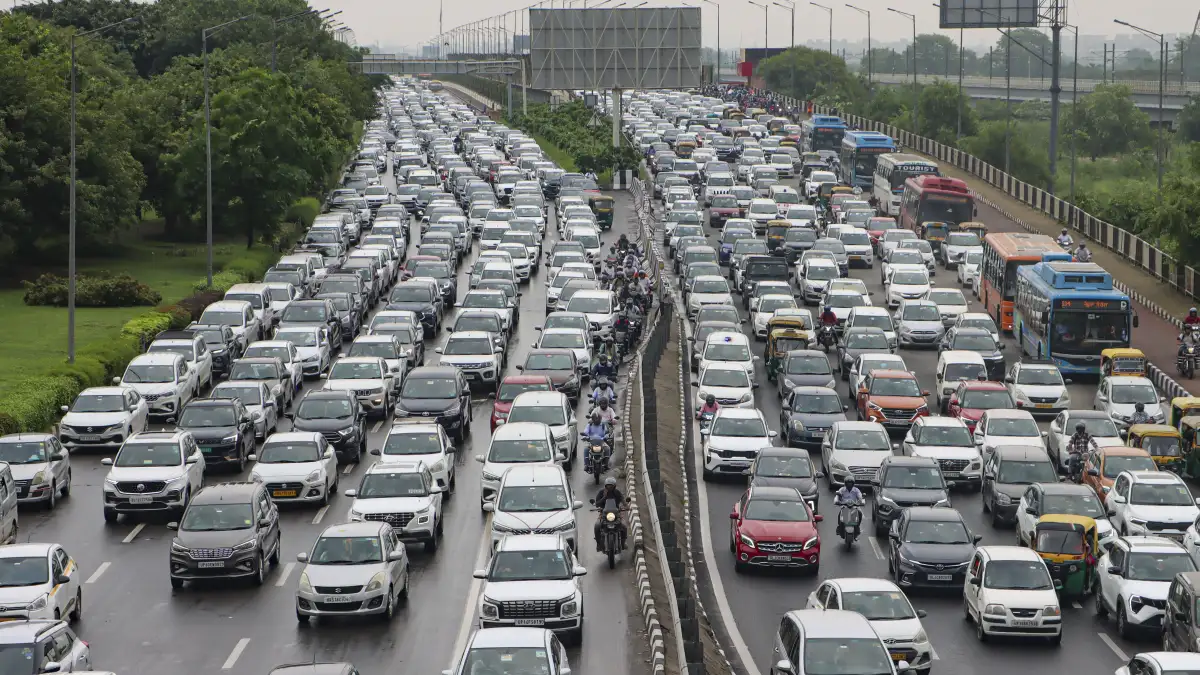
Nagpur’s traffic management strategy is emerging as a template for road safety reform in Maharashtra, with state police leadership advocating its wider adoption to reduce fatalities across urban centres. Senior officials have proposed scaling the “Nagpur model” statewide, targeting a 10% reduction in road deaths by strengthening enforcement, improving infrastructure, and enhancing inter-agency coordination. The push follows a notable decline in fatalities in Nagpur, where road deaths fell by nearly 25% in 2025 despite rising traffic volumes.
The approach combines strict enforcement with targeted interventions at accident-prone zones. A key component has been focused policing initiatives addressing high-risk behaviours such as drunk driving, overspeeding, and violations by heavy vehicles. These measures have been supported by on-ground monitoring and data-driven identification of black spots—areas with recurring accidents. Officials emphasise that quick corrective action at such locations has been critical. Interventions such as improved street lighting, road markings, signage, and physical barriers have been deployed to prevent repeat incidents. The strategy also encourages faster response times in implementing safety measures once accident patterns are identified. The Nagpur road safety model also highlights the importance of multi-agency coordination. Urban safety outcomes depend not only on policing but also on the role of municipal bodies, transport departments, and infrastructure agencies. Aligning these stakeholders has enabled more cohesive action on road design, enforcement, and public awareness. Technology, though still evolving, is another pillar of the model. While gaps remain in surveillance infrastructure, authorities have stressed the need for expanding AI-enabled traffic systems and real-time monitoring tools to improve compliance and enforcement efficiency. The urgency of such measures is underscored by broader trends in Maharashtra. Road accidents remain a significant public safety concern, with thousands of fatalities recorded annually despite ongoing interventions. Recent data indicates that while there has been a modest decline in deaths across the state, sustained improvements require consistent enforcement and infrastructure upgrades. Urban planners point out that road safety is closely tied to city design. High-speed corridors, inadequate pedestrian infrastructure, and mixed traffic conditions contribute to accident risks, particularly in rapidly expanding cities. Addressing these challenges requires integrating safety into urban planning rather than treating it as a standalone enforcement issue. Nagpur’s experience suggests that targeted, localised strategies can deliver measurable results. However, scaling the model across diverse urban contexts will require adaptation to local traffic patterns, infrastructure conditions, and administrative capacities. The initiative also aligns with broader national goals to reduce road fatalities and improve urban liveability. Safer roads not only save lives but also enhance economic productivity by reducing disruptions and healthcare burdens associated with accidents.
Looking ahead, the success of the Nagpur road safety model will depend on sustained political and administrative commitment. Expanding its principles—combining enforcement, engineering, and awareness—could play a critical role in reshaping urban mobility across Maharashtra. As cities continue to grow and vehicle numbers rise, embedding safety into infrastructure planning and governance frameworks will be essential to building resilient, people-first urban environments.
ALSO READ – Hyderabad Bullet Train Hub Near Airport Gains Approval
Nagpur Road Safety Model Gains Statewide Policy Push
