Chandigarh Waste Management Rules Workshop Held By PPCB
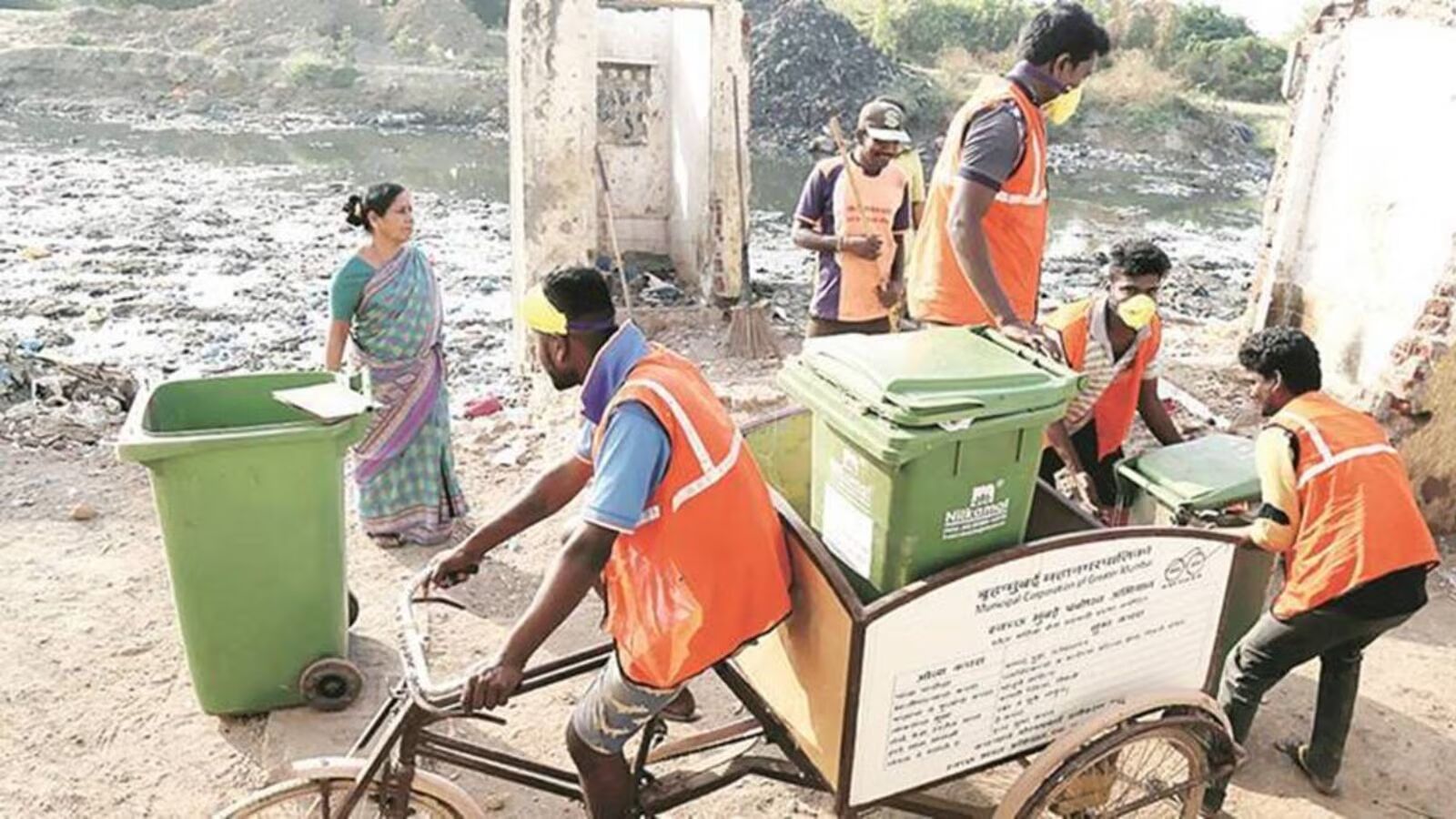
Urban governance in northern India is entering a new phase as Punjab authorities begin preparing cities for stricter waste-management regulations scheduled to take effect from April 1. In Chandigarh, the state’s pollution control agency has organised a large-scale training workshop for municipal officials and technical staff to ensure that the new rules are implemented effectively at the city level.
The workshop brought together nearly 270 officials, including representatives from urban local bodies, waste-management officers and environmental regulators. The sessions focused on the practical challenges of implementing the updated framework, which replaces earlier norms and introduces stricter accountability, improved waste segregation standards and a stronger emphasis on scientific processing of municipal waste. The training assumes significance at a time when waste management has become one of the most pressing urban-infrastructure challenges in the region. Recent data presented in Parliament shows that large volumes of legacy waste remain untreated in several northern states, underlining the gap between waste generation and processing capacity. Punjab, in particular, still has a substantial share of older dump-site waste pending remediation, which makes the implementation of new rules both urgent and complex.
The revised regulations aim to transform how cities handle waste rather than simply improve collection systems. One of the key provisions is mandatory segregation at source into multiple categories, including wet, dry and special-care waste, which will require behavioural change from households as well as new infrastructure such as material-recovery facilities and composting systems. Experts say the success of the policy will depend not only on municipal capacity but also on citizen participation and awareness. The workshop is also part of a broader trend in which environmental regulators are moving beyond enforcement and focusing more on capacity-building. Similar training initiatives in other states and sectors have shown that early preparation often determines whether new environmental regulations succeed or fail once they are rolled out. For cities that are expanding rapidly, such programmes are increasingly being treated as a key component of sustainable urban planning rather than a purely administrative exercise.
Chandigarh’s experience highlights why this transition is critical. The city has already been recognised for its progress in clearing legacy waste and improving waste-processing systems, but rising urban density and consumption patterns continue to generate higher volumes of municipal waste each year. Officials say the new rules are intended to shift the focus from reactive clean-up to long-term waste reduction and resource recovery. The next few months will determine whether the new framework can translate into measurable improvements on the ground. If implemented effectively, the policy could mark a turning point for cities across Punjab — moving them closer to climate-resilient, low-waste urban systems and more sustainable urban growth.