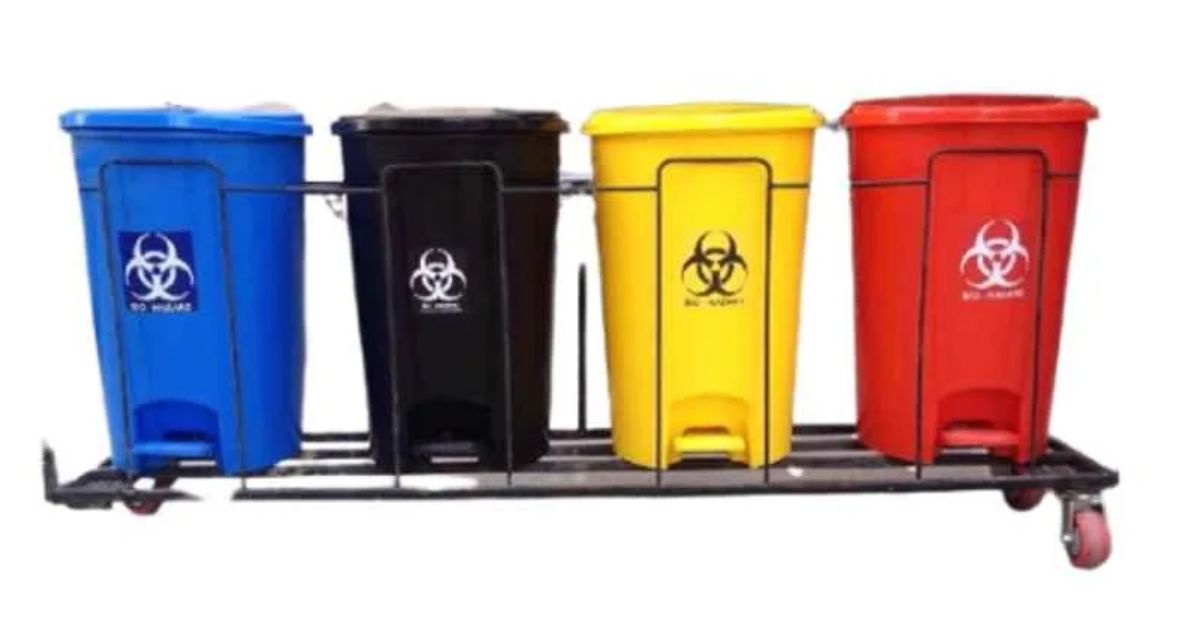
Urban governance in Bihar is entering a new phase after the state government confirmed that a four-stream waste segregation model will be implemented across all urban local bodies from April 1. The reform, which will affect cities including Patna, Gaya and Bhagalpur, is expected to reshape how waste is collected, processed and recycled, while also testing the capacity of municipal systems to shift towards climate-resilient and resource-efficient urban management.
The new system requires households, commercial establishments and institutions to separate waste into four categories—biodegradable (wet), recyclable (dry), sanitary waste and hazardous or special-care waste. Officials say the move is designed to improve the efficiency of waste processing and reduce the volume of garbage that ends up in landfills, which remain one of the biggest environmental risks for fast-growing Indian cities. The timing is significant. The revised Solid Waste Management Rules notified earlier this year come into force nationwide from April 1, replacing earlier norms that struggled to achieve consistent segregation at source. The updated framework emphasises a circular-economy approach—treating waste as a recoverable resource rather than a disposal burden—and places greater responsibility on both citizens and urban local bodies. For Bihar’s cities, the shift is more than a compliance exercise. Rapid urban expansion, migration into district headquarters and the growth of informal settlements have increased pressure on municipal waste systems in recent years.
Poor segregation at the household level has often forced civic bodies to transport mixed waste over long distances, raising costs and reducing the efficiency of composting and recycling facilities. The four-bin model aims to address this structural problem by ensuring that waste is separated at the source itself. Urban planners say the reform could also improve working conditions for sanitation staff, who currently handle mixed waste that includes hazardous materials and sanitary waste. Proper segregation is expected to reduce health risks while also helping cities build decentralised waste-processing systems—an essential step for climate-resilient urban planning, particularly in flood-prone regions where landfill sites frequently contaminate groundwater. The transition, however, will depend heavily on citizen participation and municipal preparedness. Several Indian cities, including Bengaluru and Mangaluru, are introducing similar four-category segregation systems from the same date, indicating that the shift is part of a broader nationwide push to modernise waste governance.
For Patna and other fast-growing urban centres in Bihar, the success of the four bin waste system will ultimately depend on consistent collection services, public awareness and long-term investment in recycling and composting infrastructure. If implemented effectively, the reform could mark a turning point in how smaller and mid-sized Indian cities move towards cleaner, more resource-efficient urban growth over the next decade.