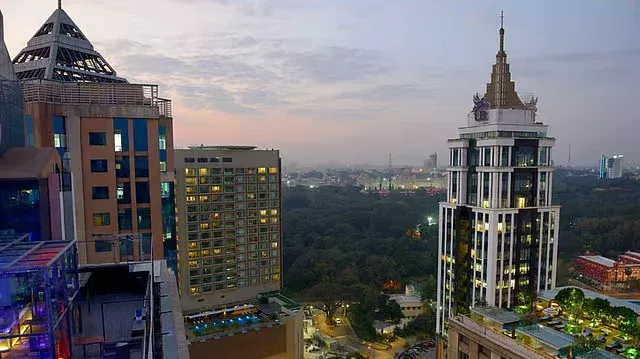
India’s largest urban housing markets recorded an unprecedented expansion in 2025, with Tier-1 housing sales reaching an estimated ₹7.3 lakh crore. The surge, spanning cities such as Delhi-NCR, Mumbai Metropolitan Region, Bengaluru and Hyderabad, signals a decisive shift in how urban households are investing in property moving beyond recovery into a structurally stronger, demand-led cycle.
This growth in Tier 1 housing sales reflects more than just rising transaction volumes. Industry analysts point to a marked increase in ticket sizes, particularly in premium and luxury segments, as urban buyers upgrade their living standards amid higher disposable incomes and evolving lifestyle needs. The trend is increasingly visible in metropolitan cores where demand for larger homes, better amenities and integrated urban infrastructure is reshaping residential supply. Data from central banking estimates suggest that over half of household wealth in India remains anchored in real estate, far exceeding allocations to equities or gold. This long-standing preference continues to influence buying behaviour, reinforcing housing as both a financial asset and a social safety net. In dense and rapidly expanding cities, ownership is still seen as a critical marker of economic security.
At a macro level, the sector’s contribution to India’s economy remains relatively modest compared to global benchmarks, indicating significant room for expansion. Urban planners note that sustained growth in Tier 1 housing sales will depend on how cities manage land use, infrastructure delivery and climate resilience. With rising urban populations, the pressure on transport systems, water resources and energy networks is expected to intensify. Regionally, the National Capital Region has emerged as the largest contributor by value, overtaking Mumbai for the first time. Strong price appreciation in key micro-markets and a surge in high-value transactions have pushed the region ahead. Meanwhile, Bengaluru’s growth continues to be underpinned by its technology-driven workforce, while Hyderabad and Pune maintain steady momentum through a mix of affordability and employment-led demand.
A notable structural shift is the growing dominance of homes priced above ₹2 crore, now accounting for a significant share of total sales. This “premiumisation” reflects both rising land costs in core urban areas and a changing buyer profile. However, it also raises concerns about affordability, pushing entry-level housing further to city peripheries where infrastructure gaps remain a challenge. Peripheral markets are increasingly absorbing demand for budget housing, but their long-term viability will hinge on public investment in connectivity and social infrastructure. Experts caution that without integrated planning, this outward shift could deepen urban inequality and increase commute-related emissions, complicating sustainability goals.
Alongside residential demand, the brokerage ecosystem has expanded rapidly, mirroring the scale of transactions and the growing complexity of buyer expectations. Digital platforms and data-driven advisory services are becoming central to how property is marketed and sold. As India’s cities continue to grow, the trajectory of Tier 1 housing sales will play a defining role in shaping urban form. The challenge ahead lies in balancing market momentum with inclusive growth, ensuring that expanding housing markets align with long-term sustainability and liveability goals.