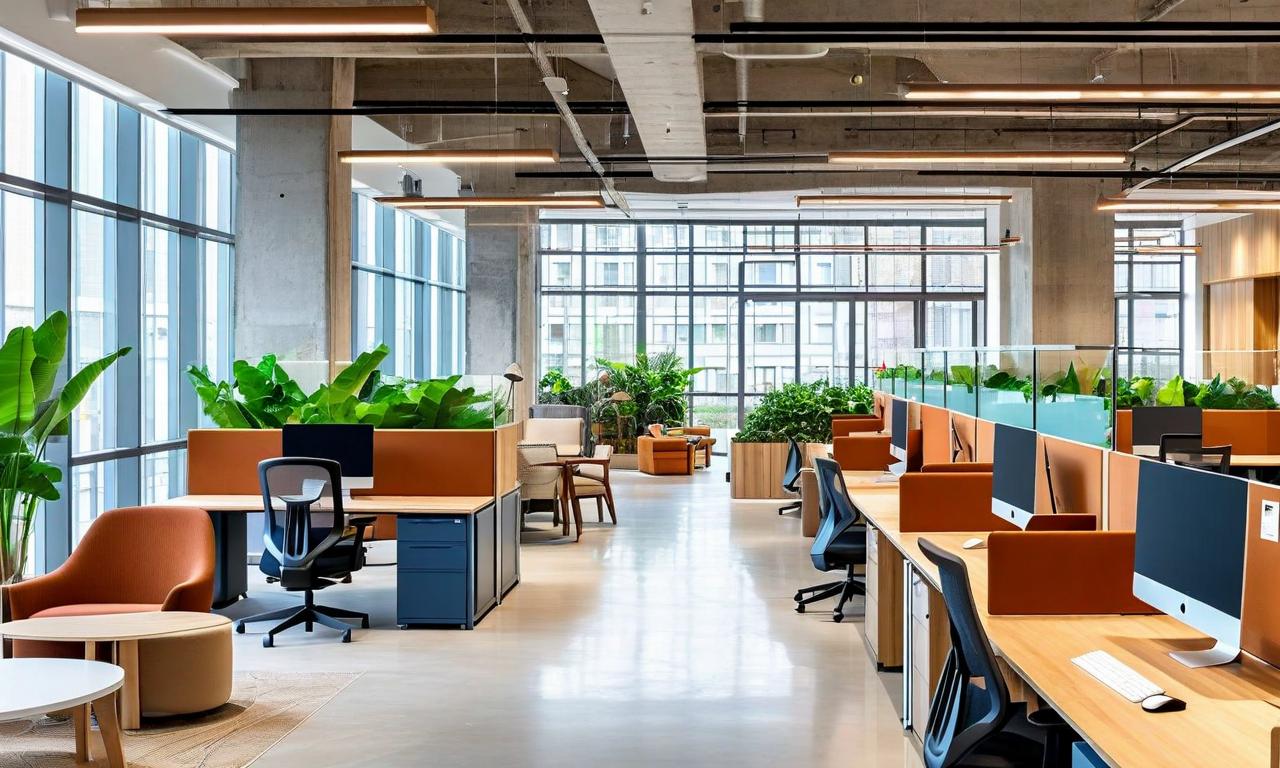
A large-format office leasing transaction in Bengaluru is reinforcing the city’s position as a preferred destination for global capability centres (GCCs), with flexible workspace operators increasingly shaping how multinational firms establish their India presence. IndiQube Spaces has secured a long-term agreement to lease 48,000 square feet of managed office space in the city to a healthcare technology firm, signalling sustained demand for agile, plug-and-play work environments.
The transaction, estimated to generate nearly ₹75 crore in rental income over five years, reflects a broader shift in how GCCs are approaching real estate. Instead of committing to conventional long-term leases with high upfront capital expenditure, companies are opting for flexible office models that allow quicker scaling and operational efficiency. Industry observers note that this approach is particularly relevant for sectors such as healthcare technology, where workforce expansion and project cycles can be unpredictable. Bengaluru’s established ecosystem spanning skilled talent, digital infrastructure, and a mature office market continues to attract such investments. However, the growing preference for managed workspaces indicates a structural transformation in the commercial real estate sector. Flexible workspace providers now act as intermediaries, leasing large properties from developers and sub-leasing them in customised formats to corporate occupiers. This reduces entry barriers for global firms while ensuring better utilisation of built space.
Urban planners suggest that the rise of GCC Office Lease activity in flexible formats could have deeper implications for city development. Distributed office models, enabled by co-working infrastructure, may ease pressure on central business districts while supporting more balanced urban growth. At the same time, they raise questions around transport planning, energy consumption, and the environmental footprint of commercial clusters. From a sustainability lens, managed office operators are increasingly expected to integrate energy-efficient systems, shared amenities, and resource optimisation into their offerings. Experts argue that such models, if aligned with green building standards, can contribute to reducing per capita carbon emissions in office environments an important consideration as cities like Bengaluru grapple with climate stress and infrastructure constraints.
The deal also underlines the resilience of India’s office market despite global economic uncertainties. GCC Office Lease demand has remained robust, driven by companies consolidating global operations in India to leverage cost advantages and talent availability. Healthcare and technology sectors, in particular, are leading this expansion. Looking ahead, the trajectory of flexible workspaces will likely depend on how operators balance rapid growth with long-term sustainability and urban integration. As more global firms enter Indian cities through such models, the emphasis may increasingly shift towards creating work environments that are not only efficient but also inclusive, accessible, and environmentally responsible.