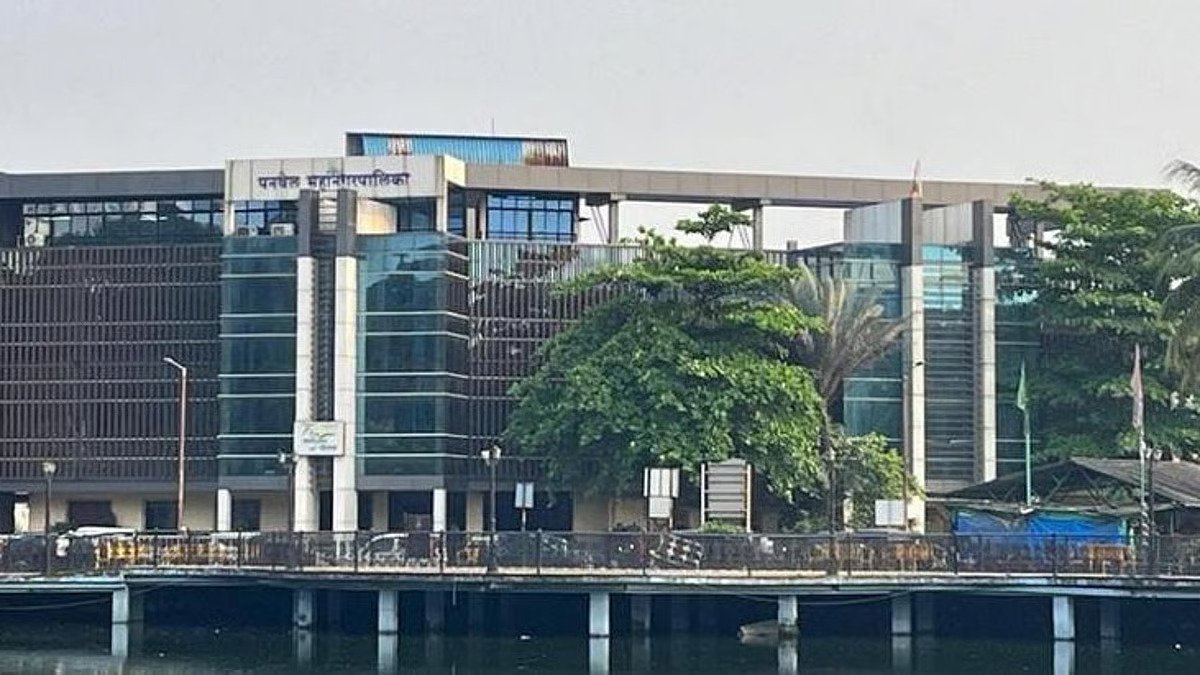
The Panvel Municipal Corporation has outlined an expansive financial plan for the upcoming fiscal year, signalling a strong push towards infrastructure expansion and essential service delivery in one of the fastest-growing urban regions within the Mumbai Metropolitan Region. With an outlay exceeding ₹4,800 crore, the budget reflects the increasing demands placed on emerging urban centres as they absorb population and economic growth.
The financial blueprint balances projected income and expenditure, indicating a tightly managed fiscal approach. Civic officials suggest that maintaining equilibrium between revenue generation and spending is critical as municipalities scale up investments without overextending their financial capacity. A substantial share of the allocation is directed towards physical infrastructure, particularly road development and maintenance. Urban planners note that improving last-mile connectivity and internal road networks is essential for supporting both residential expansion and industrial activity in peripheral growth hubs like Panvel. Alongside roads, investments in solid waste management systems highlight the increasing importance of efficient urban sanitation in rapidly densifying areas.
Water security and environmental resilience also feature prominently. Funding earmarked for dam-related infrastructure, sewage treatment, and underground drainage systems reflects a recognition of long-term resource management challenges. Experts point out that such investments are crucial for mitigating flood risks, improving water recycling, and ensuring sustainable urban growth in a region prone to seasonal rainfall extremes. Healthcare and fire services have received enhanced allocations, underlining the need to strengthen emergency response frameworks in tandem with urban expansion. Analysts suggest that as building densities rise, cities must invest not only in infrastructure but also in safety systems capable of responding to complex urban risks.
The budget also includes provisions for education, digital infrastructure, and community amenities, signalling a broader approach to urban development beyond core utilities. Investments in primary education and information technology are expected to support both social development and administrative efficiency, particularly as municipalities adopt more data-driven governance models. From an economic standpoint, the budget reflects an attempt to create enabling conditions for real estate and commercial growth while maintaining service delivery standards. Infrastructure spending is often seen as a catalyst for private investment, especially in regions experiencing spillover growth from larger metropolitan centres.
However, urban policy experts caution that execution will be key. Timely project delivery, transparency in fund utilisation, and coordination across departments will determine whether the planned investments translate into tangible improvements for residents. As Panvel continues its transition from a peripheral town to a significant urban node, the current budget positions the civic body to address both immediate service gaps and long-term sustainability challenges. The coming fiscal year will test how effectively these allocations can be converted into resilient, inclusive, and future-ready urban infrastructure.
Panvel Civic Budget Focuses On Infrastructure And Services