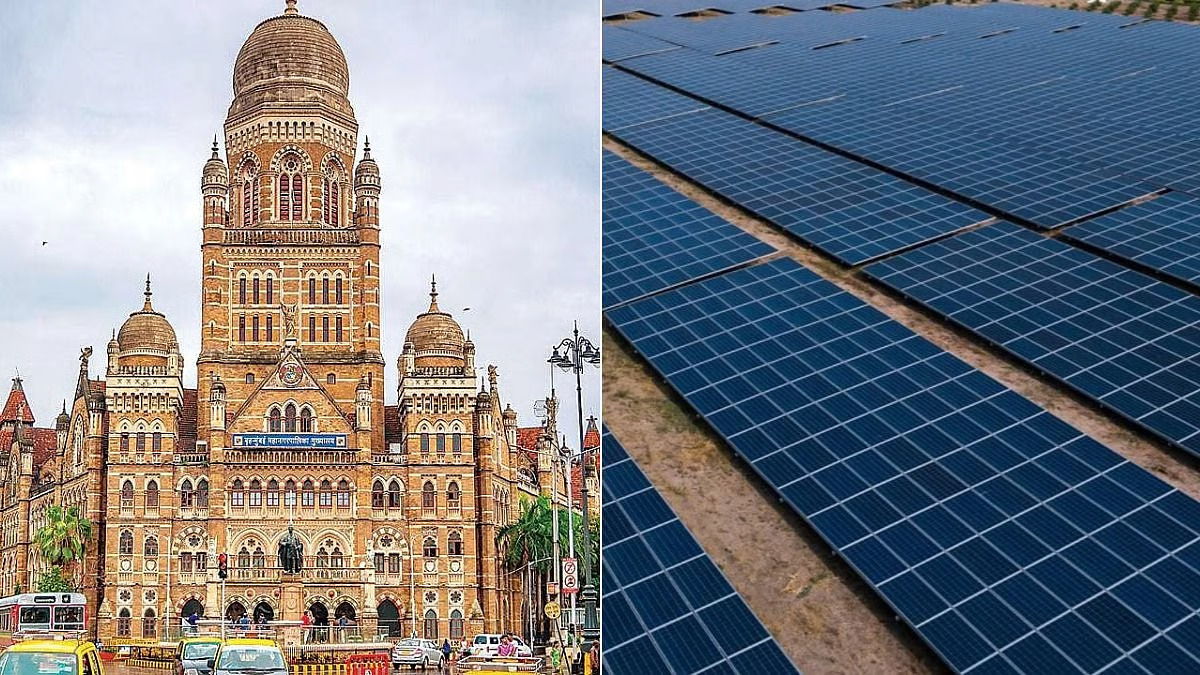
As temperatures rise across Mumbai, the Brihanmumbai Municipal Corporation is preparing to pilot a climate adaptation measure aimed at reducing heat stress within urban buildings. The initiative involves applying reflective coatings on rooftops of select municipal properties, with early implementation planned in densely built neighbourhoods such as Lower Parel and Prabhadevi.
The programme focuses on the use of “cool roof paint”—a surface treatment designed to reflect solar radiation and minimise heat absorption. By lowering the amount of heat entering buildings, officials expect indoor temperatures to drop modestly, potentially easing reliance on energy-intensive cooling systems. The approach is being tested on civic assets, including schools and residential quarters, particularly those accommodating vulnerable populations. Urban climate experts highlight that such interventions are increasingly necessary as cities confront the “urban heat island” effect, where concrete-heavy landscapes retain and amplify heat. In Mumbai, this effect is intensified by high humidity, dense construction, and limited open spaces, making thermal comfort a growing public health concern.
The pilot is being positioned as part of a broader strategy to improve climate resilience in the built environment. Officials indicate that buildings most exposed to prolonged sunlight and heat stress are being prioritised. If successful, the initiative could be expanded to other wards, offering a scalable model for passive cooling in a city where energy demand for air conditioning continues to rise. From an economic standpoint, reducing indoor heat can translate into lower electricity consumption, particularly during peak summer months. This has implications not only for household affordability but also for the city’s overall energy load. Analysts note that passive cooling solutions such as reflective roofs are among the most cost-effective ways to address rising urban temperatures without significant infrastructure overhaul.
The concept is not new to India. Cities like Ahmedabad have previously implemented cool roof programmes with measurable success, reporting improved indoor comfort levels in low-income housing clusters. Lessons from such initiatives are informing Mumbai’s approach, particularly in targeting areas where residents are most exposed to heat risks. However, experts caution that cool roofs alone cannot address the full spectrum of urban heat challenges. Complementary measures—such as increasing urban tree cover, promoting ventilated building design, and adopting heat-reflective construction materials—will be essential for long-term impact.
The pilot also raises questions around maintenance, durability, and long-term performance of reflective coatings in coastal environments, where exposure to moisture and pollution can affect material efficiency. Monitoring and data collection during the trial phase will be critical in determining scalability. As Mumbai continues to grapple with rising temperatures and climate variability, the success of such targeted interventions could shape how cities adapt their existing building stock to remain liveable, energy-efficient, and resilient in the face of intensifying heat conditions.
Mumbai BMC Tests Cool Roof Paint To Reduce Heat On Building