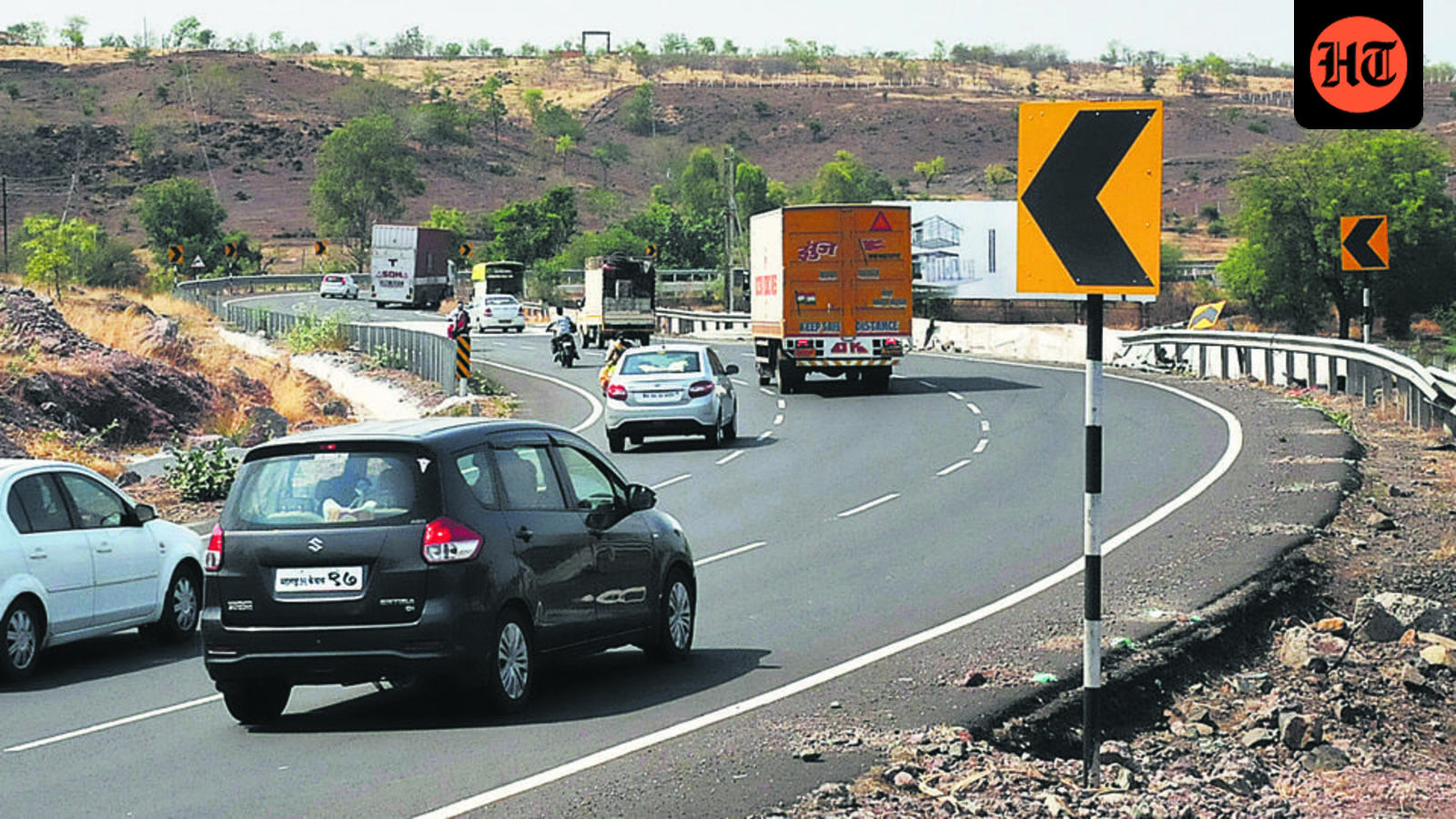
The Maharashtra State Road Development Corporation is advancing plans to develop a dedicated truck terminal along the Pune Mumbai Expressway, in a move aimed at easing congestion and improving safety on one of India’s busiest intercity corridors. The proposed facility near the Khalapur toll stretch is expected to accommodate hundreds of heavy vehicles, reflecting a shift towards more structured freight management on high-speed highways.
The initiative comes at a time when traffic volumes on the expressway have risen sharply, driven by economic activity between Mumbai and Pune. Officials indicate that the absence of designated halting infrastructure for trucks has led to unsafe roadside parking, particularly across ghat sections where visibility and manoeuvrability are limited. These conditions have contributed to periodic slowdowns and heightened accident risks. Unlike conventional parking bays, the proposed terminal is being designed as an integrated logistics facility. It is expected to include rest zones, repair services, fuelling access, and basic amenities for drivers—features that urban mobility experts say are essential for reducing fatigue-related incidents. By relocating idle trucks away from the main carriageway, authorities aim to maintain uninterrupted traffic flow for passenger vehicles while improving overall road discipline.
The development is being planned alongside a broader capacity expansion strategy for the expressway. Infrastructure planners suggest that synchronising freight management with highway widening could offer long-term efficiency gains, especially as freight movement intensifies across western India’s industrial belt. Such integration is increasingly seen as critical to building resilient transport systems that can handle both passenger and goods traffic without compromising safety. From a sustainability perspective, organised truck terminals can also support cleaner logistics practices. Experts note that reducing idle time on highways can lower fuel consumption and emissions, while centralised facilities create opportunities for future electrification infrastructure, such as charging points for heavy-duty electric vehicles.
For drivers, the project addresses long-standing concerns around the lack of safe and hygienic rest stops. Informal halts along highways often expose drivers to risks, including accidents and poor living conditions. A planned facility with surveillance and essential services is expected to enhance both safety and working conditions within the freight sector. Urban planners point out that as India’s expressway network expands, dedicated logistics infrastructure will be key to balancing growth with safety and environmental considerations. The proposed terminal signals a move towards more people-centric highway planning—where the needs of both drivers and commuters are factored into infrastructure design.
As approvals progress, the project will be closely watched for its impact on traffic behaviour and accident reduction along the corridor, potentially setting a template for similar interventions across other high-density freight routes in the country.
MSRDC Pushes Dedicated Truck Hub On Expressway