


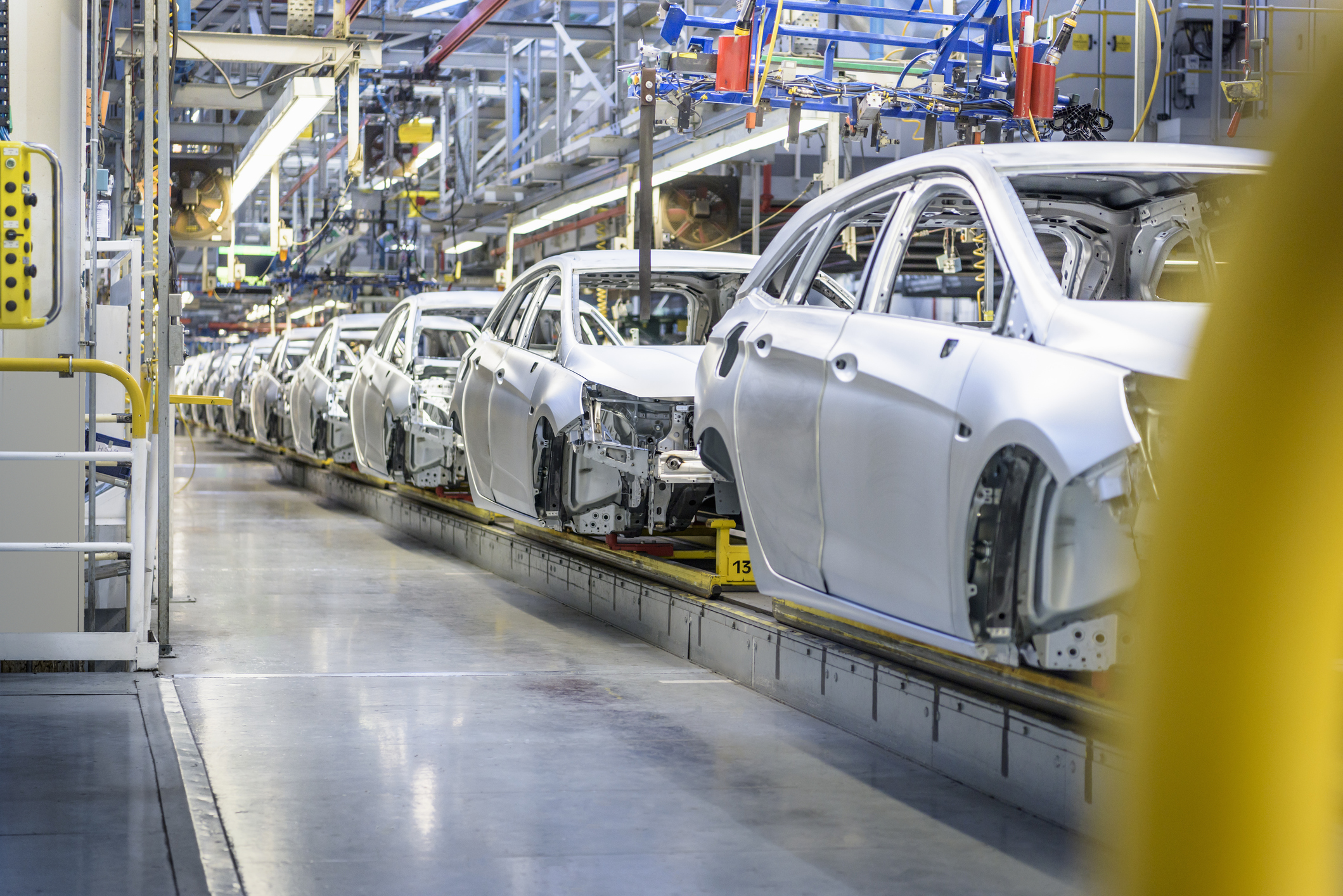
Chennai’s position as a key manufacturing hub has been reinforced with the establishment of a new electronics production facility aimed at supporting the automotive sector.
The development reflects continued investment in industrial capacity, as companies expand operations to meet evolving demand from both domestic and global markets.The new Chennai manufacturing facility is expected to produce specialised electronic components used in automotive systems, aligning with industry shifts towards greater digitisation and electrification. As vehicles increasingly incorporate advanced electronics, demand for precision components is rising, prompting manufacturers to scale up local production capabilities.Industry experts note that Chennai’s strong industrial ecosystem makes it a strategic location for such investments.The city offers proximity to major automotive clusters, port infrastructure and a skilled workforce, enabling efficient supply chain integration. The Chennai manufacturing facility is therefore likely to enhance the resilience and responsiveness of automotive production networks in the region.From an urban development perspective, industrial expansion has significant implications for infrastructure planning. Facilities of this scale require reliable power supply, water resources and transport connectivity, particularly for logistics and distribution. Urban planners emphasise that aligning industrial growth with sustainable infrastructure development is essential to ensure long-term viability.The investment also highlights broader trends within the automotive sector, where companies are adapting to technological advancements and regulatory shifts.
The transition towards electric vehicles and smart mobility solutions is driving demand for new types of components, creating opportunities for manufacturers to diversify and upgrade their production lines.Economic analysts point out that the Chennai manufacturing facility could generate employment opportunities across multiple skill levels, from engineering roles to operational support. In addition to direct jobs, the project is expected to stimulate growth in ancillary industries, including logistics, packaging and maintenance services.There are also implications for real estate and land use. Industrial projects often catalyse development in surrounding areas, leading to increased demand for worker housing and commercial services. Integrating these developments into broader urban planning frameworks can help manage growth and prevent infrastructure strain.Sustainability considerations are becoming increasingly central to industrial investments. Experts stress the importance of incorporating energy-efficient technologies, waste management systems and emission controls into new facilities. As Chennai continues to expand its industrial base, balancing economic growth with environmental responsibility will be critical.The establishment of the Chennai manufacturing facility underscores the city’s evolving role in global supply chains. By strengthening local production capabilities and supporting innovation in the automotive sector, the development contributes to Chennai’s long-term industrial growth trajectory.
Looking ahead, the focus will be on ensuring that such investments are supported by robust infrastructure, policy stability and sustainable practices. As demand for advanced manufacturing continues to grow, Chennai is likely to remain a focal point for industrial expansion and technological advancement.
Also Read:Chennai Multiplex Expansion Strengthens Urban Entertainment Infrastructure
