


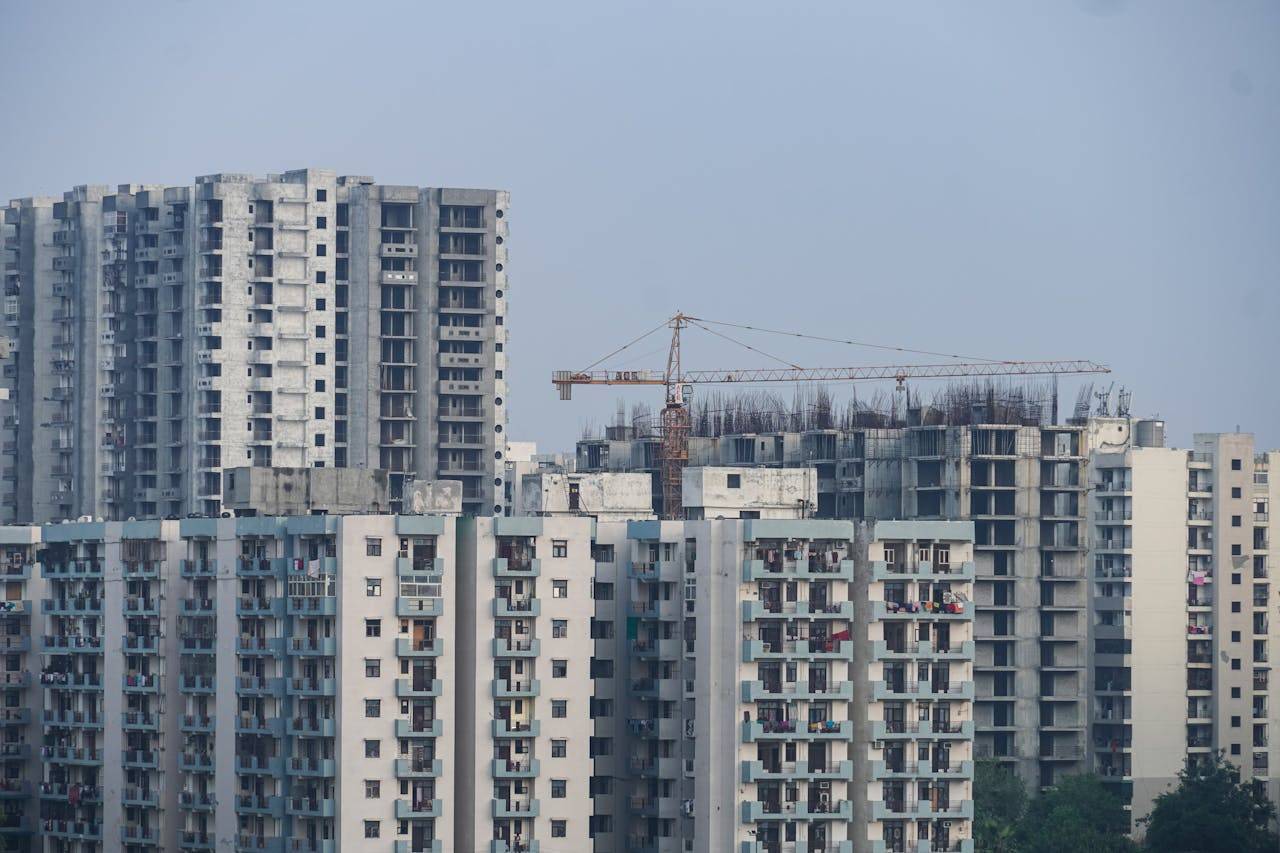
Kolkata’s residential property market recorded a marginal decline in transaction activity in February 2026, with home registrations showing a year-on-year dip.
The slowdown, though moderate, points to evolving demand dynamics and signals a phase of recalibration in the city’s real estate sector.Data indicates that the number of registered properties fell slightly compared to the same period last year, suggesting a pause in buyer momentum following previous quarters of steady activity. Market analysts note that the Kolkata home registrations trend reflects a combination of factors, including affordability concerns, interest rate movements and shifting buyer preferences.Industry experts highlight that while the decline is not indicative of a sharp downturn, it does suggest that demand may be stabilising after a period of post-pandemic recovery. In urban markets like Kolkata, housing demand is closely linked to employment trends, income growth and access to financing. Any changes in these variables can influence purchasing decisions, particularly in the mid-income segment.From a supply perspective, developers are likely to adopt a cautious approach in the near term, aligning new project launches with market absorption levels. The Kolkata home registrations data may encourage a focus on inventory management, pricing strategies and targeted offerings to sustain buyer interest.
Projects that emphasise affordability, connectivity and amenities are expected to remain more resilient.Urban planners point out that fluctuations in property registrations can also reflect broader shifts in city development patterns. As infrastructure projects such as metro expansions and road upgrades reshape accessibility, demand may move towards emerging corridors rather than traditional residential zones. This spatial redistribution of demand can influence both land values and development priorities.There are also implications for revenue generation and governance. Property registrations contribute significantly to state revenues through stamp duty and registration charges. A slowdown in transactions, even if temporary, can impact fiscal inflows, highlighting the need for balanced policies that support both buyers and developers.Sustainability considerations are becoming increasingly relevant in shaping housing demand. Buyers are showing growing interest in energy-efficient homes, better ventilation and access to green spaces.Developers who integrate these features into their projects may find stronger traction despite overall market moderation.Looking ahead, the trajectory of Kolkata home registrations will depend on macroeconomic conditions, policy measures and infrastructure developments. While the current dip suggests a period of adjustment, the city’s underlying housing demand remains supported by its population base and urban growth potential.
As Kolkata’s real estate sector navigates this phase, the focus is likely to remain on aligning supply with evolving buyer expectations, ensuring that growth remains stable, inclusive and responsive to the city’s long-term development needs.
Also Read:Kolkata Administrative Reshuffle Impacts Urban Governance Systems
