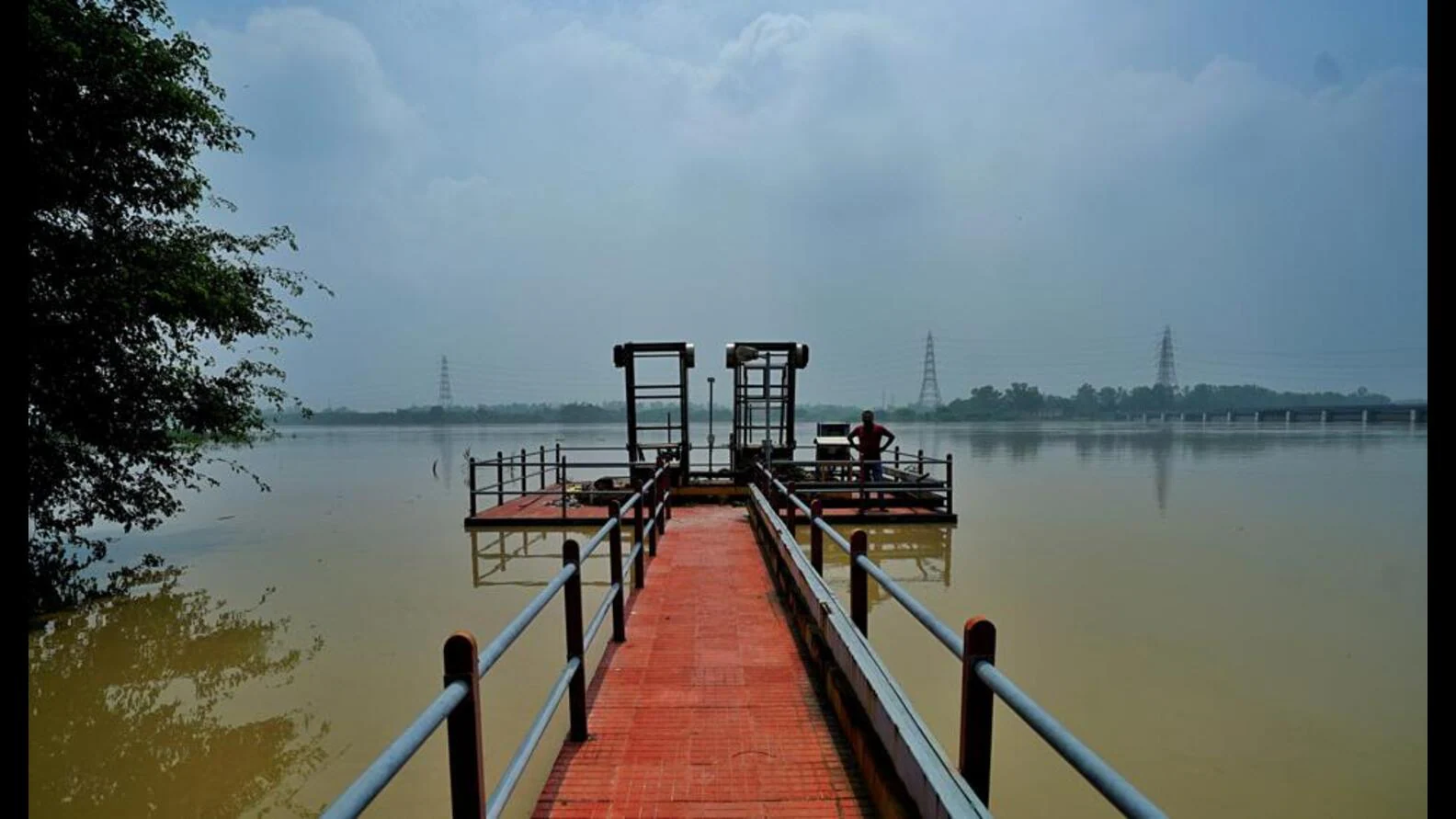
Delhi Restores Chandrawal Water Treatment Plant Supply
Water supply from a key treatment facility in the national capital has resumed after several days of disruption, offering relief to thousands of households that experienced shortages across parts of central and south Delhi. Authorities confirmed that the Chandrawal Water Treatment Plant has returned to full operational capacity following technical repairs and system stabilisation. The Chandrawal Water Treatment Plant, one of the city’s oldest water treatment facilities, had partially halted operations after a critical pipeline connected to the plant’s filtration and pump systems was damaged. The incident resulted in severe flooding around the plant’s infrastructure, forcing officials to suspend processing at one of its treatment phases and triggering supply disruptions in multiple neighbourhoods.
According to officials responsible for the city’s water utility, repairs to the damaged pipeline and associated equipment have now been completed, restoring the plant’s output to approximately 58 million gallons per day. During the disruption, emergency tanker supplies were deployed in several localities to mitigate the immediate impact of reduced water availability. Urban infrastructure specialists say the episode highlights the vulnerability of ageing civic utilities in rapidly expanding cities. Much of the equipment at the Chandrawal Water Treatment Plant dates back several decades, and officials acknowledge that sourcing replacement components has become increasingly difficult because many of the motors and electrical systems were custom-built. In recent years, moisture-related faults and mechanical wear have also led to repeated operational interruptions. The facility has experienced several outages over the past year, largely linked to ongoing maintenance and repair requirements. Experts note that while routine upgrades can extend the lifespan of legacy infrastructure, long-term reliability often depends on phased replacement with modern treatment systems.
Authorities are currently preparing to commission a new treatment unit designed to significantly increase processing capacity and reduce dependence on older equipment. Once operational, the upgraded facility is expected to enhance the resilience of the city’s drinking water supply network, particularly during periods of high seasonal demand. Urban planners emphasise that strengthening treatment capacity remains crucial for a city that depends heavily on river-based water sources and complex distribution networks. As population growth and urban development accelerate, reliable treatment infrastructure plays a central role in ensuring equitable access to safe drinking water. The restoration of operations at the Chandrawal Water Treatment Plant also comes at a time when the city is implementing broader water management reforms, including improvements to monitoring systems, distribution networks and infrastructure maintenance protocols.
For residents affected by recent supply interruptions, the return of full production at the plant is expected to gradually normalise water availability. However, experts say the episode underscores the urgency of upgrading critical utilities as part of a long-term strategy to build climate-resilient and future-ready urban infrastructure.