Delhi Transport Investment Targets Metro And EV Growth
The government in Delhi has unveiled an ambitious mobility strategy with a transport allocation of ₹8,374 crore in its FY27 budget, signalling a major push toward low-emission mobility, improved regional connectivity and expanded mass transit capacity. The investment reflects growing pressure on the capital’s transport network as population density, commuting demand and environmental concerns continue to intensify. A large share of the spending will support metro network expansion under the next phases of development led by Delhi Metro Rail Corporation. Authorities plan to accelerate work on new corridors designed to connect emerging residential zones with employment centres while reducing dependence on private vehicles. Urban mobility experts note that extending metro coverage remains central to improving travel reliability and limiting congestion on major arterial roads.
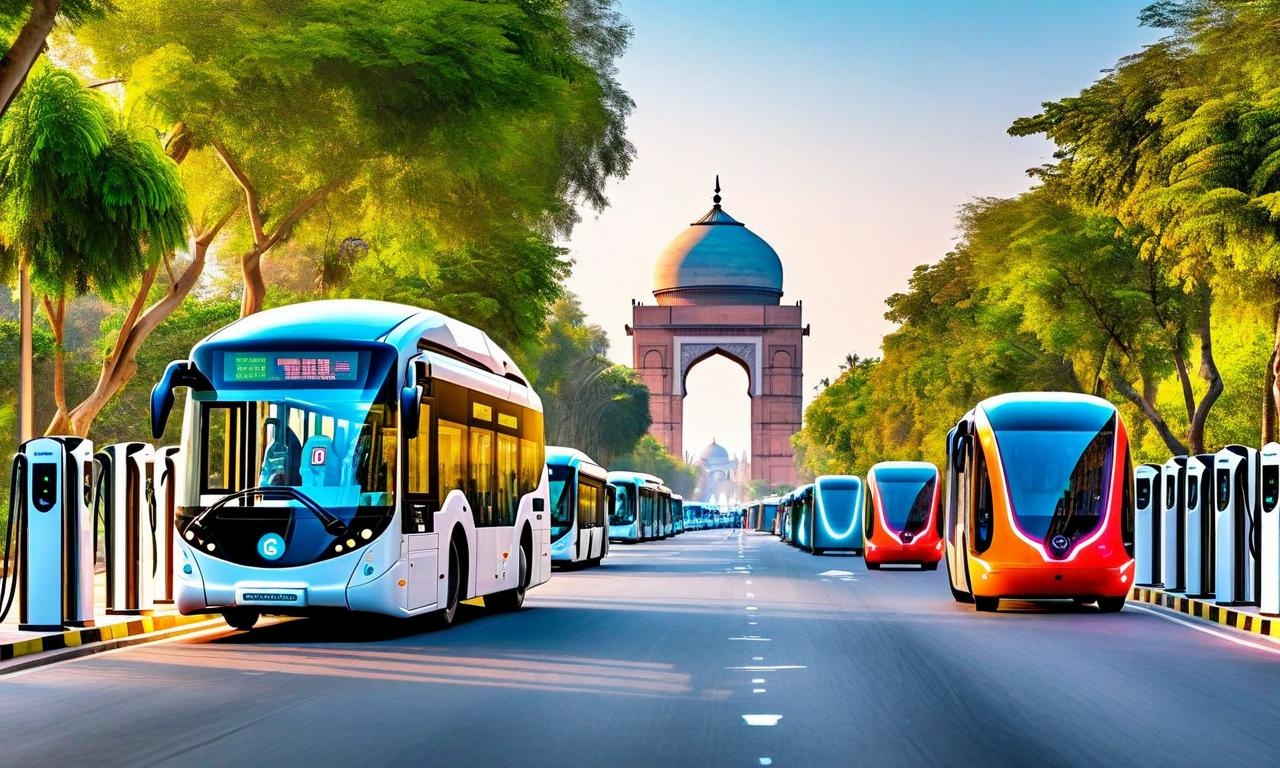
The broader transport programme also integrates regional connectivity through the Regional Rapid Transit System, which aims to link Delhi with neighbouring urban centres across the National Capital Region. Dedicated funding has been earmarked for high-speed commuter corridors expected to significantly shorten travel times between Delhi and nearby industrial and residential hubs. Officials suggest that these rail-based systems could shift a large share of daily intercity travel away from highways. Alongside rail infrastructure, the budget highlights an aggressive transition toward cleaner bus transport under the evolving electric mobility framework. The government intends to scale up the city’s electric bus fleet over the coming years, reflecting the priorities set out in the Delhi Electric Vehicle Policy. By the end of the current fiscal cycle, thousands of battery-powered buses are expected to operate across the city’s public transport network, gradually replacing diesel-powered vehicles. Transport analysts say this transition could produce significant environmental benefits. Road traffic remains one of the largest contributors to urban air pollution in the capital, and electrifying public bus systems offers a practical pathway to reduce emissions while maintaining high passenger capacity.
Officials are also expanding charging infrastructure and encouraging the adoption of electric two-wheelers, auto-rickshaws and taxis as part of a broader mobility ecosystem. Infrastructure upgrades extend beyond vehicles and rail corridors. Funding has been earmarked for the creation of new automated vehicle testing facilities designed to modernise compliance systems for commercial transport. These centres will help monitor vehicle safety and emissions more efficiently, an increasingly important function as the city seeks to improve environmental performance across its transport sector. Urban planners argue that combining mass transit expansion with electrification and improved vehicle regulation represents a more integrated approach to mobility planning. Such strategies not only reduce pollution but also strengthen the economic efficiency of cities by improving commute reliability and access to jobs.
As the transport programme moves into implementation, the effectiveness of Delhi transport investment will depend on timely project delivery and coordination among agencies managing rail, road and clean energy infrastructure. If executed effectively, the investment could reshape the capital’s mobility landscape while reinforcing its long-term transition toward a cleaner and more resilient urban transport system.