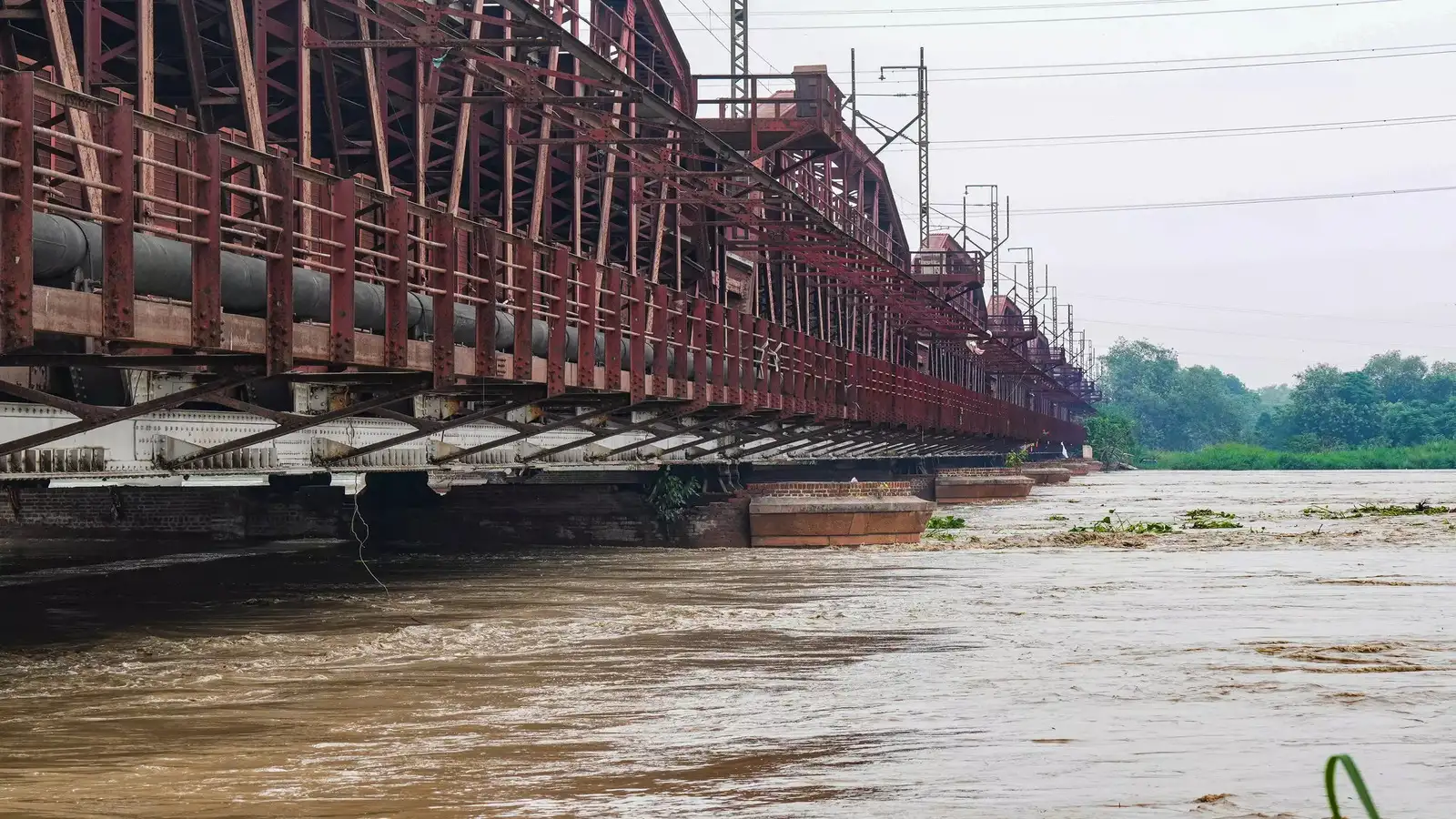
Delhi Yamuna River Restoration Projects Under Pressure
Authorities overseeing environmental management in Delhi have intensified efforts to fast-track long-pending projects linked to the Yamuna clean up, as concerns grow over delays affecting one of the capital’s most critical river restoration programmes. Senior officials have directed multiple agencies to accelerate implementation and adhere strictly to project timelines, signalling renewed urgency in addressing pollution levels in the river that flows through the national capital. The push follows a high-level review of ongoing interventions related to the Yamuna clean up, where administrative bottlenecks, land constraints and coordination challenges between departments were identified as key factors slowing progress. Officials overseeing the programme indicated that future monitoring will place greater emphasis on measurable outcomes rather than procedural milestones, with departments expected to deliver visible environmental improvements within defined timelines.
One of the major proposals under discussion involves increasing the river’s environmental flow, commonly known as e-flow, by drawing additional water from upstream sources. Preliminary plans include the development of new pipelines capable of carrying substantial volumes of water from neighbouring regions. Experts believe such interventions could help dilute pollutants and restore the ecological balance of the river, particularly during dry seasons when flow levels decline sharply. Parallel discussions have also focused on long-term infrastructure projects designed to stabilise water availability across the basin. Large dam initiatives intended to regulate flows and improve water storage capacity were reviewed during the meeting, though progress has slowed due to administrative approvals and coordination among multiple states sharing the river system. Officials indicated that financial assessments and intergovernmental consultations are underway to resolve outstanding issues. Another major component of the Yamuna clean up strategy involves expanding the city’s sewage treatment infrastructure. Civic agencies have reported progress in boosting treatment capacity over the past few years, while additional upgrades are being planned to meet stricter environmental discharge standards.
Several treatment facilities are currently undergoing modernisation to ensure they can process wastewater more effectively before it enters the river. Authorities are also working on a network of decentralised treatment plants intended to capture sewage flows closer to residential clusters and commercial areas. These smaller installations are expected to complement larger facilities and help prevent untreated waste from entering drainage channels that eventually discharge into the river. However, tendering delays and contractor withdrawals have slowed the rollout of some projects. Pollution entering the capital from upstream states remains another challenge. To address this, a joint technical committee has been formed to assess drainage flows entering the river system and explore engineering solutions, including potential diversion structures that could redirect stormwater and wastewater away from critical sections of the river.
Environmental planners note that restoring the river will require coordinated action across water management, wastewater treatment and urban planning. While recent directives signal stronger administrative oversight, the success of the Yamuna clean up will depend on consistent implementation, inter-state cooperation and sustained investment in modern urban infrastructure designed to protect river ecosystems.