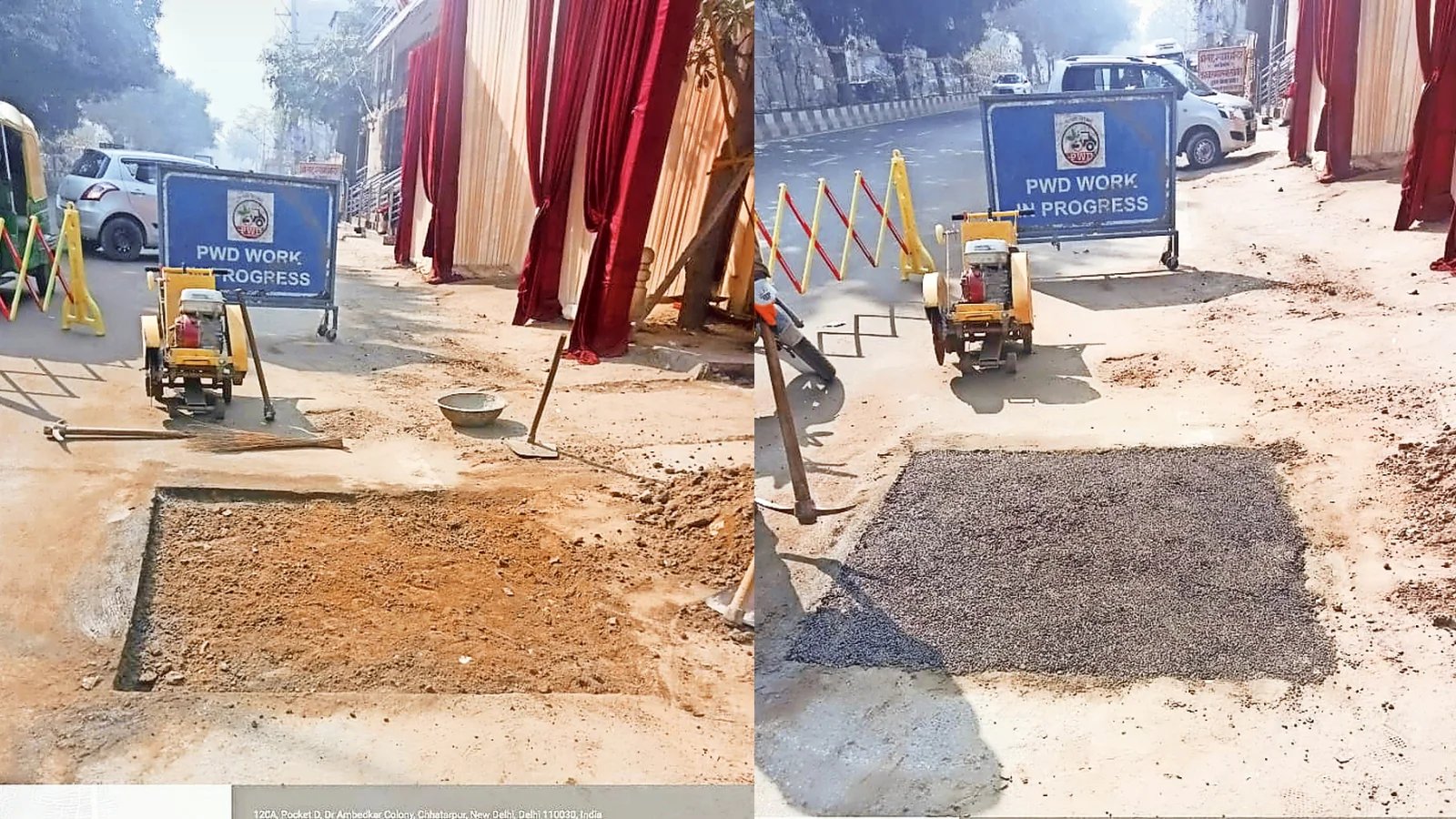
A citywide road strengthening programme is set to reshape commuting conditions in Delhi, as authorities prepare to roll out a ₹626 crore infrastructure upgrade targeting some of the capital’s most stressed corridors. The initiative reflects a broader push to improve urban mobility resilience, reduce recurring maintenance costs, and align road infrastructure with the demands of a rapidly expanding metropolitan economy. Officials indicate that the proposed works will be distributed across east, south and north zones, with the southern districts receiving the largest share of investment. The plan prioritises high-traffic corridors where surface deterioration, potholes and repeated patchwork repairs have disrupted daily travel and increased vehicle operating costs. By focusing on structural strengthening rather than short-term fixes, the programme aims to extend pavement life cycles and reduce long-term public expenditure.
In South Delhi, the selected stretches include key arterial and sub-arterial routes that connect residential neighbourhoods with employment hubs and peri-urban zones. These roads often carry mixed traffic, including freight movement, which accelerates wear and tear. Urban planners note that strengthening such links can ease congestion spillovers onto smaller streets, improving neighbourhood liveability and pedestrian safety. Northern and eastern parts of the city are also expected to benefit from the Delhi road upgrades, particularly along connector routes linking major ring roads, flyovers and densely populated residential pockets. In East Delhi, corridors around high-density housing clusters and transit interchanges are being prioritised, where road quality directly affects access to jobs, schools and public transport. A notable feature of the programme is the use of data-driven assessment methods. Authorities plan to deploy specialised survey vehicles to evaluate pavement conditions, mapping cracks, rutting and structural weaknesses before finalising engineering interventions. This approach marks a shift towards evidence-based infrastructure planning, which urban infrastructure experts say is critical for improving asset management in large cities.
Beyond immediate commuter relief, the Delhi road upgrades carry wider implications for sustainability and economic efficiency. Poor road conditions contribute to higher fuel consumption, increased emissions and longer travel times. Strengthened and smoother corridors can reduce these inefficiencies, supporting the city’s broader climate and air quality goals while improving logistics reliability for businesses. The programme also signals a gradual move towards more durable and climate-resilient urban infrastructure. With rising temperatures and erratic rainfall patterns placing additional stress on road surfaces, investments in improved materials and drainage integration are becoming essential. Officials suggest that future phases may incorporate such resilience measures more systematically.
As tenders move forward and implementation timelines firm up, the effectiveness of the Delhi road upgrades will depend on execution quality and coordination across agencies. If delivered as planned, the initiative could set a template for other Indian cities seeking to transition from reactive repairs to long-term, performance-oriented road management systems.