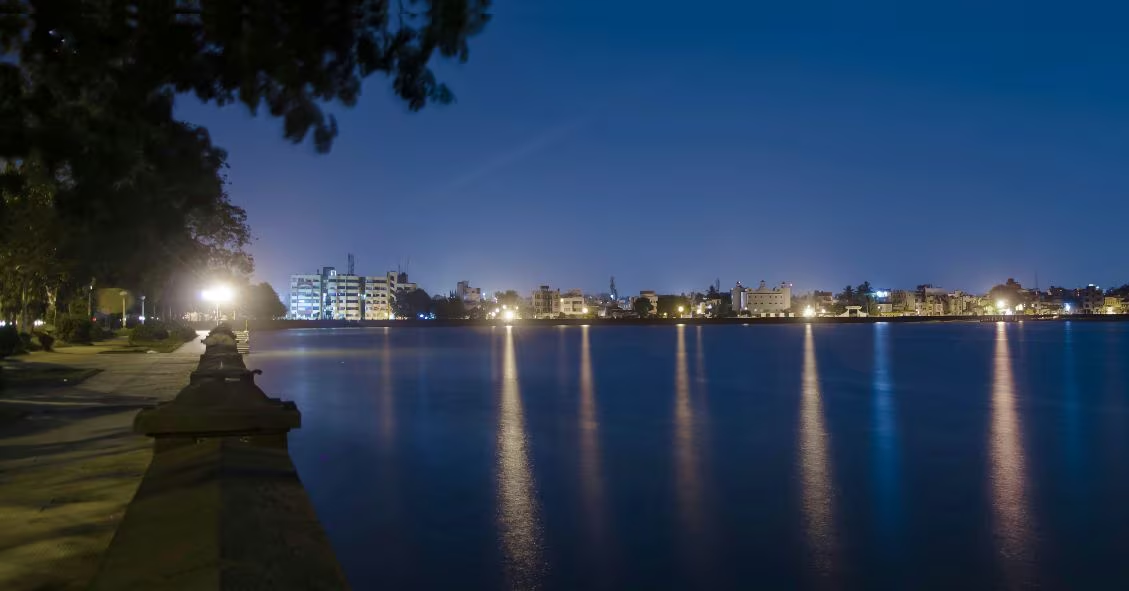
Indore Warm Night Temperatures Signal Early Summer Shift
Indore residents experienced an unusually warm night this week as temperatures remained elevated well after sunset, signalling the early arrival of pre-summer heat across central India. Meteorological data showed the city’s minimum temperature rising to around 22°C, several degrees higher than the seasonal average, creating uncomfortable nighttime conditions and raising concerns about urban heat exposure as the region heads toward peak summer.Weather officials expect a short-lived shift in conditions beginning this week, with light rainfall, cloud cover and gusty winds forecast across Indore and surrounding districts. These changes could temporarily ease nighttime temperatures and bring brief relief to residents already adjusting to rising heat levels.
The Indore weather pattern reflects a broader seasonal transition typically seen in late March, when northern and central India begin moving from winter stability toward hotter, drier conditions. Daytime temperatures in the city have already approached the mid-30s Celsius, and humidity levels have fluctuated, contributing to warmer nights and reduced cooling after sunset. Urban planners and climate researchers say such patterns are increasingly significant for rapidly expanding cities. Warm nights are often associated with the urban heat island effect, where dense construction, asphalt surfaces and limited tree cover trap heat accumulated during the day. This can keep temperatures elevated overnight, reducing the natural cooling cycle that residents rely on during hotter months.For Indore—a city with a population exceeding four million and expanding suburbs—the implications extend beyond comfort. Higher nighttime temperatures can increase electricity demand as households depend more on cooling systems. Energy use for air conditioning and refrigeration often rises sharply during these warm periods, placing pressure on urban infrastructure.
Short bursts of rainfall, such as the one forecast this week, can provide temporary cooling by reducing dust levels and lowering ambient temperatures. However, meteorologists caution that such systems usually offer only brief relief before the return of stronger summer heat across the Malwa region. Environmental experts argue that the Indore weather trend highlights the growing importance of climate-sensitive urban planning. Measures such as expanding tree cover, preserving urban lakes, and promoting reflective building materials can help cities reduce heat retention and improve resilience against rising temperatures.In recent years, Indore has been recognised nationally for its improvements in sanitation and urban management. Yet climate resilience—particularly heat management—has emerged as a new frontier for Indian cities experiencing rapid urban growth.
As April approaches, meteorological forecasts indicate that daytime temperatures across central India will continue to rise steadily. For residents of Indore, the anticipated rain showers may provide only a brief respite before the city enters its hottest months.Urban experts say the coming weeks will test how well fast-growing Indian cities can balance development with climate-responsive planning—especially as warmer nights become a more frequent feature of the Indore weather cycle.