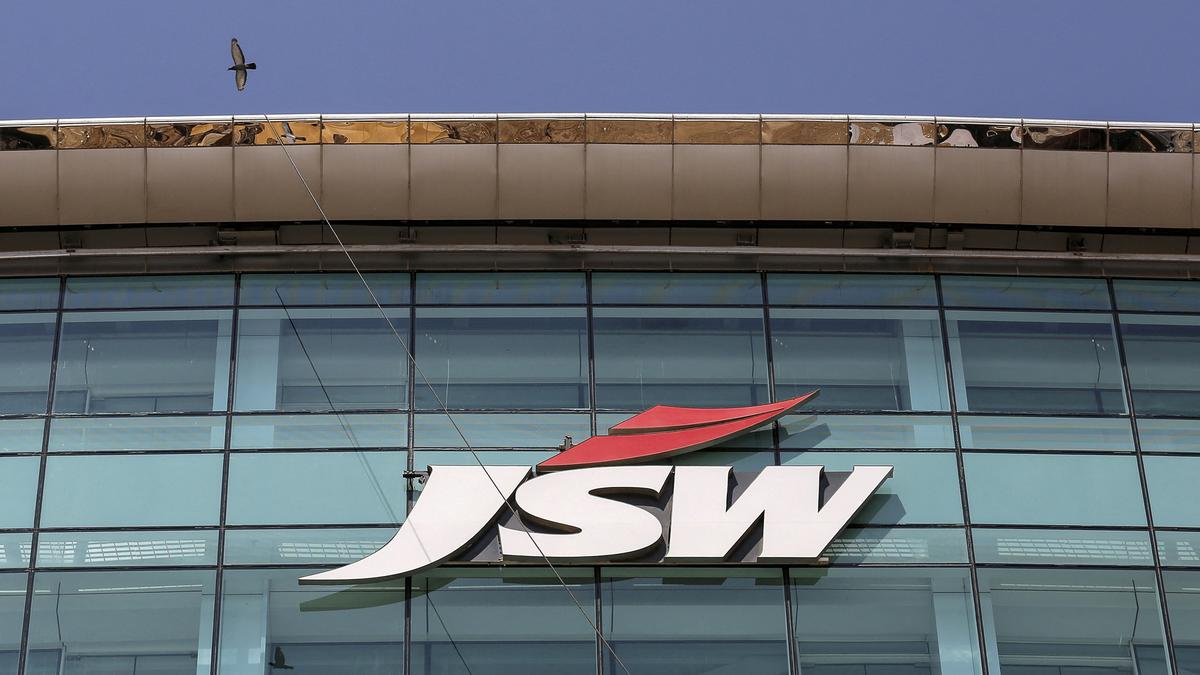
India’s steel sector is witnessing a deepening of international industrial partnerships, with JSW Steel and JFE Steel Corporation advancing a joint investment in Odisha to expand domestic manufacturing capacity.The Japanese firm has committed ₹7,875 crore for a 25% stake in JSW Kalinga Steel, marking the first phase of a long-term collaboration that is expected to evolve into an equal partnership. The project is centred in eastern India, a region increasingly emerging as a hub for heavy industry due to its access to raw materials and port connectivity.
This move reinforces the JSW Steel JFE investment India trend, where global expertise is being integrated into India’s manufacturing ecosystem to meet rising infrastructure demand. As urbanisation accelerates and large-scale construction projects expand, steel consumption is expected to remain a key driver of industrial growth.Odisha’s strategic positioning plays a critical role in this development. Its proximity to mineral reserves and coastal logistics infrastructure reduces transportation costs and enhances supply chain efficiency—key advantages for energy- and resource-intensive industries like steel.From an urban development perspective, the implications extend beyond production capacity. Large industrial investments typically act as catalysts for regional transformation, spurring the growth of ancillary industries, logistics networks, and worker housing. Over time, such developments contribute to the formation of industrial corridors and new urban clusters.The JSW Steel JFE investment India initiative also reflects a broader shift in the sector towards technology collaboration. Partnerships with global players enable access to advanced manufacturing processes, improved efficiency, and higher-grade steel production—factors that are increasingly important as India upgrades its infrastructure quality.
Importantly, the collaboration aligns with the country’s push for self-reliance in core sectors. Expanding domestic steel capacity reduces dependence on imports while ensuring a stable supply for infrastructure, housing, and industrial projects. This becomes particularly relevant as India scales up investments in transport, energy, and urban development.At the same time, sustainability considerations are gaining prominence. Modern steel plants are expected to incorporate cleaner technologies and more efficient resource use, in line with global efforts to reduce carbon emissions. Industry observers note that international partnerships can accelerate the adoption of such practices in India.Execution, however, will be critical. Large-scale projects require coordinated planning across land, infrastructure, environmental approvals, and workforce development. Ensuring that these elements align will determine how quickly the project translates into operational capacity.
Looking ahead, the JSW Steel JFE investment India partnership signals a broader evolution in India’s industrial strategy—one that combines domestic demand with global collaboration.As cities expand and infrastructure needs grow, such investments will play a central role in shaping not just industrial output, but also the urban ecosystems that depend on reliable, scalable, and sustainable steel production.