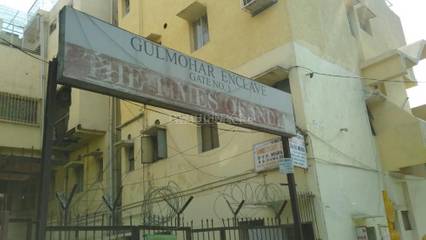
A fresh land acquisition in Gulmohar Park signals intensifying investor interest in South Delhi’s luxury housing segment, as redevelopment-led projects reshape some of the capital’s most established neighbourhoods. The move underscores a growing shift towards high-value, low-density residential formats that promise strong financial returns while altering the urban fabric of older colonies.
Industry estimates suggest the planned project could generate revenues of around ₹100 crore, reflecting sustained demand for premium independent homes among affluent buyers. This demand is being fuelled not just by lifestyle aspirations, but also by policy changes that allow more efficient land use through revised Floor Area Ratio (FAR) norms. These changes have made redevelopment financially viable for both landowners and investors. Across South Delhi, luxury housing has emerged as a distinct asset class within India’s broader property market. Established colonies, once characterised by ageing low-rise homes, are witnessing a transition towards modern, multi-level residences with enhanced amenities, improved design standards, and higher energy efficiency potential. Urban planners note that this trend is gradually unlocking land value in built-up areas without expanding the city’s footprint.
The rise of South Delhi luxury housing also reflects changing preferences among high-net-worth households, many of whom are prioritising location, privacy, and infrastructure access over large gated developments on the city’s outskirts. Proximity to employment hubs, social infrastructure, and green spaces continues to give these neighbourhoods a competitive edge. However, the rapid expansion of this segment raises important urban questions. Redevelopment projects, while economically attractive, often place additional pressure on local infrastructure such as water supply, waste management, and traffic systems. Experts argue that aligning such high-end growth with sustainable planning frameworks will be critical to ensure long-term liveability. Financially, the segment offers attractive returns, with developers targeting high internal rates of return through relatively shorter project cycles.
Yet, reliance on development partners and execution capabilities remains a key risk. Market observers caution that any delays, cost escalations, or liquidity issues could impact delivery timelines and investor outcomes.There are also early signs that price growth in the luxury segment may moderate over the next few years. While South Delhi luxury housing has seen significant appreciation recently, some analysts expect demand to stabilise as affordability thresholds are tested and macroeconomic conditions evolve. From a regulatory perspective, evolving guidelines around urban development, building norms, and environmental compliance will continue to shape project viability. For cities like Delhi, the challenge lies in balancing redevelopment-driven growth with sustainability goals, ensuring that premium housing expansion does not come at the cost of inclusivity or ecological resilience. As redevelopment gathers pace, South Delhi stands at a crossroads where market ambition, regulatory oversight, and urban sustainability must converge to define the next phase of the city’s housing evolution.