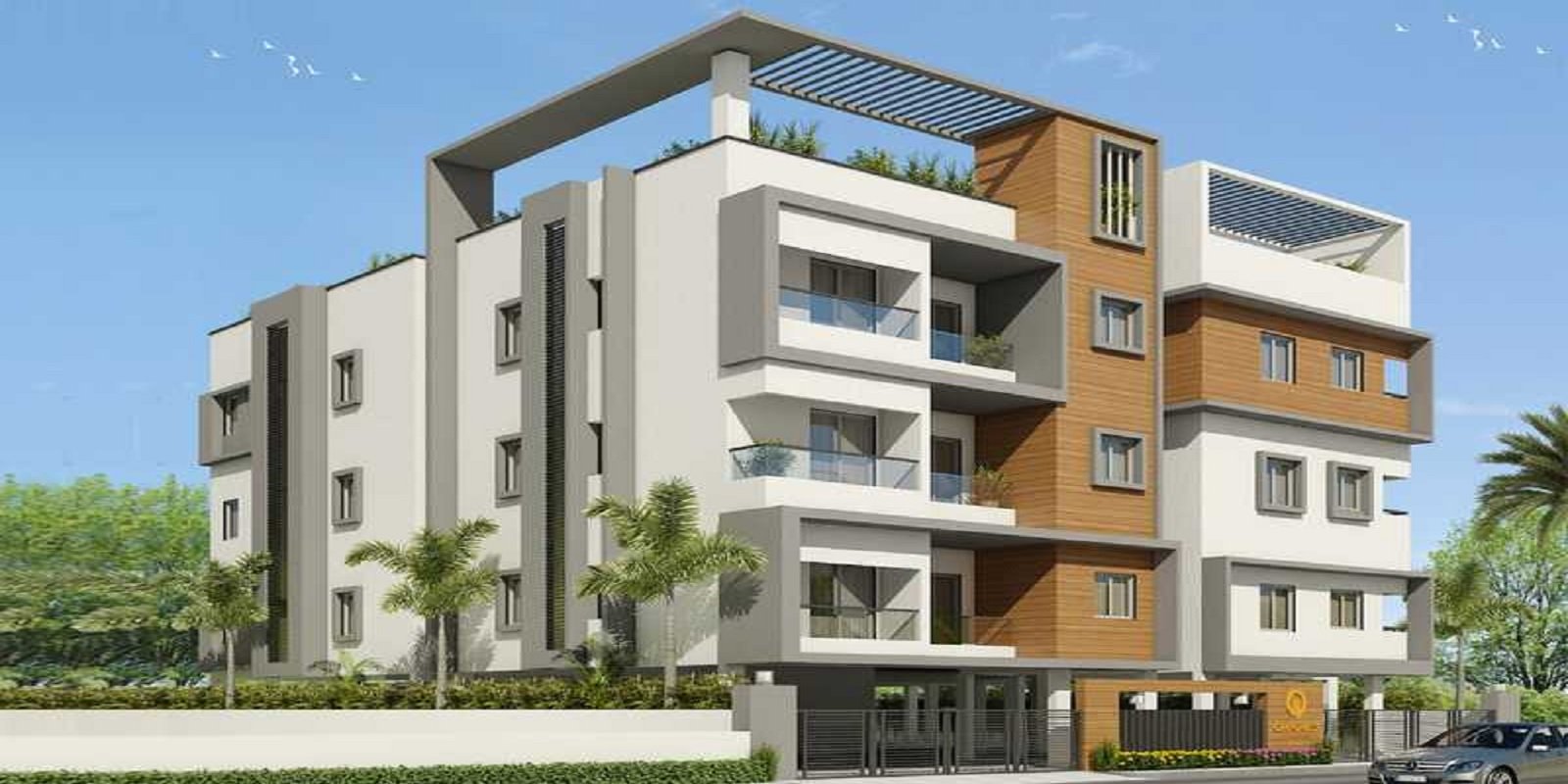
A large land aggregation in Chennai’s Padi locality is set to reshape the city’s northern residential landscape, as developers move to unlock a high-value housing project with an estimated revenue potential of ₹5,000 crore. The development reflects sustained confidence in Chennai’s housing market, where infrastructure upgrades and stable pricing continue to attract long-term investment.
The 16.3-acre site, acquired through a joint venture between Prestige Estates Projects Ltd and Arihant Foundations and Housing Ltd, is planned as a premium residential community with a saleable area of approximately 3.6 million sq ft. The project will be executed via a special purpose entity, signalling a structured approach to capital deployment and risk-sharing in large-scale urban developments. Industry observers note that such collaborations are becoming more common in land-constrained metro markets, where project scale and upfront investment requirements are significant. Joint ventures allow developers to pool expertise while accelerating project timelines in competitive urban corridors.Located in Padi, the site sits within a mixed-use zone that combines industrial legacy with growing residential demand. Its proximity to employment hubs and arterial road networks has made it an emerging node for mid- to premium housing.
Urban planners highlight that redevelopment and densification in such areas can help reduce pressure on peripheral expansion, provided infrastructure keeps pace. The Chennai residential market has remained relatively steady compared to more volatile metropolitan regions, supported largely by end-user demand rather than speculative activity. This stability has encouraged developers to focus on integrated housing formats projects that combine open spaces, shared amenities, and access to public transport aligning with evolving buyer preferences.However, experts caution that projects of this scale must address broader urban challenges. Water security, mobility planning, and climate resilience are increasingly central to project viability in coastal cities like Chennai. Sustainable construction practices, efficient land use, and resilient infrastructure will be critical in ensuring that such developments contribute positively to the city’s long-term growth.
The Chennai housing market also reflects shifting consumer expectations, with buyers prioritising larger living spaces, improved ventilation, and community-centric design. Developers are responding by rethinking layouts and incorporating features that align with post-pandemic living patterns. As large land parcels within city limits become scarce, acquisitions like this underline a strategic shift towards maximising value within established urban zones. For Chennai, this could mean more compact, better-connected neighbourhoods that balance growth with liveability if backed by coordinated urban planning and infrastructure investment.