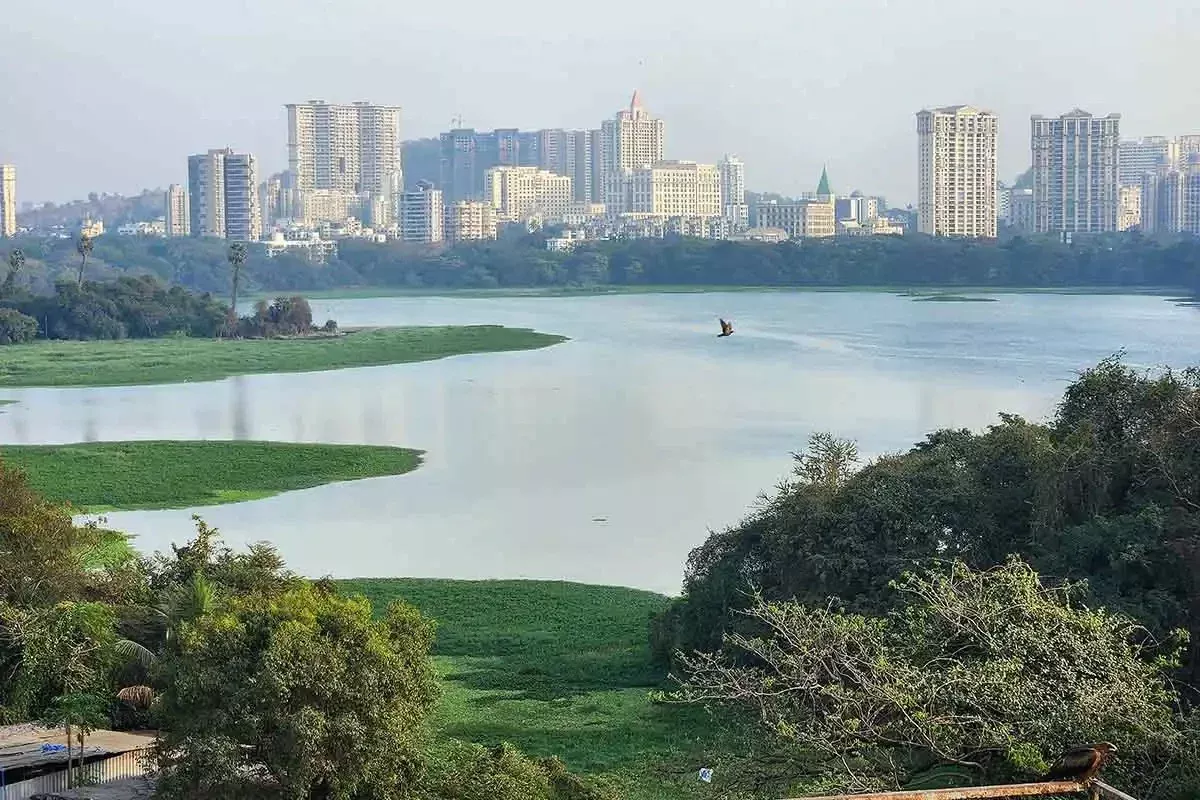
A large-format hospitality and convention development is set to take shape in Powai, Mumbai, as a domestic real estate group partners with a global hotel operator to build a dual-branded hotel complex integrated with event infrastructure. The project, expected to open in 2026, reflects growing investor confidence in the Mumbai MICE market, as cities compete to capture high-value business travel and large-scale events.
Planned with roughly 300 rooms alongside multiple meeting venues and flexible event spaces, the development is designed to serve both corporate travellers and conference organisers within a single precinct. Urban planners note that such integrated formats are becoming critical in dense metropolitan areas, where land constraints and rising demand require efficient, multi-use hospitality infrastructure. The timing aligns with a broader national push to position India as a global meetings and conventions destination. Government-backed initiatives and the emergence of city-level convention promotion bodies have helped formalise the sector, while improvements in aviation connectivity and digital infrastructure are widening access to business travel. Industry estimates suggest the Mumbai MICE market could see sustained expansion over the next decade, driven by corporate demand and international event migration.
Mumbai’s role as a financial and commercial hub gives it a natural advantage, but capacity constraints have historically limited its ability to host large conventions at scale. Developments in emerging districts such as Powai are therefore seen as strategic, decentralising business activity while easing pressure on traditional commercial zones. Experts point out that such nodes can also support more balanced urban growth, reducing commute burdens and enabling mixed-use ecosystems. At the same time, the hospitality sector is undergoing a period of accelerated supply growth. Analysts tracking hotel pipelines indicate a sharp rise in new room inventory, particularly in the premium and luxury segments. While demand remains robust largely supported by domestic travel there are concerns about potential oversupply in certain micro-markets. This could lead to tighter pricing power and increased competition among operators. Operational challenges also persist. Industry stakeholders highlight workforce shortages and retention issues as a structural concern, especially as service expectations rise in high-end hospitality formats.
Additionally, long-term project viability will depend on sustainable design, efficient energy use, and climate-responsive construction factors increasingly shaping investment decisions in urban real estate.For Mumbai, projects of this scale signal a transition towards more globally aligned business infrastructure. However, urban experts caution that the success of the Mumbai MICE market will depend not just on new builds, but on coordinated transport planning, environmental compliance, and inclusive urban integration. As construction progresses, attention will likely turn to how such developments balance commercial ambition with long-term urban resilience, ensuring that growth in business tourism contributes meaningfully to the city’s economic and spatial sustainability.