Mumbai Sea Facing Homes Signal Premium Realty Shift
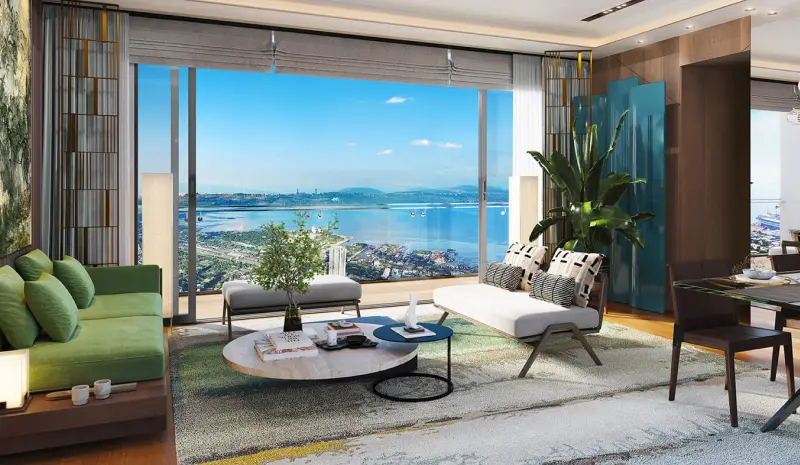
A premium sea-facing residence in Worli, Mumbai, valued at roughly ₹30 crore, is drawing attention for what it represents beyond celebrity ownership the continued rise of vertical luxury housing in India’s most land-constrained city. Located within a high-rise tower in South Mumbai, the apartment underscores how elite real estate is increasingly defined by elevation, views, and integrated amenities rather than just location.
Spread across approximately 6,000 square feet, the residence sits on an upper floor of a multi-storey development, offering uninterrupted views of the Arabian Sea. Such configurations have become a defining feature of the Mumbai luxury housing segment, where developers are leveraging height and design to offset land scarcity and justify premium pricing. Industry estimates suggest that properties in this micro-market command between ₹60,000 and ₹1,00,000 per square foot, with values continuing to appreciate amid limited supply. The Mumbai luxury housing segment has seen sustained demand from high-net-worth individuals, corporate executives, and public figures, driven by a combination of lifestyle aspirations and investment considerations. Real estate analysts note that Worli, in particular, has emerged as a key node due to its connectivity via the Bandra-Worli Sea Link and proximity to commercial hubs such as Lower Parel and Nariman Point.
Inside such residences, design priorities are shifting towards multifunctional spaces. Large living areas with natural light, private entertainment zones, and dedicated workspaces reflect post-pandemic lifestyle changes, where homes double as workplaces and leisure environments. Balconies, once considered ancillary, are now central to design especially in sea-facing apartments offering both environmental value through ventilation and psychological benefits linked to open views. Urban planners point out that while Mumbai luxury housing continues to push architectural boundaries, it also raises broader questions about equitable urban development. High-rise luxury projects often come with extensive amenities such as private gyms, wellness centres, and enhanced security systems, creating self-contained vertical communities. However, this model contrasts sharply with the city’s ongoing challenges around affordable housing, infrastructure strain, and climate vulnerability.
From a sustainability lens, tall residential towers in coastal zones must increasingly respond to environmental risks such as flooding, rising sea levels, and heat stress. Experts emphasise the need for climate-resilient construction practices, including energy-efficient façades, water recycling systems, and disaster-ready infrastructure, particularly in premium developments that set benchmarks for the wider market. The prominence of such high-value homes also reflects Mumbai’s evolving identity from a horizontally expanding city to one that is redefining its skyline through vertical growth. As land availability tightens and demand for premium housing persists, the trajectory of Mumbai luxury housing will likely shape not just real estate markets but also urban planning priorities in the years ahead.