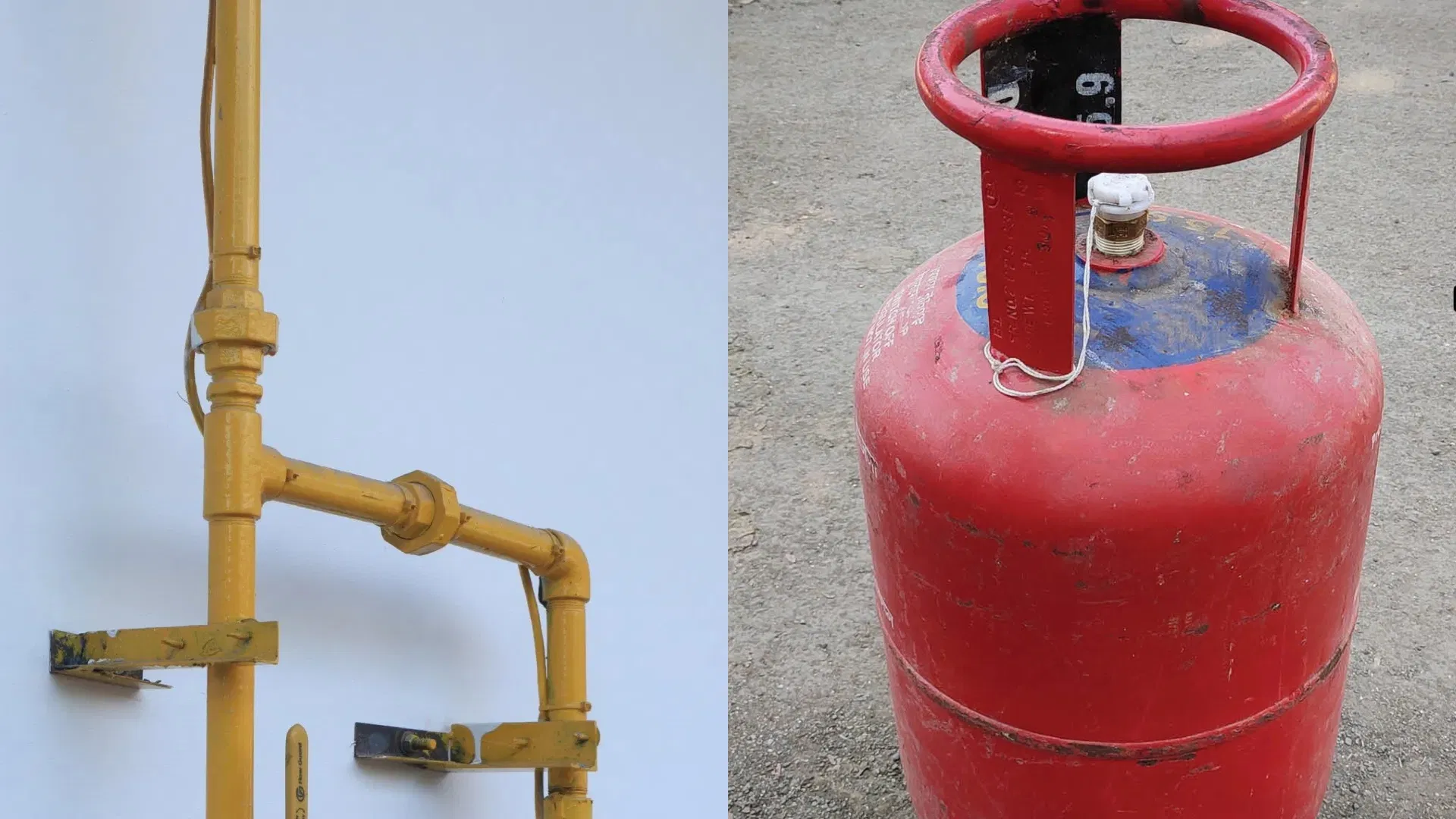
A growing transition from liquefied petroleum gas to piped natural gas is reshaping urban energy consumption patterns across Rajasthan, as the state expands its city gas distribution infrastructure to support households, businesses and industries. Officials say the shift toward Rajasthan PNG Expansion is gathering momentum across major urban centers, reflecting a broader strategy to modernize fuel supply systems while reducing dependence on imported liquefied fuels. Government authorities have accelerated the rollout of piped natural gas networks under the state’s City Gas Distribution framework, enabling households and enterprises to access gas through permanent pipeline connections rather than traditional LPG cylinders. The effort forms part of a wider policy initiative aimed at strengthening energy security while supporting cleaner urban fuel alternatives.
Urban development officials involved in the programme say the Rajasthan PNG Expansion is also linked to the state’s climate commitments and energy diversification plans. By building permanent pipeline networks across cities, policymakers expect to lower emissions from conventional fuel distribution while improving convenience and reliability for consumers. Across the state, more than a dozen authorised operators have been tasked with developing gas infrastructure in multiple geographic zones. These networks are being implemented in phases, covering key urban centres including Jaipur, Jodhpur, Udaipur, Kota and Ajmer, as well as emerging industrial and logistics hubs in northern and western Rajasthan. Energy planners estimate that the current infrastructure being deployed under the Rajasthan PNG Expansion programme has the capacity to eventually supply gas to more than half a million households and thousands of industrial and commercial establishments. While pipeline networks are already capable of serving more than five lakh domestic consumers, only a portion of these connections have been activated so far, leaving significant room for further growth as urban adoption increases.
Officials say administrative procedures for installing or modifying PNG connections have also been simplified to encourage wider adoption. Streamlined approval processes now allow tenants and frequently relocating households to apply for installation, transfer or disconnection of gas connections with fewer regulatory steps. Energy economists note that expanding piped natural gas networks can play an important role in improving urban energy resilience. Unlike LPG cylinders that require physical delivery and storage, PNG pipelines create continuous supply systems integrated directly into residential and commercial buildings. This reduces logistical costs and lowers the carbon footprint associated with transport and distribution. The expansion is particularly relevant for rapidly urbanising districts where industrial activity, residential growth and infrastructure development are increasing energy demand. Industrial clusters, hospitality establishments and commercial kitchens are expected to be among the early large-scale adopters of the pipeline-based fuel system. Urban planners also view the transition as part of a broader effort to build more sustainable city infrastructure. Modern gas networks integrated with urban utilities such as water supply and electricity grids can help cities transition toward lower-emission energy systems while supporting efficient urban growth.
As additional pipeline corridors and distribution networks are commissioned across Rajasthan, the pace of consumer adoption will likely determine how quickly the state’s energy landscape evolves. Policymakers say the next phase of expansion will focus on extending PNG networks into newer residential developments and industrial corridors to ensure long-term fuel accessibility for growing urban populations.