


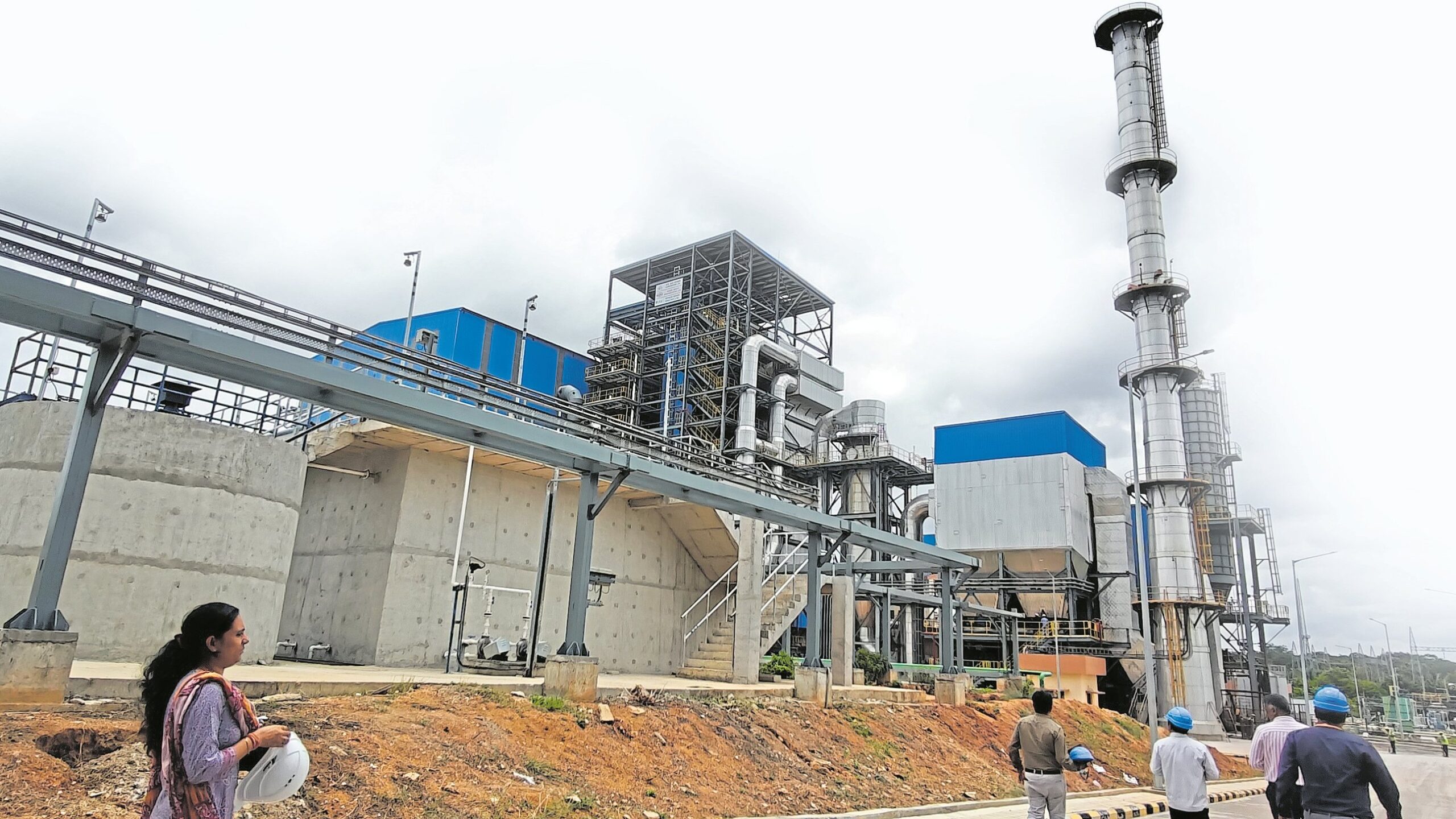
Bengaluru is exploring the potential of converting municipal waste into cooking fuel as part of efforts to address recurring supply disruptions in liquefied petroleum gas (LPG).
The approach, centred on generating biogas from organic waste, reflects a growing interest in decentralised energy solutions that can support both urban resilience and sustainability goals.The proposal focuses on utilising the city’s significant volumes of biodegradable waste to produce biogas, which can serve as an alternative cooking fuel. With Bengaluru generating thousands of tonnes of waste daily, a substantial portion of which is organic, experts believe there is untapped potential to convert this resource into energy. The Bengaluru waste to energy initiative is therefore being viewed as a way to tackle two persistent urban challenges—waste management and fuel dependency.Urban planners highlight that decentralised biogas systems can reduce pressure on conventional LPG supply chains, particularly during periods of disruption. By producing fuel closer to consumption points, cities can improve energy security while lowering transportation costs and emissions. In a rapidly growing urban centre like Bengaluru, such solutions could complement existing infrastructure rather than replace it.The environmental implications are also significant. Converting organic waste into biogas helps reduce landfill volumes and methane emissions, contributing to climate mitigation efforts.
It aligns with broader goals of creating circular urban economies, where waste is treated as a resource rather than a liability.The Bengaluru waste to energy model, if scaled effectively, could support the transition towards low-carbon urban systems.However, experts caution that implementation challenges remain. Establishing efficient waste segregation systems is critical, as contamination can reduce the effectiveness of biogas production. Additionally, infrastructure for collection, processing and distribution needs to be developed at scale to make the model viable. Without these supporting systems, the impact on LPG demand may remain limited.From an economic perspective, the initiative could create new opportunities in the waste management and renewable energy sectors. Localised biogas plants can generate employment while supporting small-scale enterprises involved in waste collection and processing. This aligns with inclusive urban development strategies that seek to integrate informal workers into formal systems.There are also implications for urban planning and real estate. Integrating waste-to-energy facilities within city layouts requires careful zoning to balance accessibility with environmental and social considerations. Ensuring community acceptance will be essential, particularly in densely populated areas where land use conflicts are common.
As Bengaluru continues to grapple with both waste management and energy security challenges, the exploration of alternative fuel sources highlights a shift towards more integrated urban solutions. The success of the Bengaluru waste to energy approach will depend on coordinated policy support, technological investment and citizen participation in waste segregation practices.If effectively implemented, the model could offer a scalable pathway for other Indian cities facing similar constraints, demonstrating how sustainable infrastructure can address multiple urban challenges simultaneously.
Also Read:Bengaluru University Enrolment Strategy Adopts Digital Outreach
