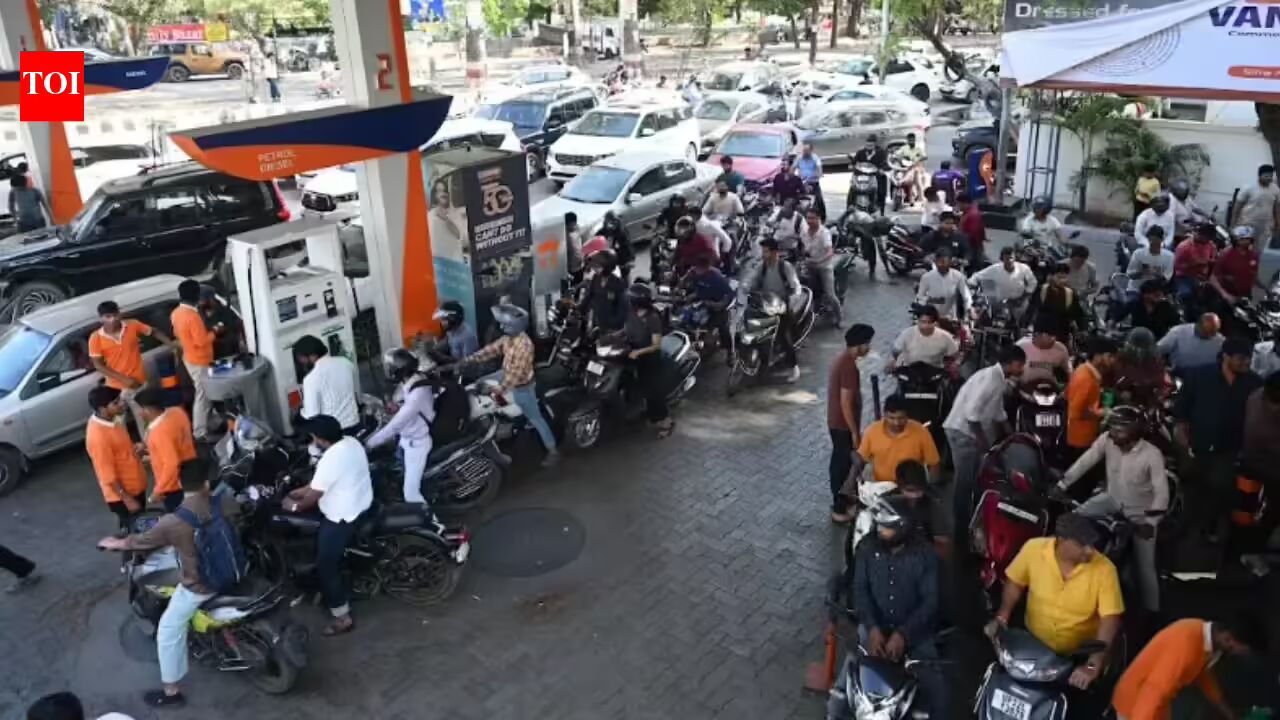
Lucknow Fuel Situation Eases After Panic Buying Surge
The fuel situation across Uttar Pradesh has begun to stabilise after several days of panic buying triggered long queues and traffic disruption in major cities, with officials now indicating that petrol and diesel supplies are adequate and urban activity is gradually returning to normal. The easing of the crisis highlights how quickly misinformation-driven demand spikes can strain urban supply chains even when stock levels remain sufficient.
Authorities have clarified that the state continues to hold enough reserves to meet demand for the next few weeks, and that the recent shortage at some petrol pumps was largely the result of sudden and excessive purchases rather than an actual supply disruption. According to official estimates, fuel consumption in cities such as Lucknow rose sharply within a few days as residents rushed to fill tanks after rumours circulated on social media. The situation had briefly affected daily urban life. Long queues outside petrol pumps created traffic congestion in several neighbourhoods and forced police to deploy additional personnel to manage crowds and reassure commuters. In some locations, fuel stations temporarily ran out of stock because of unusually high demand, even though oil depots continued to operate normally and supply chains remained intact. Recent updates suggest that conditions have improved significantly, with most fuel stations now functioning normally and queues shrinking as panic buying subsides. Industry officials have also reiterated that there is no shortage of petrol, diesel or LPG anywhere in the state, echoing similar statements issued at the national level by oil marketing companies.
These companies have publicly confirmed that India has sufficient fuel reserves and that supply operations are continuing without interruption. Urban planners say the episode reveals a deeper challenge for fast-growing cities: the resilience of essential supply systems during sudden demand shocks. Petrol pumps are typically designed to handle predictable daily demand rather than sudden surges of 30–60% within a few days. When panic buying begins, it can quickly overwhelm even well-stocked systems, particularly in densely populated cities where traffic congestion and delivery delays can slow replenishment. The recent disruption also reflects wider global factors influencing local urban economies. Reports of geopolitical tensions affecting international oil markets contributed to public anxiety, even though domestic supply levels remained stable. Analysts note that such events increasingly have immediate consequences for Indian cities because fuel availability affects everything from public transport and logistics to small businesses and delivery services.
For residents, the immediate impact has been a return to routine commuting and normal fuel availability. However, the episode has highlighted the need for stronger public communication systems and more resilient urban supply chains. As cities continue to grow, even short-term disruptions to essential services such as fuel distribution can have wide-ranging effects on mobility, business activity and everyday life. With normalcy gradually returning across Uttar Pradesh, the focus is now shifting from crisis management to preventing similar panic-driven disruptions in the future.