Ludhiana Power Network Overhaul Worth 400 Crore Begins
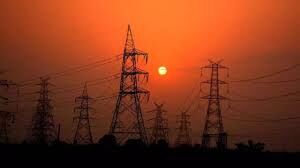
Ludhiana has begun a large-scale modernisation of its ageing electricity system, with works estimated at around ₹400 crore now moving into execution across several parts of the city. The initiative is aimed at replacing outdated distribution infrastructure and strengthening the grid ahead of rising industrial and residential power demand in one of Punjab’s fastest-growing urban centres.
Officials familiar with the plan say the overhaul focuses on old transmission and distribution lines, overloaded transformers and areas that have witnessed repeated outages during peak summer and monsoon seasons. Over the past year, the power utility has already launched multiple upgrade programmes in the city — including a ₹100-crore outage-reduction plan and a ₹160-crore investment aimed at improving supply in both industrial clusters and residential neighbourhoods. The scale of the current upgrade reflects the structural pressure on Ludhiana’s electricity system. As Punjab’s largest industrial hub, the city records one of the highest urban electricity loads in the state, particularly in manufacturing zones such as Focal Point, Tajpur Road and Giaspura. With new factories, commercial spaces and residential developments continuing to expand, demand for reliable electricity has grown faster than the existing infrastructure can handle.The modernisation effort is expected to include new substations, higher-capacity transformers and replacement of ageing power lines in older parts of the city. Work on several substations under the outage-reduction plan has already started, with land being secured and groundwork initiated in multiple locations.
Once operational, these substations are expected to reduce load pressure on existing feeders and improve voltage stability across both residential and industrial zones. The project also comes after a series of weather-related power disruptions over the past year exposed the fragility of the existing network. Earlier reports indicated that storms and seasonal demand spikes have repeatedly triggered prolonged outages in the city, despite earlier investments in power infrastructure. The new upgrade is therefore being positioned as a more comprehensive attempt to rebuild rather than simply repair the network. From an urban-development perspective, the overhaul is significant because power reliability plays a central role in the economic competitiveness of manufacturing cities. Urban planners note that electricity infrastructure is now becoming as important as road and transport networks for industrial growth, especially in cities trying to attract new investment and support small and medium enterprises. Strengthening the grid also supports the transition to cleaner and more energy-efficient urban systems, including electric mobility, modern industrial processes and smart-city infrastructure.
For residents, the immediate expectation is fewer outages and improved voltage stability during the summer months, when air-conditioning demand pushes the network to its limits. In the longer term, the success of the project will depend on whether the modernisation keeps pace with the city’s rapid urban expansion. If implemented effectively, the overhaul could help transform Ludhiana’s electricity system from a reactive network into a more resilient urban infrastructure capable of supporting long-term growth.