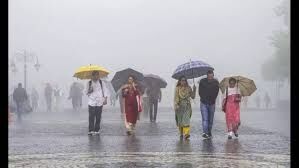
Chandigarh Orange Alert Issued After Sudden Rain And Hail
Chandigarh witnessed a sudden shift in weather over the weekend after heavy rain, gusty winds and isolated hailstorms prompted authorities to issue an orange alert for March 29 and 30. The warning reflects a broader pattern of unstable weather across north India, where late-season storms are increasingly affecting major urban centres and forcing local administrations to review preparedness for short-duration extreme events.
According to official weather updates, the alert was issued after strong winds and intense rain brought a noticeable drop in temperature across the city and nearby urban areas such as Mohali and Panchkula. The India Meteorological Department (IMD) warned that thunderstorms accompanied by hail and gusty winds could continue for the next 48 hours, advising residents to remain cautious, especially during evening and night hours when sudden weather activity tends to intensify. The development is part of a wider weather disturbance affecting several states in northern India. Recent forecasts and news reports show similar warnings issued for parts of Punjab, Haryana, Himachal Pradesh, Uttarakhand and Delhi-NCR, indicating that the region is experiencing an extended spell of unseasonal storms linked to western disturbances. In several cities, including Dehradun and parts of the western Himalayan region, rainfall and thunderstorms over the past few days have also led to temperature fluctuations and short-term disruptions to daily life. Urban planners say such sudden weather events are becoming more significant for fast-growing cities because they expose vulnerabilities in basic infrastructure. Short-duration but high-intensity rain can overwhelm drainage systems, while strong winds can damage temporary structures, signage and roadside infrastructure.
In planned cities like Chandigarh, which has relatively better road networks and drainage compared to many older cities, the impact may be less severe — but recurring alerts still highlight the need for long-term climate-resilience planning. The immediate effect of the rain has been a sharp drop in temperatures after several days of rising heat. While residents welcomed the relief, officials have emphasised the importance of precaution, particularly for commuters, construction sites and outdoor activities. Sudden wind speeds during thunderstorms can affect traffic movement, especially in high-density commercial zones and near large intersections where temporary structures and roadside installations are common. Weather experts also point out that the frequency of such late-March storms has increased in recent years due to changing seasonal patterns. Instead of a gradual transition from winter to summer, cities across northern India are now witnessing abrupt shifts marked by heat waves followed by intense rain and hail within short intervals. This pattern is expected to continue over the next few days as the weather system moves across the northern plains.
For city administrators, the orange alert is therefore not just a short-term warning but a reminder of the need for stronger urban resilience measures — from better storm-water systems to stricter safety standards for temporary structures. As extreme weather becomes more unpredictable, even well-planned cities may need to adapt their infrastructure to handle sudden and intense climate events more effectively.