


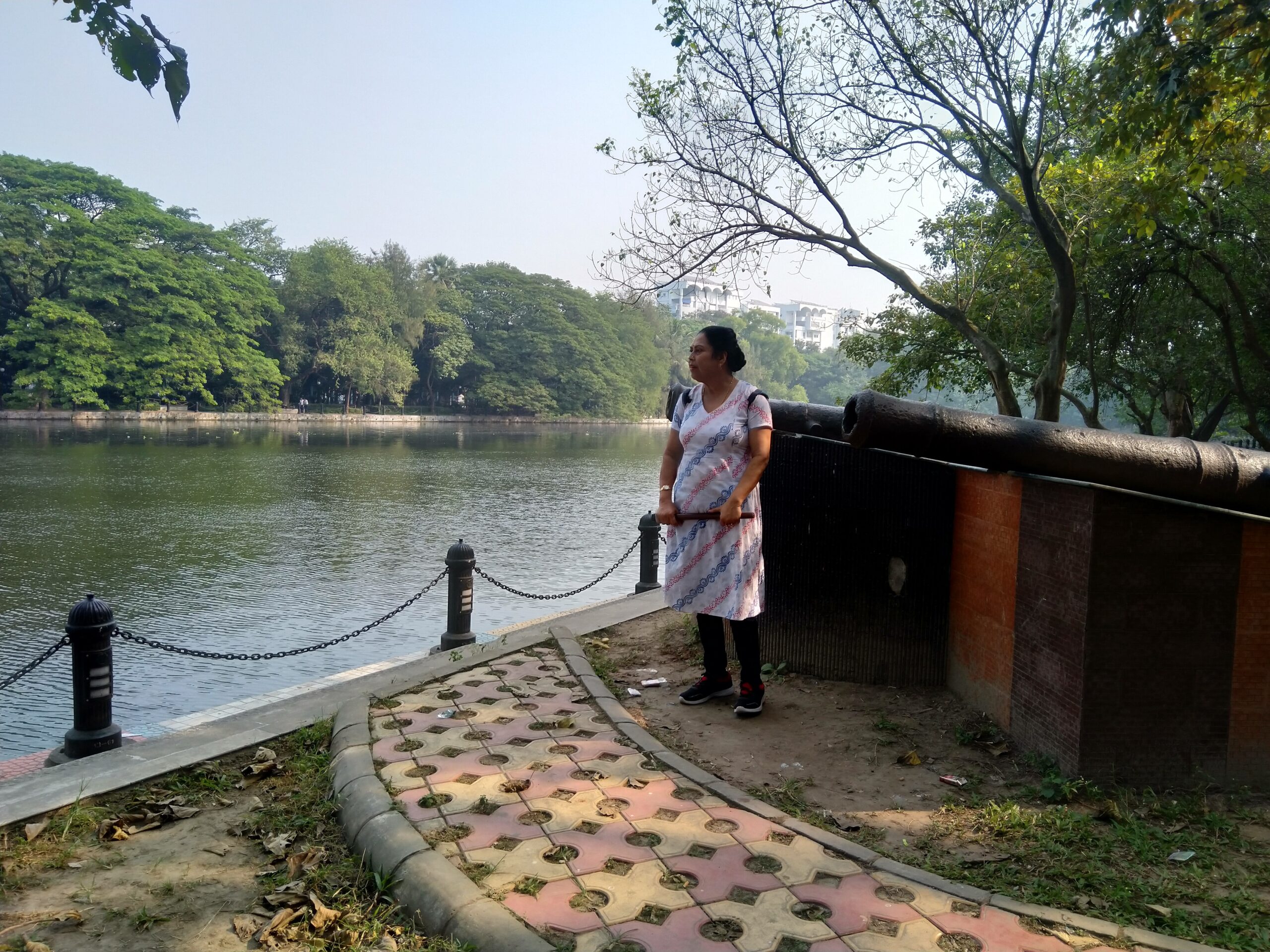
A major urban lake precinct in south Kolkata is emerging as a critical public space where recreation, culture and community life intersect, underscoring the growing importance of accessible green infrastructure in dense cities.
Rabindra Sarovar, long known as a recreational retreat, is increasingly functioning as a social and cultural anchor, reflecting how urban residents engage with shared environments amid changing lifestyles and climate pressures.Spread across a significant green expanse, Rabindra Sarovar offers a rare ecological buffer within a heavily built-up area. Urban planners view such spaces as essential to improving air quality, mitigating heat stress and supporting biodiversity—factors that are becoming central to climate-resilient city planning. As Kolkata grapples with rising temperatures and periodic flooding, the role of natural water bodies in regulating microclimates is gaining renewed attention.The lake precinct has also evolved into a vibrant site for informal cultural expression. From early morning fitness groups to music gatherings and community-led activities, the space reflects a diverse cross-section of urban life. Analysts suggest that this organic use of public areas highlights the need for inclusive, gender-neutral urban design that accommodates multiple forms of engagement without rigid zoning.Importantly, Rabindra Sarovar demonstrates how public spaces can contribute to mental and social well-being.
In high-density cities where private recreational options are limited, accessible green areas provide a vital outlet for interaction and relaxation.Experts point out that equitable distribution of such spaces is critical, particularly in cities where disparities in infrastructure access remain pronounced.From an infrastructure perspective, maintaining and upgrading urban lakes like Rabindra Sarovar presents both opportunities and challenges.Authorities must balance ecological preservation with increasing footfall, ensuring that pathways, lighting and sanitation facilities are enhanced without disrupting the natural ecosystem. Sustainable management practices, including water quality monitoring and waste control, are seen as key to preserving the long-term viability of such assets.There are also implications for urban real estate and development. Proximity to well-maintained green spaces often enhances property values and attracts investment, but can also trigger concerns around gentrification and unequal access. Urban economists argue that planning frameworks must ensure that improvements to public infrastructure benefit a broad spectrum of residents rather than a limited segment.
As cities worldwide rethink the role of public spaces in post-pandemic urban life, Rabindra Sarovar offers a case study in how natural assets can be integrated into everyday city rhythms. Its continued relevance will depend on governance models that prioritise sustainability, accessibility and community participation. For Kolkata, the challenge lies in replicating such success across other neighbourhoods, ensuring that green infrastructure becomes a foundational element of future urban development.
Also Read:Kolkata Storytellers Redefine Urban Identity Through Culture
