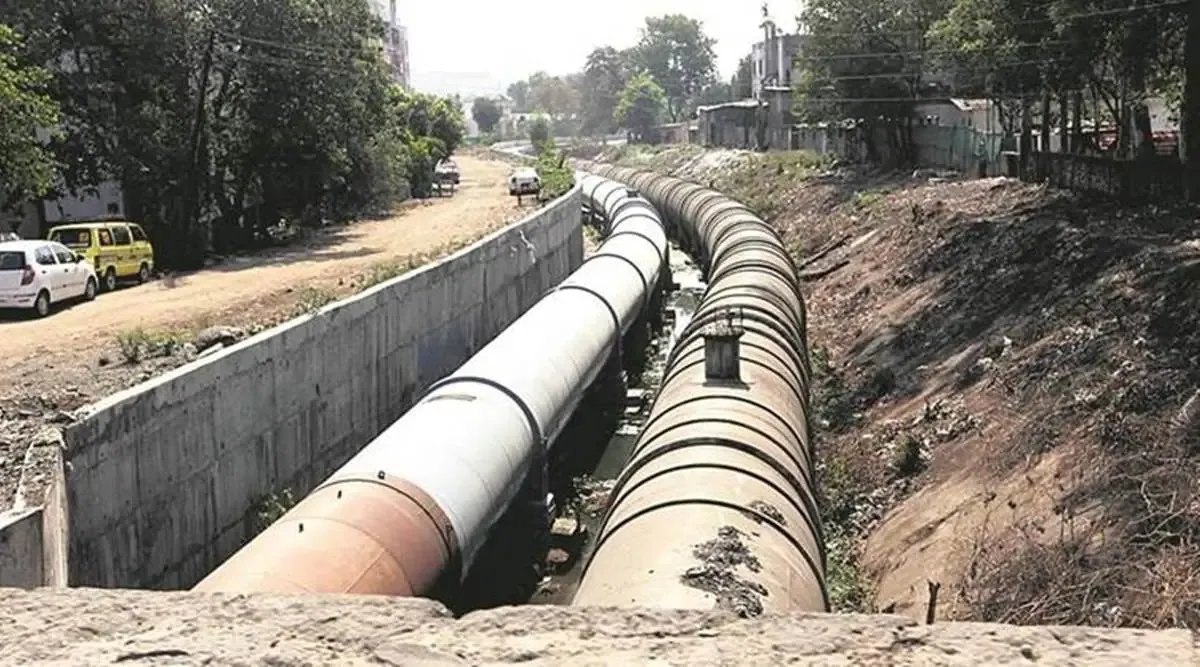
Gurugram Ward 34 Sewer Project Set For April Finish
Gurugram is nearing the completion of a long-delayed sewer infrastructure upgrade in Ward 34, with civic officials indicating that the project is expected to be finished by the end of April. The development addresses persistent sanitation and drainage failures that have affected several residential pockets for years, signalling a shift towards more durable urban infrastructure in one of NCR’s fastest-growing cities. The ₹12–15 crore intervention, funded through the municipal infrastructure budget, marks a transition from short-term maintenance fixes to a comprehensive overhaul of ageing sewer networks. According to officials, the project includes replacing deteriorated pipelines, extensive desilting operations, and improving flow management to prevent recurring blockages and overflow incidents.
Neighbourhoods such as Rajendra Park, New Palam Vihar, Jhajjar Road, and surrounding colonies have historically faced chronic sewer backflow, foul odour, and seasonal waterlogging. These issues have not only disrupted daily life but also raised public health concerns, particularly during peak summer and monsoon periods. Urban planners note that such conditions often reflect deeper gaps in legacy infrastructure planning, especially in rapidly expanding peri-urban zones. A senior civic official indicated that earlier responses—largely limited to periodic cleaning and minor repairs—failed to deliver sustainable outcomes. The current approach, instead, focuses on systemic rehabilitation of the sewer network, combining engineering upgrades with improved monitoring. This aligns with broader urban resilience goals, where cities are increasingly investing in long-term solutions rather than reactive maintenance. The project also highlights the economic implications of infrastructure deficits.
In areas with persistent drainage problems, property values often stagnate, and informal coping mechanisms—such as private water pumping or waste disposal—add to household costs. By addressing core sewer issues, the upgrade is expected to improve liveability and gradually support more stable real estate conditions in these neighbourhoods. From an environmental perspective, improved sewer systems are critical for reducing untreated wastewater discharge and preventing contamination of local water bodies. Experts suggest that strengthening underground drainage networks is essential for climate-adaptive urban planning, particularly in cities like Gurugram that face increasing rainfall variability and urban flooding risks. Residents have reported visible progress on the ground, though expectations remain cautious. Many emphasise that the true success of the project will depend on consistent maintenance and whether the upgraded system can withstand peak seasonal stress.
As the project enters its final phase, attention is likely to shift towards monitoring performance and ensuring that similar infrastructure gaps in other wards are addressed systematically. For Gurugram, the Ward 34 upgrade could serve as a test case for how targeted civic investments can improve both urban resilience and everyday quality of life.