Nagpur Road Safety Model Gains Statewide Policy Push
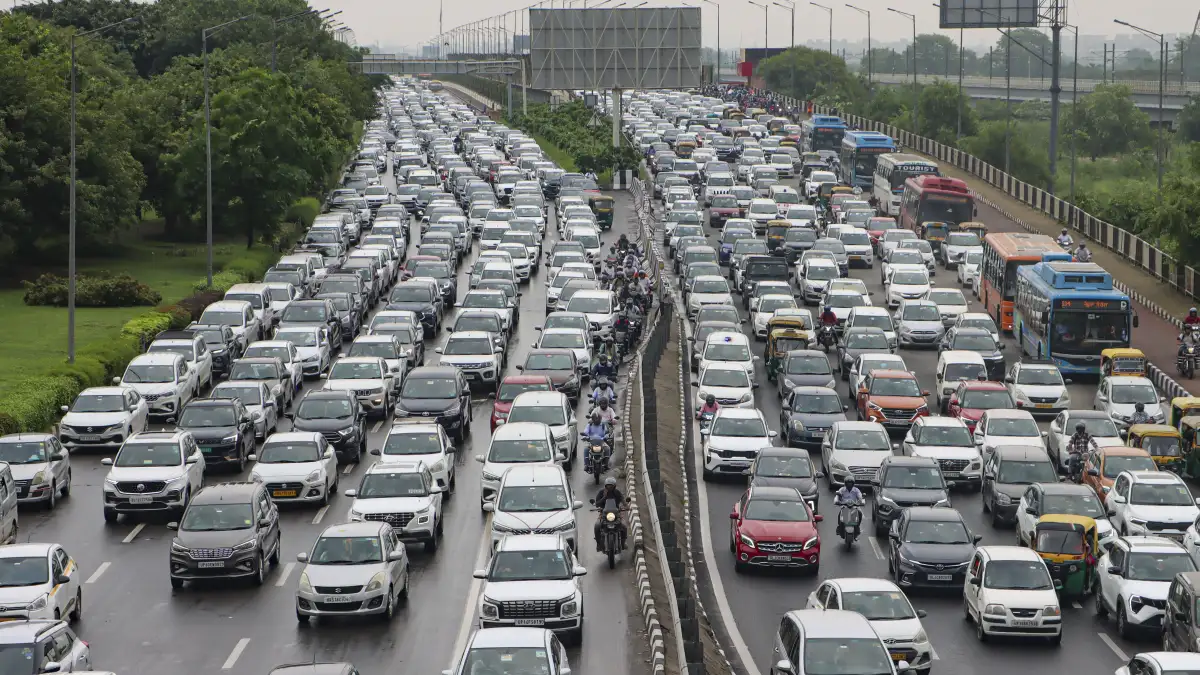
Central Delhi is set to experience temporary traffic disruptions as authorities implement movement restrictions for a scheduled half marathon event, reflecting the growing complexity of managing urban mobility alongside public events. The restrictions, effective during early morning hours, will impact key ceremonial and administrative zones of the capital, requiring commuters to adjust travel plans. The event route passes through some of Delhi’s most prominent arterial roads and public spaces, including stretches surrounding India Gate and Kartavya Path. These areas, typically characterised by high traffic volumes and institutional activity, will see regulated access to ensure pedestrian safety and smooth event execution. Traffic officials have indicated that restrictions will remain in place for several hours, coinciding with peak morning movement.
The Delhi traffic advisory outlines a comprehensive plan to prevent congestion and maintain order. Parking and halting of vehicles will be restricted along the designated route, with enforcement measures in place to tow improperly parked vehicles. Alternative arrangements have been identified for vehicle relocation, aimed at minimizing disruption while maintaining compliance. Urban mobility experts note that such advisories are increasingly becoming a routine feature in large cities hosting public events. While these measures are essential for safety and event management, they also highlight the need for more adaptive traffic systems capable of balancing mobility demands with civic activities. In densely populated urban centers, even short-term restrictions can have ripple effects across adjoining corridors. The Delhi traffic advisory also underscores the importance of public communication in managing urban transport. Clear guidance on route diversions and restricted zones enables commuters to make informed decisions, reducing the risk of congestion build-up. Increasingly, digital platforms and real-time updates are being used to disseminate such information, reflecting a shift towards smarter traffic management systems.
From a broader perspective, events like city marathons are often linked to public health, community engagement, and urban placemaking. They activate public spaces that are otherwise dominated by vehicular movement, offering a temporary reimagining of streets as pedestrian-friendly environments. However, planners emphasize that these benefits must be balanced with efficient transport planning to avoid disproportionate inconvenience to daily commuters. The situation also points to the need for long-term strategies such as dedicated event corridors, improved public transport alternatives, and flexible traffic signalling systems. These can help cities accommodate large-scale gatherings without significantly disrupting routine mobility. For residents and commuters, the immediate impact will be the need to navigate around restricted zones during the advisory period. Authorities have urged the public to avoid affected routes and plan journeys in advance.
As Delhi continues to host large civic and sporting events, the effectiveness of such traffic management measures will play a key role in shaping the city’s ability to balance accessibility, safety, and urban experience.