Delhi NCR Construction Dust Rules Target Pollution
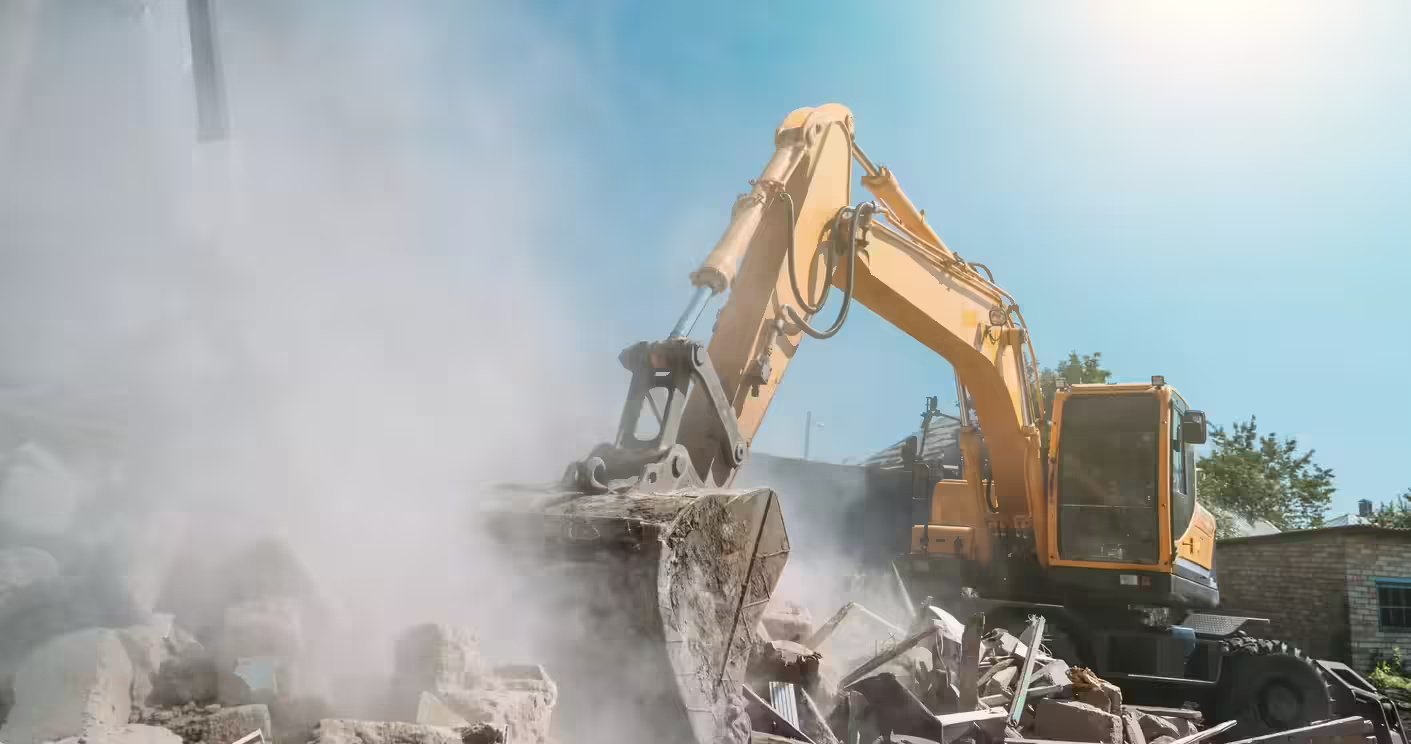
Construction activity across the National Capital Region is set to face tighter environmental oversight as authorities move to curb rising particulate pollution linked to dust emissions. New compliance measures introduced by the Commission for Air Quality Management aim to regulate how construction and demolition waste is handled, with a sharper focus on accountability, monitoring, and scientific disposal. The revised framework comes at a time when dust remains a major contributor to poor air quality in Delhi NCR, particularly during peak construction cycles and seasonal weather shifts. Urban planners note that particulate matter from construction sites can account for a significant share of airborne pollution, intensifying health risks and undermining efforts to improve urban liveability.
At the center of the updated rules is a mandatory requirement for construction projects above a defined threshold to deposit demolition waste at authorized collection facilities. Authorities are working to ensure that such centres are accessible within short distances, reducing the likelihood of illegal dumping. Projects will now be required to submit verifiable proof of waste disposal before receiving occupancy approvals, linking environmental compliance directly to real estate delivery timelines. Industry experts suggest that this move could significantly alter how developers approach project planning. By embedding waste management into regulatory approvals, the policy shifts dust control from an optional practice to a core compliance requirement. This is expected to drive greater adoption of structured waste logistics, including the use of covered transport vehicles and scheduled disposal systems. The Delhi NCR dust rules also emphasise the use of on-site mitigation technologies. Measures such as water spraying, installation of dust barriers, and deployment of air quality monitoring systems will continue to be enforced, particularly for large-scale developments. Authorities are expected to intensify inspections, with penalties for non-compliance forming a key deterrent.
In parallel, digital monitoring tools are being introduced to improve transparency. A centraliZed platform is under development to track construction waste movement using GPS-enabled systems, allowing regulators to verify whether debris reaches designated facilities. This reflects a broader shift towards data-driven governance in urban environmental management. Urban policy analysts view the Delhi NCR dust rules as part of a wider transition towards climate-responsive infrastructure regulation. By addressing dust pollution at its source, the measures could contribute to reducing overall particulate levels, while also encouraging more sustainable construction practices. However, implementation remains critical. Without consistent enforcement and industry alignment, the impact may be uneven across regions. For residents, the changes could translate into improved air quality over time, particularly in densely built neighbourhoods where construction activity is constant. For developers, the new framework signals a more structured regulatory environment where environmental performance is closely tied to project viability.
As the rules come into force, attention will turn to how effectively they are implemented across multiple jurisdictions within the NCR. The success of this approach could shape how other rapidly urbanizing regions in India address the growing challenge of construction-linked pollution.