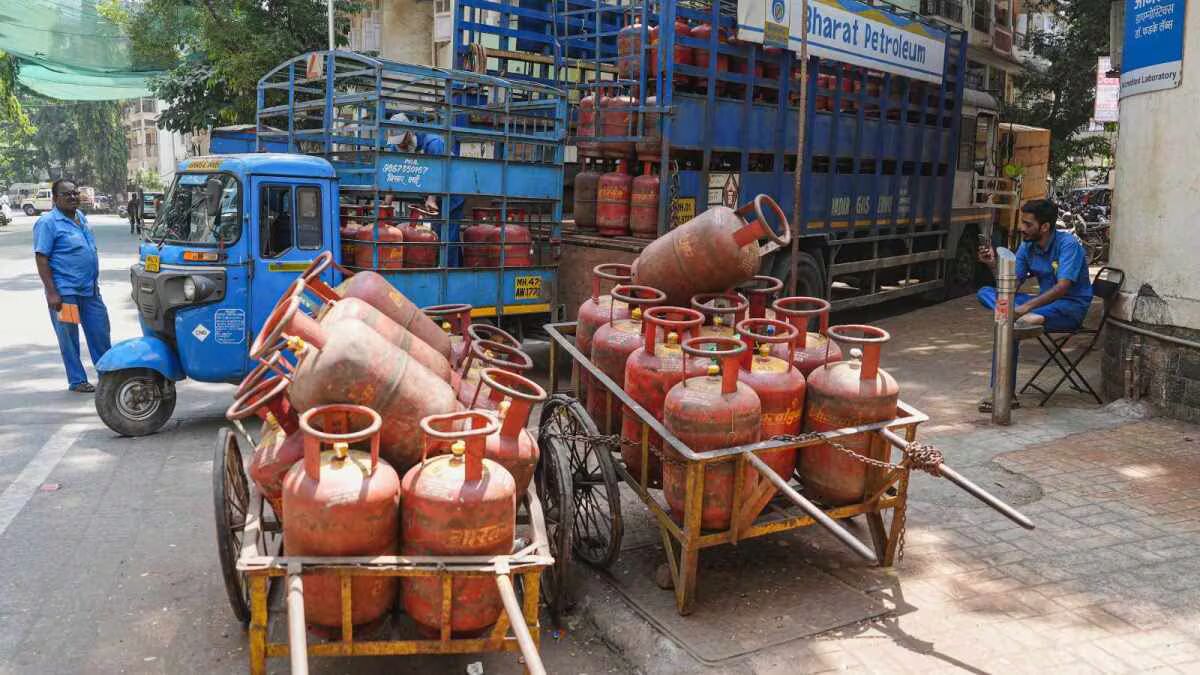
Hyderabad LPG Shortage Disrupts Urban Transport Costs
Chandigarh is preparing a major expansion of its city gas network with a plan to scale up piped natural gas connections to nearly one lakh households, signalling a decisive shift in how urban homes are expected to access cooking fuel in the coming years. The initiative is part of a wider strategy to reduce dependence on LPG cylinders and strengthen the city’s long-term energy security.
The Union Territory administration is targeting a rapid increase in domestic PNG connections, particularly in group housing societies and high-density residential areas where pipelines are already available or can be extended quickly. Officials involved in the programme said the effort includes registration drives, simplified approval processes and faster connection timelines to encourage residents to switch from cylinder-based supply to a piped network. The push reflects a broader shift in urban energy planning across Indian cities. According to recent government policy updates, authorities are trying to accelerate the transition from LPG to PNG in areas where pipeline infrastructure already exists. The policy aims to improve supply stability while reducing pressure on logistics networks that deliver cylinders to fast-growing urban neighbourhoods. Data from the national gas regulator shows that the adoption gap remains significant even in well-planned cities. Chandigarh, for instance, has far more LPG users than piped gas consumers despite existing infrastructure.
Urban planners say this imbalance is one of the reasons city administrations are now actively promoting PNG adoption rather than waiting for gradual market-driven growth. For residents, the transition could change everyday urban living in subtle but significant ways. Piped natural gas offers uninterrupted supply and removes the need for storing cylinders in compact apartments — an issue that has become more relevant as high-rise housing grows in Indian cities. Experts also note that reducing cylinder logistics could ease congestion in dense residential sectors and lower safety risks associated with storage and transportation. The plan is also linked to larger concerns about global energy supply. The recent crisis in West Asia has pushed governments to strengthen domestic energy infrastructure and reduce reliance on fuel systems that depend heavily on imports and complex logistics chains. Expanding PNG networks in cities such as Chandigarh is therefore being seen not just as an energy initiative but as part of a broader urban resilience strategy.
Urban economists believe the move could have long-term implications for how Indian cities plan infrastructure. Integrating gas pipelines with new housing developments, transport corridors and commercial districts is increasingly becoming a priority in city planning. If the current expansion plan achieves its target, Chandigarh could emerge as one of the first mid-sized Indian cities to move significantly away from cylinder-based cooking fuel. The success of the initiative will ultimately depend on execution at the neighbourhood level. However, if large-scale adoption takes place, the shift to piped gas could become a template for other cities trying to balance rapid urban growth with cleaner and more reliable energy systems.