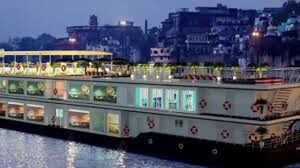
Patna River Tourism Expands As Ganga Cruise Returns
River-based tourism in Patna is beginning to regain momentum after the relaunch of the city’s Ganga cruise service with reduced fares and plans to expand routes along the riverfront. The move reflects a broader attempt to reposition the Bihar capital as a river-centric urban destination while creating new public spaces and economic activity along the Ganges.
Officials associated with the project said the cruise service resumed operations after undergoing mandatory technical maintenance and safety upgrades, which kept the vessel out of service for several months. With repairs now complete, the service has returned with a more affordable fare structure aimed at encouraging wider public use rather than limiting the experience to tourists. The reduced pricing is expected to attract families, students and local residents who previously viewed the cruise as an occasional leisure activity rather than a regular urban attraction. The return of the cruise also comes at a time when the city is investing heavily in riverfront infrastructure. Projects such as the expansion of the Ganga Path corridor and plans for a water-based public transport system have gradually shifted attention back to the river, which historically shaped the city’s growth but remained underused in recent decades. Urban planners say the revival of the cruise service fits into a wider strategy of turning the riverfront into a mixed-use space that combines tourism, recreation and urban mobility. In addition to restoring regular operations, authorities are examining the possibility of extending the cruise route to cover more ghats and key riverfront landmarks.
Earlier plans had already proposed expanding services beyond short sightseeing trips to longer routes connecting multiple ghats across the city. If implemented, this could improve accessibility to heritage sites while reducing pressure on heavily congested road corridors that run parallel to the river. The renewed focus on river-based tourism also carries economic implications. Cities such as Varanasi and Kochi have shown how cruise services and waterfront redevelopment can generate employment in small businesses, including food vendors, transport operators and local tour services. Officials believe that even a modest increase in cruise ridership in Patna could help stimulate similar activity along the riverfront, particularly in areas where commercial development has historically remained limited. Environmental considerations are also shaping the future of the project. Recent proposals for electric water-based transport along the Ganges suggest that authorities are trying to combine tourism development with cleaner mobility solutions. Experts say this approach could help the city reduce dependence on road-based transport while gradually improving public access to the river without increasing pollution levels.
For residents, the revival of the cruise service is more than a tourism initiative. It signals a shift in how the city views the Ganges — not just as a cultural or religious landmark, but as a core urban asset. If route expansion and affordable pricing continue, the relaunch could mark the beginning of a broader transformation in how Patna integrates its riverfront into everyday urban life.