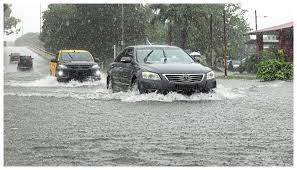
Patna Unseasonal Rain Warning Puts City Systems On Alert
Unseasonal rain and storm warnings issued for Bihar have placed Patna and several other urban centres on alert just days before the end of March, raising fresh concerns about how rapidly expanding cities are coping with increasingly unpredictable weather patterns. The India Meteorological Department has warned of thunderstorms, gusty winds and lightning across parts of the state, with more intense conditions expected around March 31.
According to official forecasts, the weather shift is being driven by a fresh western disturbance combined with local atmospheric conditions across eastern India. Meteorologists have indicated that isolated heavy rainfall and strong wind activity are likely in multiple districts, which could lead to short-term disruptions in transport, electricity supply and daily urban life. Such weather patterns are becoming more common in pre-monsoon months, particularly in cities where dense construction and limited green cover amplify the impact of sudden storms. The warning comes at a sensitive time for Patna’s civic infrastructure. The city is currently preparing a series of urban upgrades in waste management, road infrastructure and traffic systems, many of which depend on stable weather conditions for execution. Urban planners say sudden pre-monsoon storms not only delay infrastructure work but also expose gaps in drainage networks, especially in high-density residential areas and newly developed neighbourhoods.
Beyond immediate disruptions, the alert highlights a deeper urban challenge. Unseasonal rainfall in late March can affect construction timelines, increase dust-storm risks and disrupt transport corridors that connect the city with surrounding districts. It can also strain informal housing clusters that remain vulnerable to waterlogging and poor drainage. Experts note that while such weather events were once considered rare, they are now increasingly linked to broader climate variability across northern and eastern India. For residents, the impact may range from temporary traffic congestion to power interruptions and safety risks linked to lightning. Authorities have urged people to remain cautious during thunderstorms and avoid unnecessary travel during periods of strong wind activity. Urban policy analysts say that such advisories are becoming a regular part of city governance as climate-related risks begin to influence everyday urban planning decisions.
The longer-term implication is clear: fast-growing cities like Patna will need to invest not only in new infrastructure but also in climate-resilient systems capable of handling sudden weather shocks. If extreme pre-monsoon conditions continue to intensify, urban authorities may need to rethink drainage planning, building standards and emergency response systems to ensure that growth remains both sustainable and resilient.