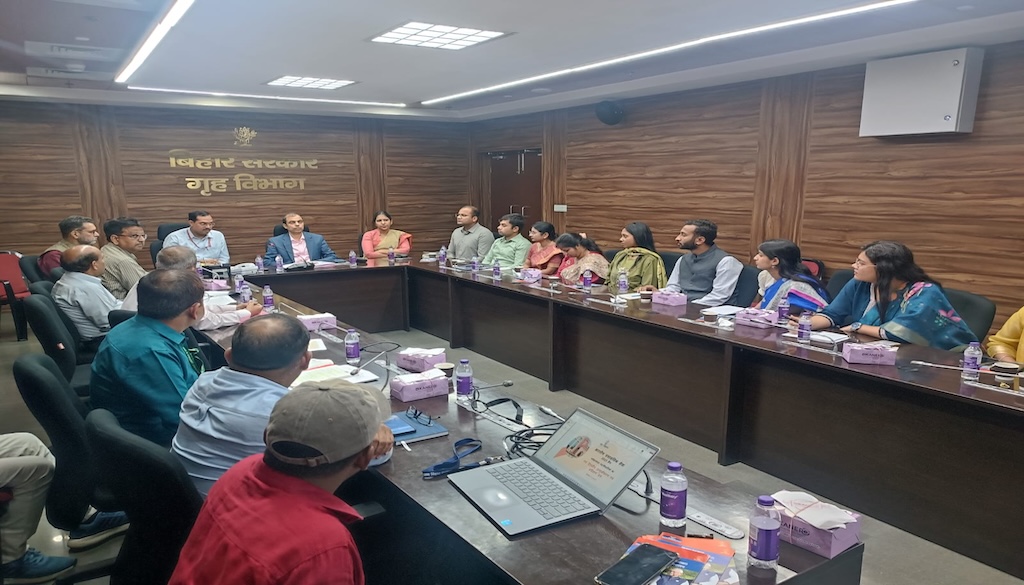
Patna Governance Training Prepares New Civil Service Officers
Patna has become a training ground for the next generation of civil service leadership, with 2024-batch IAS probationers undergoing departmental training in the city’s urban development and housing system. The programme comes at a time when rapidly expanding cities such as Patna are under increasing pressure to strengthen governance capacity alongside infrastructure growth.
The training initiative is designed to familiarise young officers with how municipal and state-level urban departments function in practice. Officials involved in the programme said the focus is not only on administrative procedures but also on real-world issues such as urban infrastructure planning, housing delivery, waste management systems and service delivery in high-density neighbourhoods. Such exposure is considered critical as many probationers are expected to take up field roles in fast-growing districts soon after completing their training cycle. The decision to conduct part of the training in Patna reflects the city’s growing role as an administrative and urban policy hub in eastern India. Over the past year, the state has announced a series of initiatives in the urban development and housing sector, including recruitment for planning and legal posts and expansion of civic infrastructure programmes. Policy analysts say exposing probationers to these programmes early in their careers could improve long-term policy implementation and help address persistent gaps in urban governance capacity.
The presence of young civil service officers also highlights a wider trend in India’s urban transition. As tier-two state capitals grow rapidly, governance challenges are shifting from purely rural administration to more complex urban issues such as traffic management, housing shortages, informal settlements and climate-related infrastructure risks. Training programmes that emphasise urban governance are increasingly being seen as essential rather than optional, particularly in cities where population growth is outpacing municipal capacity. Urban planners note that the training programme could have long-term implications beyond administrative preparation. Officers who begin their careers with exposure to sustainable urban planning, inclusive housing policies and efficient municipal finance systems are more likely to prioritise these areas once they move into decision-making roles. For cities like Patna, where infrastructure expansion and social inclusion must progress together, such institutional capacity building is becoming as important as physical construction projects.
The training phase is expected to continue over the coming weeks, after which the probationers will be assigned to different departments and districts across the state. For residents, the initiative may not immediately change daily life, but it signals a longer-term effort to strengthen how urban policies are implemented—an issue that has increasingly shaped the success of infrastructure and housing programmes across India’s fast-growing cities.