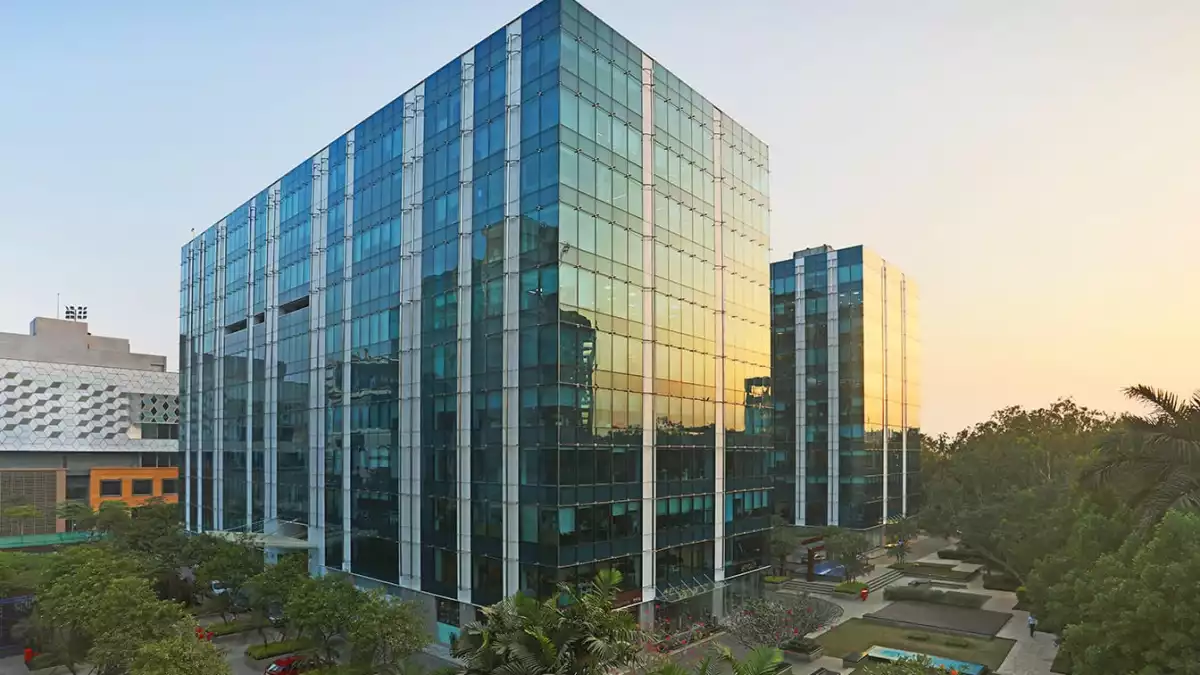
A major long-term office renewal in Mumbai’s Bandra Kurla Complex underscores the sustained demand for premium commercial real estate, even as companies reassess workplace strategies globally. Facebook India Online Services Pvt Ltd has extended its lease for a large office footprint at One BKC for five years, with total rental commitments exceeding ₹200 crore, according to property registration data reviewed by Urban Acres.
The agreement covers approximately 46,000 sq ft of carpet area across two floors in One BKC, a Grade A office tower owned by One BKC Realtors Pvt Ltd. The lease term, commencing in December 2025, reflects a steady escalation structure, with rents starting above ₹3 crore per month and rising annually. The deal also includes dedicated parking provisions, a key factor in high-density commercial districts where mobility constraints shape leasing decisions. The Mumbai BKC office lease highlights the resilience of India’s top-tier office markets, particularly those anchored by financial institutions, multinational firms, and regulatory bodies. Despite hybrid work models reducing space requirements in some global cities, demand for high-quality, centrally located offices remains firm in India’s financial capital. Industry experts suggest that companies are prioritising fewer but better-equipped workspaces that enhance employee experience and operational efficiency.
Urban planners note that BKC’s continued appeal lies in its integrated infrastructure, proximity to transport corridors, and concentration of institutional anchors such as the Reserve Bank of India and the National Stock Exchange. This clustering effect creates a self-reinforcing ecosystem that supports higher rentals while ensuring long-term occupancy stability. However, the scale of such transactions also raises broader questions about equitable urban growth. As premium districts like BKC command rising rents, smaller firms and startups may be priced out, potentially deepening spatial inequalities within cities. Experts argue that parallel investments in emerging business districts and transit-oriented development are essential to distribute economic activity more evenly. From a sustainability perspective, newer office assets in BKC are increasingly incorporating energy-efficient systems, water management, and green certifications.
While not all legacy buildings meet these benchmarks, long-term leases in modern towers can help tenants align with corporate climate goals and reduce operational emissions.The Mumbai BKC office lease also reflects confidence in India’s economic trajectory, particularly in sectors such as digital services, finance, and technology. For city administrators, the challenge lies in balancing premium commercial growth with inclusive planning ensuring that infrastructure, housing, and mobility systems evolve in tandem with corporate expansion. As leasing activity continues in Mumbai’s prime districts, the focus is likely to shift towards sustainable building practices, decentralised growth corridors, and improved last-mile connectivity factors that will shape the next phase of urban commercial development.