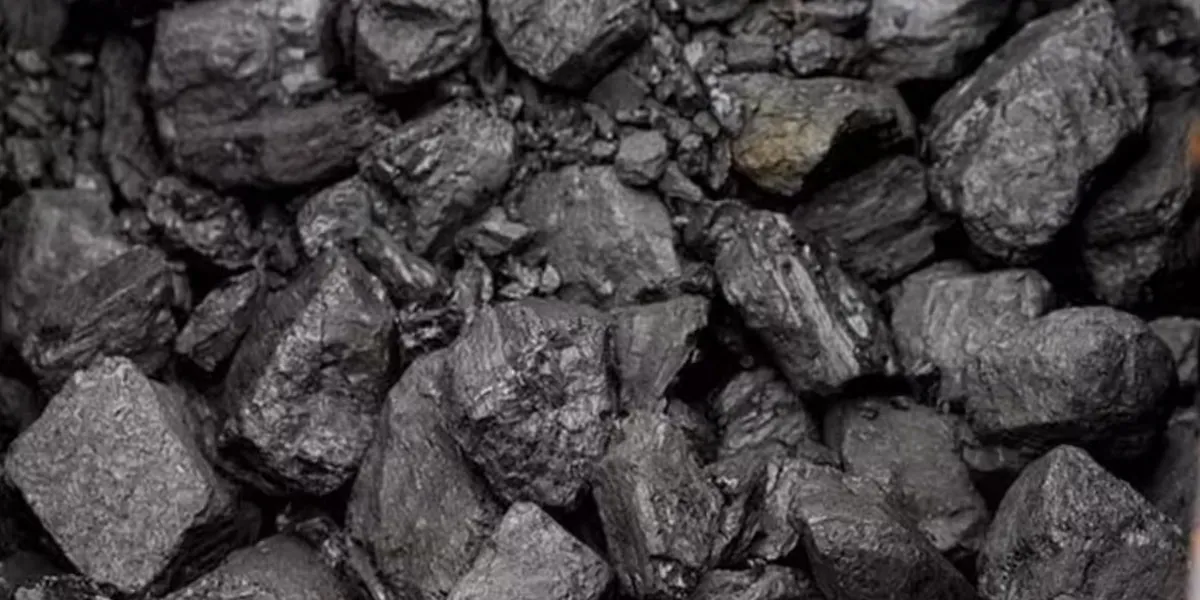
India Coal Role Strengthens Amid Gas Supply Crisis
India’s reliance on coal has intensified as disruptions in global gas supply chains expose vulnerabilities in the country’s energy mix, reinforcing the fuel’s central role in maintaining power stability across rapidly growing urban and industrial regions.Recent global developments, including geopolitical tensions affecting liquefied natural gas (LNG) flows, have tightened gas availability and driven up prices, limiting the viability of gas-based power generation. In response, coal has emerged as the primary balancing fuel, ensuring continuity of electricity supply during periods of peak demand.
Domestic coal availability has played a stabilising role in this context. Industry data indicates that strong production levels and adequate stockpiles have helped maintain a relatively balanced market, even as demand pressures increase. This buffer has allowed utilities to ramp up coal-based generation to offset shortfalls in gas supply, particularly during seasonal demand spikes.The shift is already visible on the ground. With gas shortages affecting both households and industries, several sectors have begun reverting to coal as an alternative fuel source. In urban areas, small businesses and service establishments have reported switching to coal-based systems to sustain operations amid limited access to gas. For India’s urban development trajectory, the implications are significant. Reliable energy supply remains fundamental to infrastructure expansion, housing delivery, and industrial productivity. Coal-based power continues to account for nearly three-quarters of the country’s electricity generation, making it indispensable for supporting large-scale urbanisation in the near term. However, the renewed dependence on coal also underscores structural challenges in India’s energy transition. While the country has made substantial progress in expanding renewable capacity, gas was expected to serve as a cleaner transition fuel. Current disruptions have exposed the risks associated with import dependence, particularly when supply chains are vulnerable to geopolitical shocks.
Policymakers are now exploring multiple pathways to strengthen energy security. These include expanding domestic coal utilisation through technologies such as coal gasification, which can convert coal into cleaner fuels and reduce reliance on imported hydrocarbons. At the same time, efforts are underway to accelerate renewable energy deployment and energy storage systems to gradually reduce the carbon intensity of the power sector.Industry experts note that coal’s role is likely to remain critical in the medium term, especially as electricity demand continues to grow alongside urbanisation and industrial expansion. The challenge lies in balancing this reliance with environmental commitments and long-term sustainability goals.From an urban planning perspective, the current phase highlights the need for resilient and diversified energy systems. Cities require not only reliable supply but also cleaner and more efficient infrastructure to manage rising demand without exacerbating environmental pressures.
As India navigates this complex transition, coal is expected to remain a cornerstone of energy security, even as the country works towards integrating cleaner alternatives. The evolving energy mix will play a decisive role in shaping the pace, cost, and sustainability of future urban growth.