



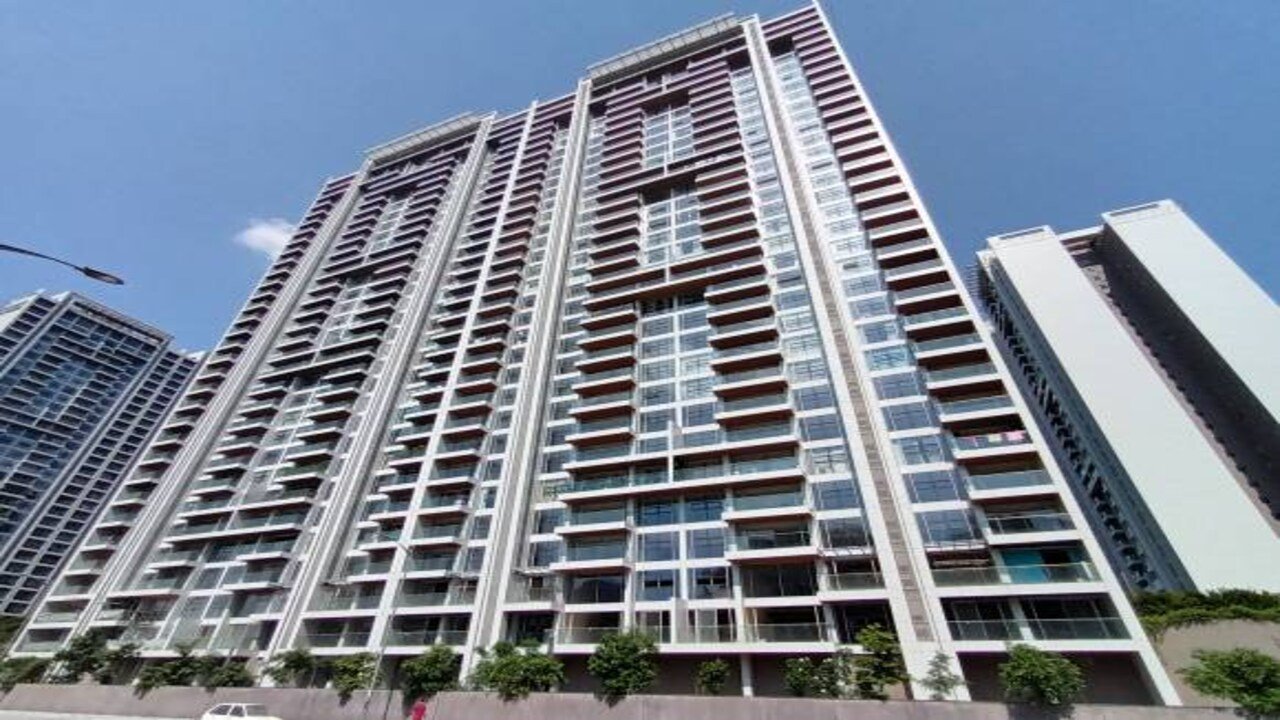
Nagpur’s Dr Babasaheb Ambedkar Convention Centre has entered an advanced operational phase, with most of its core facilities now functional even as work continues on a landmark statue within the premises. The development signals a significant addition to the city’s civic and institutional infrastructure, strengthening its capacity to host large-scale public, cultural, and administrative events. Built at an estimated cost of around ₹140 crore, the convention centre is now hosting activities across its primary facilities, including an auditorium, banquet hall, conference spaces, training halls, and accommodation units. Supporting infrastructure such as a reading room and smaller meeting venues has also been brought into use, indicating that the complex is largely ready for public and institutional engagement.
The project reflects a broader push to create multi-functional civic spaces in emerging urban centres. Convention infrastructure of this scale is increasingly seen as essential for attracting conferences, exhibitions, and government programmes, which in turn contribute to local economic activity and urban visibility. However, some components of the facility remain incomplete or underutilised. Plans for commercial amenities—including a bank branch, canteen, and retail spaces—are yet to be realised, with authorities indicating that earlier attempts to attract tenants did not receive adequate response. A revised strategy involving rental-based allotments is now being considered to activate these spaces and improve long-term financial sustainability. A prominent feature of the complex, a 40-foot statue dedicated to Dr B R Ambedkar, is currently about three-quarters complete and is expected to be finished within the next two months. The statue is designed to serve not only as a visual landmark but also as a symbolic anchor for the site, reinforcing its cultural and historical significance. From an urban development perspective, the phased operationalisation of the centre highlights a common challenge in large public infrastructure projects—aligning physical completion with functional activation. While core facilities may become usable early, complementary services often lag, affecting the overall user experience and economic viability. Officials have indicated that maintenance and operational costs are currently being met through a combination of revenue generated from event bookings and government budgetary support. This hybrid model reflects an evolving approach to managing public infrastructure, where self-sustaining mechanisms are gradually introduced alongside state funding. Urban planners note that such centres can play a vital role in decentralising economic and cultural activity away from metropolitan hubs. For Nagpur, often positioned as a logistics and administrative centre in central India, the addition of a fully functional convention facility could enhance its role as a regional hub for business events and public discourse.
At the same time, the success of the project will depend on how effectively remaining gaps are addressed. Activating commercial spaces, ensuring regular programming, and maintaining infrastructure quality will be critical to maximising utilisation. As Indian cities invest in large-format civic infrastructure, the focus is increasingly shifting from construction to performance—how these assets integrate into urban life, generate value, and contribute to inclusive, sustainable city-building over time.
ALSO READ – Surat Mumbai Local Train Plan With Toilets Gains Ground
Nagpur Convention Centre Near Completion With Key Facilities
