


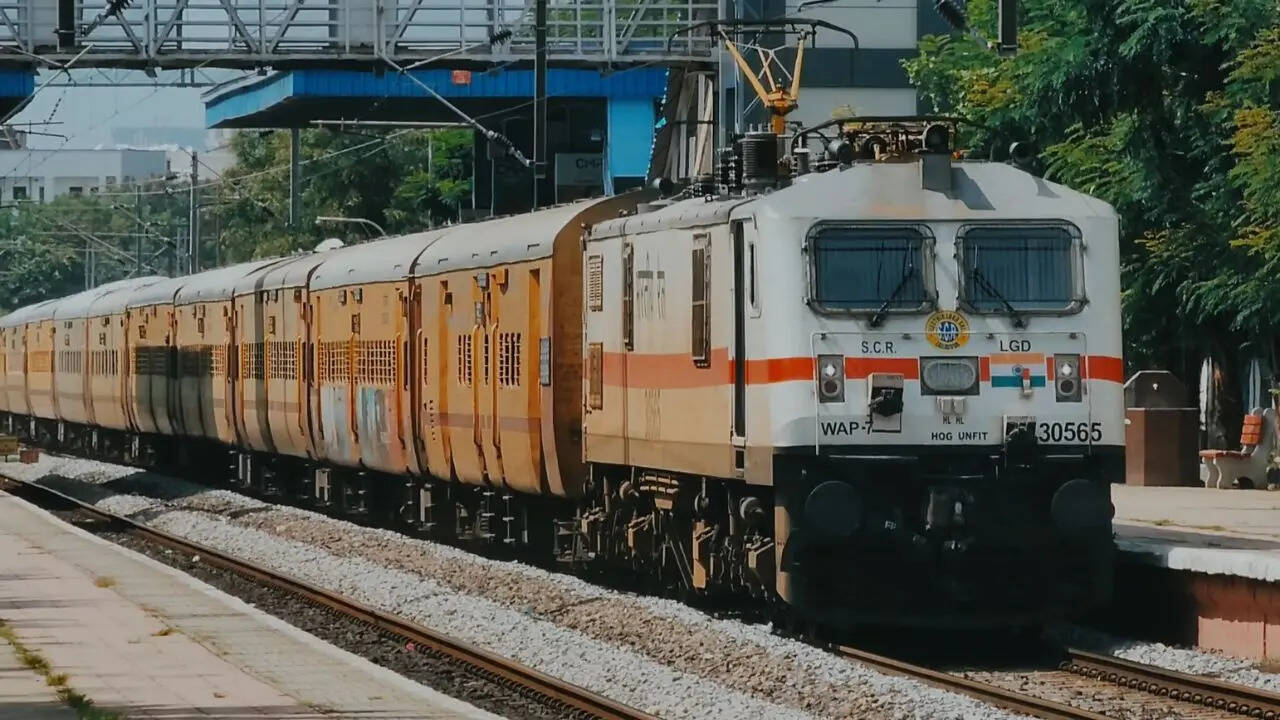
Rail connectivity between Surat and coastal Karnataka is set to remain uninterrupted through the peak summer travel season, with special train services on the Surat–Mangaluru route extended until the end of May. The move is aimed at accommodating rising passenger demand while reinforcing inter-regional mobility across key economic corridors. The bi-weekly special train connecting Surat and Mangaluru will now continue operations until May 31, with return services extended into early June. The service runs multiple times a week, linking Gujarat’s industrial hub with Karnataka’s coastal belt through the Konkan corridor.
Railway authorities have also extended similar services on the Ahmedabad–Mangaluru route, indicating a broader effort to manage seasonal travel demand across western India. These extensions come in response to increased passenger volumes during summer months, when migrant movement, tourism, and business travel typically surge. For Surat, the extension strengthens its role as a critical node in India’s inter-state transport network. The city’s large workforce, including migrant populations linked to textile and diamond industries, relies heavily on long-distance rail connectivity to southern states. Continued availability of such services ensures smoother mobility for workers, particularly those travelling between Gujarat and Karnataka. The extension also reflects a growing emphasis on flexible, demand-responsive rail operations. Special trains—often introduced during peak seasons—are increasingly being used as a tool to manage fluctuations in passenger traffic without permanently altering schedules. In this case, the decision to continue services beyond their initial timeline signals sustained demand on the corridor. From an urban and economic perspective, improved rail connectivity supports more than just passenger movement. It facilitates labour mobility, supports trade linkages, and strengthens regional integration between industrial and port-based economies. Surat’s position as a manufacturing hub and Mangaluru’s role as a coastal gateway make this route strategically important. Urban transport experts note that such inter-city rail links are essential for balanced regional development. By connecting mid-sized cities and economic clusters, they reduce pressure on larger metropolitan hubs while enabling distributed growth. This aligns with broader national efforts to strengthen tier-II and tier-III city networks through infrastructure investment. At the same time, the reliance on “special” train services highlights capacity constraints within the existing rail system. While extensions provide short-term relief, long-term planning may require converting high-demand routes into regular services with predictable schedules and pricing structures.
Passenger groups have welcomed the move, citing improved travel flexibility during a period of high demand. However, the next phase of development will depend on how effectively such temporary measures translate into permanent connectivity solutions. As India’s urban corridors continue to expand, rail infrastructure will play a central role in shaping mobility patterns. For cities like Surat, sustained connectivity is not just about travel convenience—it is a key enabler of economic continuity, workforce movement, and resilient urban growth.
ALSO READ – Surat Premium Residential Areas See Rising Demand
Surat Mangaluru Special Train Extended Till May End
