


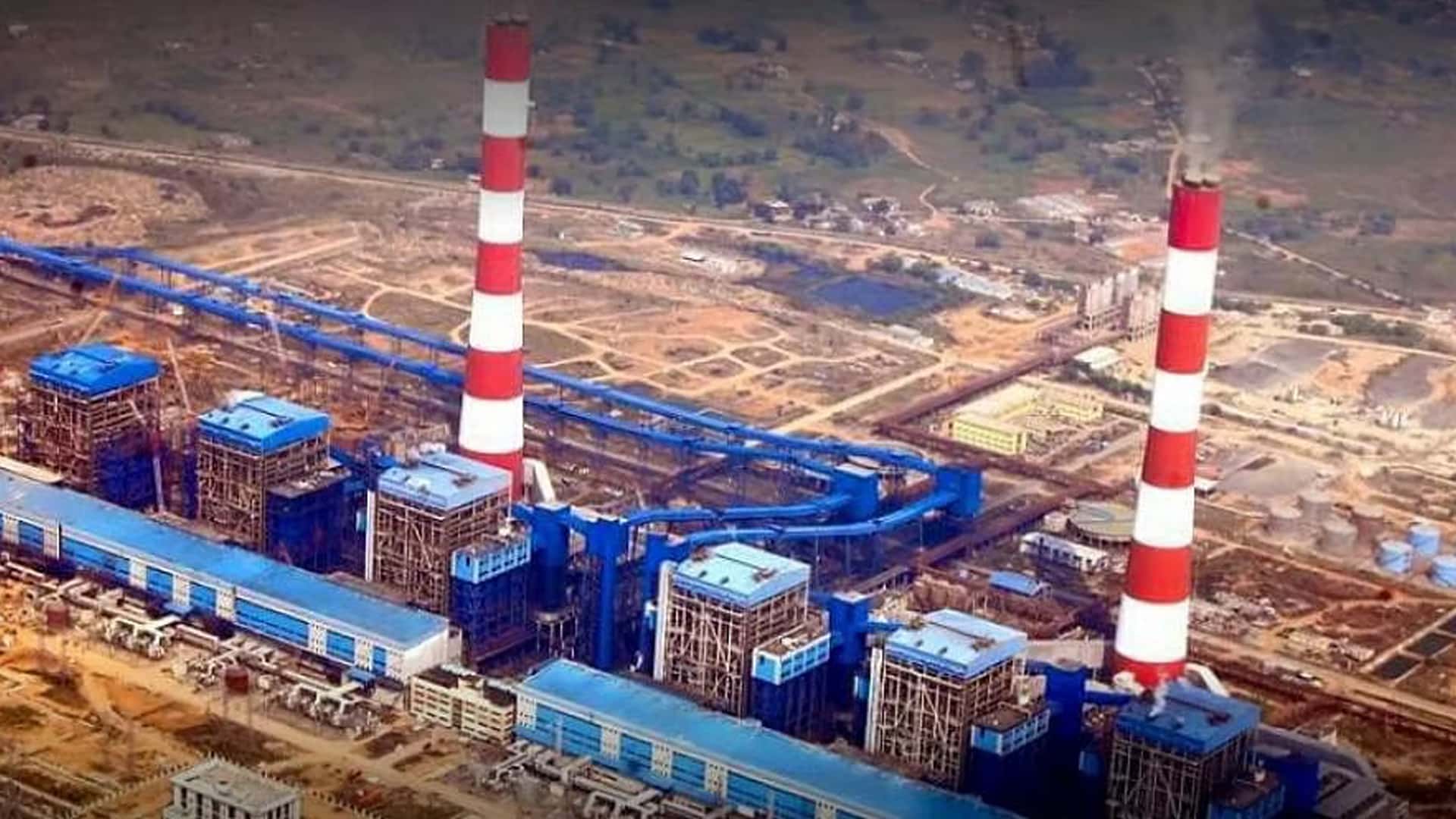
Industrial units across Indore’s manufacturing belt are confronting a sharper squeeze in fuel availability, with piped natural gas (PNG) supply reduced to nearly half of typical consumption levels. The tightening supply, now down to around 55%, is raising concerns over production continuity in one of central India’s key industrial regions and signalling broader vulnerabilities in energy-dependent urban economies. The latest curtailment affects clusters such as Pithampur and Sanwer Road, where a dense concentration of engineering, pharmaceutical, food processing and packaging units rely heavily on PNG as a cleaner industrial fuel. Industry representatives indicate that the reduced allocation is already forcing units to reassess output schedules, with some considering scaling down operations or shifting to more expensive alternatives like furnace oil or spot liquefied natural gas.
This disruption is part of a wider recalibration of gas distribution triggered by global supply constraints. Ongoing geopolitical tensions in West Asia have disrupted liquefied natural gas shipments, prompting authorities to prioritise domestic consumption such as household cooking gas and transport fuels. As a result, industrial users—particularly small and medium enterprises—are absorbing a disproportionate share of the supply cuts. The impact extends beyond immediate fuel shortages. Rising input costs are beginning to alter production economics across sectors. Spot LNG prices have surged significantly, placing additional financial strain on manufacturers operating on thin margins. For export-oriented units and ancillary industries linked to larger supply chains, this could translate into delayed deliveries, reduced competitiveness, and potential job implications if disruptions persist. Urban economists note that Indore’s situation reflects a structural challenge facing rapidly industrialising cities. As manufacturing clusters expand, dependence on single-source or imported energy exposes them to external shocks. Indore, often positioned as a gateway to central India’s industrial growth, hosts a large base of MSMEs that are particularly sensitive to fluctuations in fuel supply and pricing. The current phase of the PNG supply cuts also raises questions about energy transition pathways in urban-industrial ecosystems. While PNG is promoted as a relatively cleaner alternative to coal and liquid fuels, inconsistent supply may push industries back towards more polluting substitutes, undermining climate and air quality goals in growing cities.
Industry bodies have begun seeking policy support, including tax relief on alternative fuels and more predictable allocation frameworks. There is also renewed interest in diversifying energy sources, including solar and hybrid systems, though such transitions require upfront investment and time—constraints for many MSMEs. As supply uncertainties continue, the focus is likely to shift towards building more resilient energy systems within industrial regions. For cities like Indore, balancing industrial growth with stable, cleaner energy access will be critical—not only for economic momentum but also for ensuring that urban expansion aligns with long-term sustainability and climate resilience goals.
ALSO READ – Indore Buildings Face 15 Day Fire Safety Deadline
Indore Gas Supply Cuts Threaten Industrial Output
