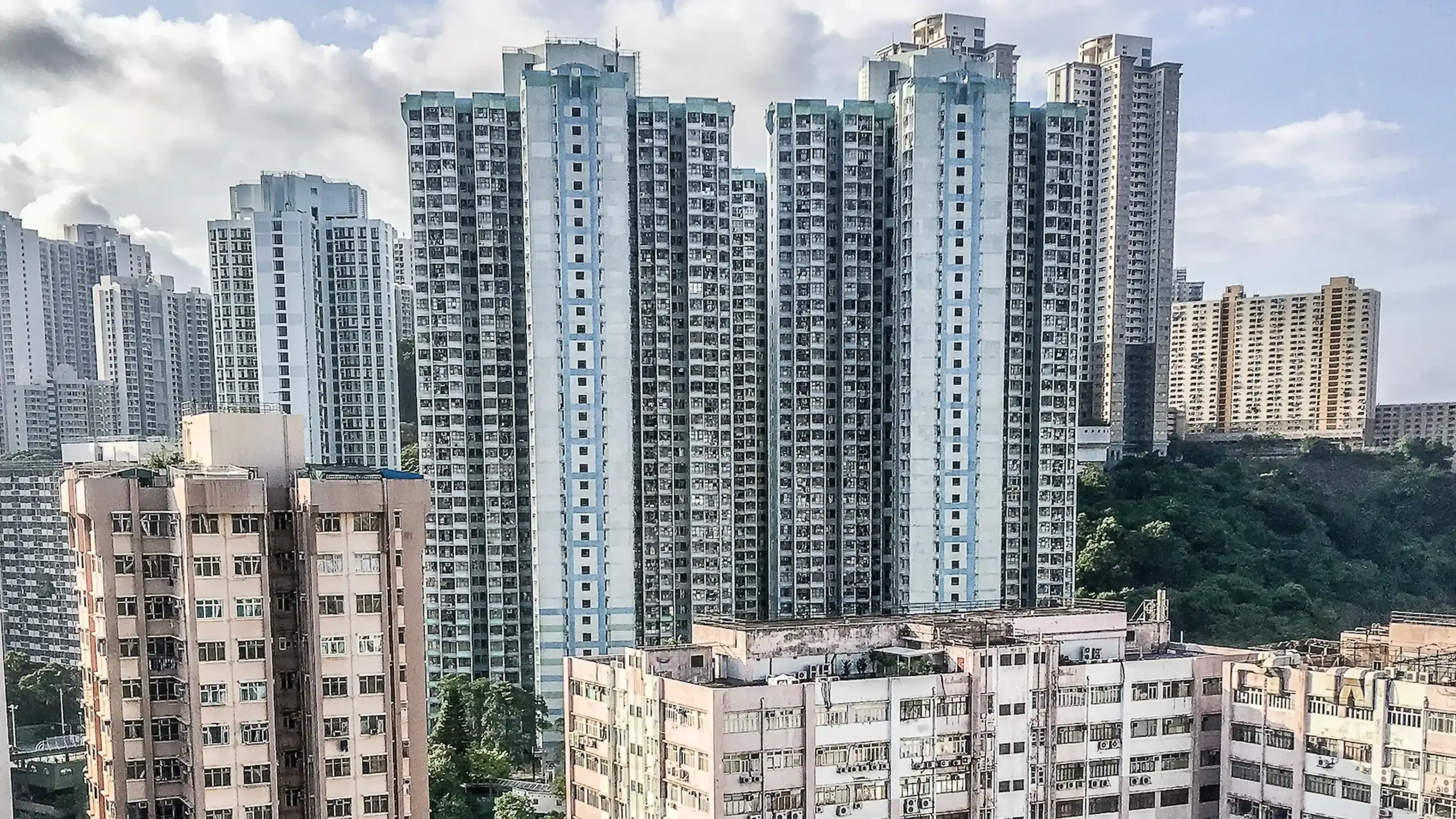
A new residential development pipeline emerging in Punawale is reinforcing western Pune’s position as one of the city’s fastest-growing housing corridors, as developers respond to sustained demand for mid-income and aspirational housing. The shift reflects broader urban expansion patterns, where peripheral micro-markets are increasingly absorbing population and investment spillover from established city centres.
The Punawale housing project cluster is gaining traction due to its proximity to key employment hubs such as Hinjewadi’s IT parks and improved access to arterial road networks. For homebuyers, the area offers relatively lower entry costs compared to core locations, while still maintaining connectivity to workplaces and essential services. Urban planners note that Punawale’s growth is closely tied to infrastructure-led expansion in west Pune. Ongoing and planned upgrades to road corridors, coupled with metro connectivity in nearby zones, are gradually reshaping commuting patterns. This has made previously peripheral areas more viable for long-term residential development, particularly for first-time buyers and young professionals.
The Punawale housing project trend also highlights a structural shift in housing preferences. Post-pandemic demand has leaned towards larger homes, integrated townships, and access to open spaces. Developers in this micro-market are increasingly incorporating such features, alongside basic social infrastructure such as schools, healthcare facilities, and retail spaces, to create self-sustained communities. From a real estate perspective, the western corridor has remained relatively resilient despite short-term fluctuations in housing sales across major Indian cities. Market analysts point out that while quarterly sales volumes may show periodic dips, underlying demand in cities like Pune continues to be supported by employment growth and inward migration.
However, the pace of development raises important questions around infrastructure readiness. Experts caution that rapid residential expansion without parallel upgrades in civic amenities—such as water supply, drainage, and public transport—can strain local ecosystems. Ensuring that growth remains aligned with sustainable urban planning principles will be critical for avoiding long-term congestion and environmental stress. Environmental considerations are particularly relevant in emerging suburbs like Punawale, where increasing construction activity can impact natural drainage patterns and green cover. Integrating climate-responsive design, efficient resource use, and adequate open spaces into new developments will be key to maintaining liveability as density rises.
At a broader level, the expansion of housing in west Pune reflects the city’s transition towards a polycentric urban model, where multiple growth nodes reduce pressure on traditional cores. Such decentralisation can improve overall urban efficiency, provided it is supported by robust infrastructure and governance frameworks. As the Punawale housing project pipeline continues to evolve, its long-term success will depend on balancing affordability, connectivity, and sustainability. For Pune’s urban future, the challenge lies in ensuring that rapid growth translates into inclusive and resilient neighbourhoods rather than fragmented suburban sprawl.
Pune Punawale Housing Project Drives Western Corridor growth