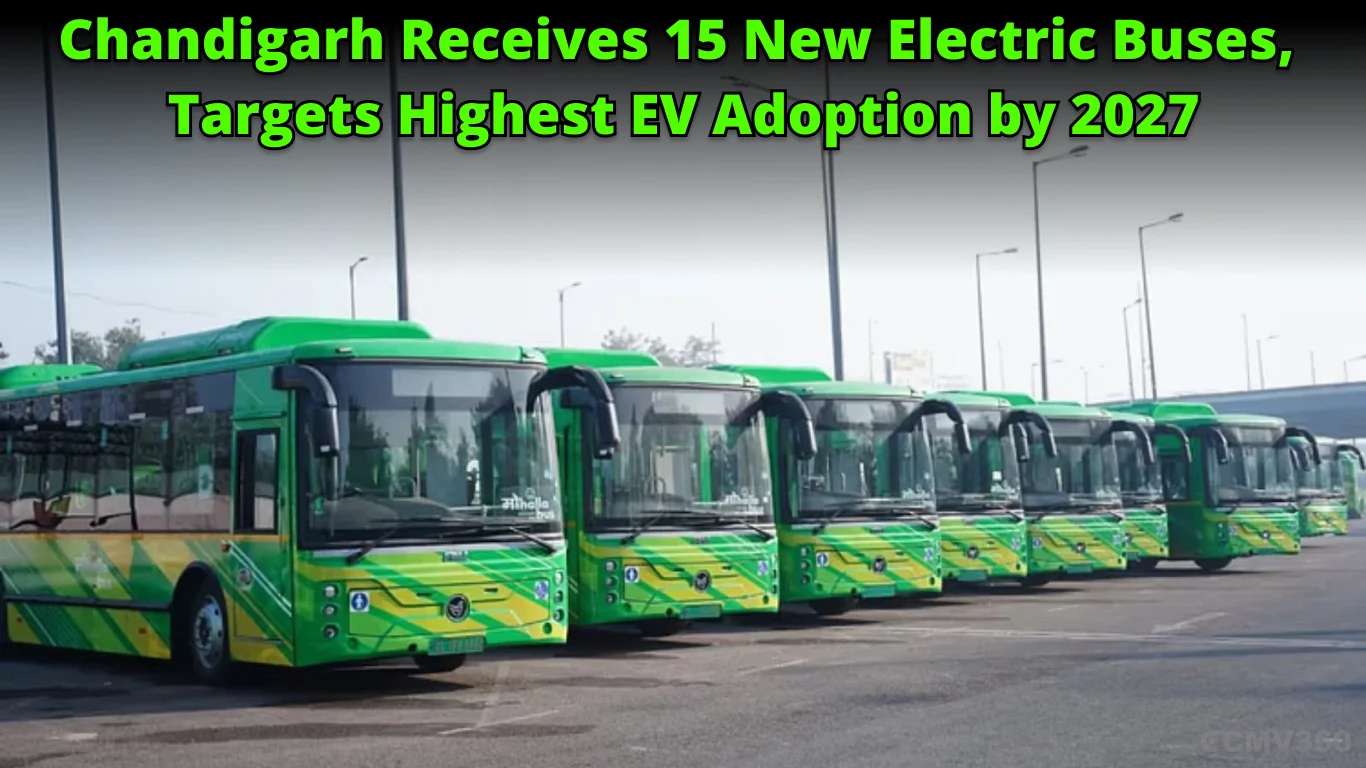
Chandigarh EV Bus Transition Targets Full Diesel Phaseout
Chandigarh is preparing to phase out the remaining diesel buses from its public transport system by 2028, signalling one of the most ambitious clean-mobility transitions among medium-sized Indian cities. The move matters because the city’s bus network is the backbone of daily travel across the Chandigarh–Mohali–Panchkula urban region, and replacing diesel buses with electric ones could significantly reduce emissions while reshaping how public transport is planned.
Officials involved in the transport planning process say the strategy focuses on gradually replacing ageing diesel vehicles as they complete their operational lifespan rather than retiring the fleet all at once. More than 350 diesel buses currently operate across local and suburban routes in the Tricity, many of which are expected to be phased out in stages over the next three years. Earlier announcements by the administration had already set a target of converting the entire fleet to electric buses by 2026–27, but delays in procurement and approval processes have pushed the timeline further. In several cases, buses that were due for replacement have continued to operate because electric replacements were yet to arrive. This has forced the administration to adopt a phased approach, combining new electric buses with temporary alternatives while the transition continues.
The shift is closely linked to the city’s broader electric-mobility policy, which sets ambitious targets for the adoption of zero-emission vehicles across multiple categories, including public transport. Official policy documents indicate that electric buses are expected to form a large share of the future fleet, supported by charging infrastructure at depots and key transport hubs. Urban mobility experts say the transition could transform travel patterns in the Tricity if implemented effectively. Electric buses are quieter, cheaper to operate over time and produce no tailpipe emissions, which makes them particularly important for planned cities like Chandigarh that aim to maintain low pollution levels. The impact could be especially visible in high-traffic corridors linking Chandigarh with Mohali, Panchkula and surrounding towns where bus ridership remains strong.
At the same time, the transition highlights the challenges cities face while moving toward cleaner public transport. Electric buses require charging infrastructure, upgraded depots and changes in fleet management. A city-level transport business plan has already projected that the fleet could expand significantly in the coming years, which means electrification will have to be combined with service expansion rather than simply replacing existing buses. The plan to eliminate diesel buses by 2028 therefore represents more than a procurement exercise. It signals a shift toward long-term climate-resilient mobility planning, where public transport is expected to reduce emissions while meeting the growing travel demand of an expanding urban region.
If the implementation stays on track, Chandigarh could become one of the first medium-sized Indian cities to operate a nearly fully electric bus system. For commuters, the most visible changes will likely be quieter travel, improved ride quality and more reliable services, while for the city the transition could play a crucial role in strengthening sustainable and people-centred urban transport over the next decade.