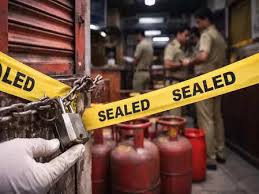
Patna’s urban fuel distribution system is under severe strain as the backlog of pending cooking-gas deliveries continues to remain above 1.5 lakh bookings despite a gradual increase in cylinder supply. The situation matters not only as a consumer inconvenience but also as a warning sign of how vulnerable fast-growing cities remain when essential services depend on fragile supply chains.
The crisis has unfolded over the past few weeks as residents across the city reported long waiting periods after booking cylinders, with many households forced to rely on temporary alternatives or reduce daily cooking. A recent news report also highlighted complaints of “ghost deliveries”, where cylinders are shown as delivered in the system but do not reach the customer, adding to public frustration and further delaying the clearing of the backlog. While supply has reportedly started to improve, industry observers say the scale of pending orders has made it difficult for distributors to normalise operations quickly. LPG distribution in cities like Patna depends on a tightly synchronised chain — from bottling plants to local agencies and doorstep delivery — meaning even a short-term disruption can take weeks to stabilise. Similar supply pressures have been reported in other Indian cities, where authorities have had to step in to prevent hoarding and black-market sales.
The problem is not entirely local. International reports indicate that India has been facing a wider LPG supply crunch following disruptions to global energy routes in West Asia, with imports accounting for a major share of domestic demand. This has particularly affected cities that rely heavily on bottled gas rather than piped natural gas infrastructure. Urban planners say the current Patna LPG crisis highlights a deeper infrastructure gap. Unlike larger metros where piped gas networks are expanding rapidly, many tier-2 cities still depend almost entirely on cylinder-based distribution. This makes them more vulnerable to sudden supply shocks, panic buying and logistical bottlenecks. As the city grows and population density increases, even small disruptions can escalate into a major urban-services crisis.
There are also economic implications. Delays in cylinder supply affect not only households but also small food businesses, street vendors and low-income families who cannot afford alternative cooking options. In cities with limited public transport and high dependence on informal employment, a disruption in basic utilities often translates into lost income and higher living costs for the most vulnerable residents. Recent discussions among residents on online forums and local social media groups reflect growing anxiety about waiting periods, booking delays and inconsistent deliveries. While some users report receiving cylinders within a few days, others say the waiting time has stretched to several weeks, suggesting uneven supply across neighbourhoods.
The immediate challenge for authorities will be clearing the existing backlog quickly and restoring confidence in the distribution system. In the longer term, the Patna LPG crisis may strengthen the case for expanding piped-gas networks and diversifying urban energy infrastructure — a shift that could make rapidly growing cities more resilient to future supply disruptions.