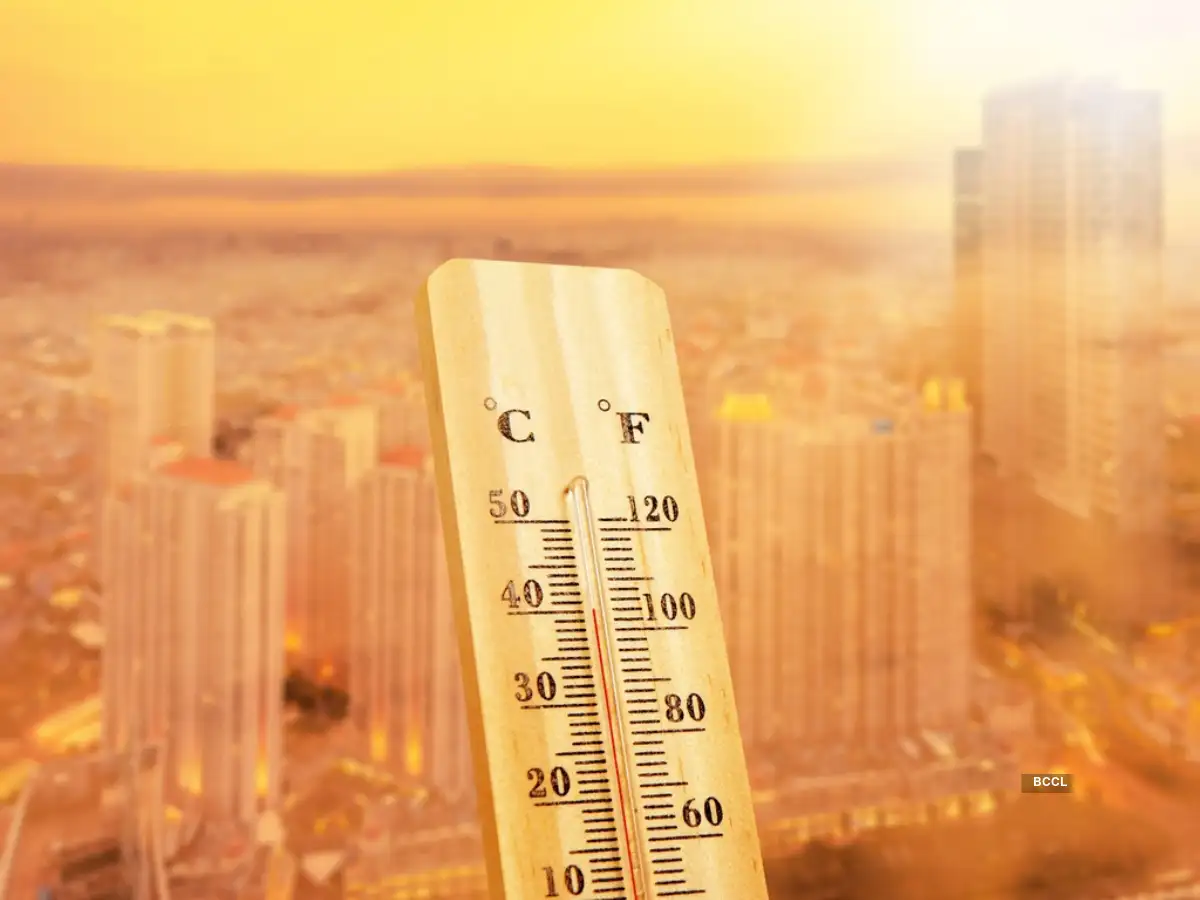
After days of intense heat across Pune district, meteorological forecasts indicate an imminent shift in weather patterns, with rainfall and thunderstorms expected to bring temporary relief early next week. The development comes as temperatures in several parts of the city have already crossed the 40°C mark, underscoring the growing intensity of pre-summer heat conditions.
The latest Pune weather alert points to the likelihood of scattered rainfall accompanied by lightning and gusty winds across both urban and adjoining hill regions. Weather officials suggest that these conditions are part of early pre-monsoon activity, which typically begins to influence western Maharashtra towards the end of March. For a rapidly urbanising city like Pune, such fluctuations are more than seasonal variations—they are increasingly tied to broader climate trends. Urban climate researchers note that rising surface temperatures, combined with changing wind and moisture patterns, are making heatwaves more frequent and intense. The arrival of short-duration rainfall events, while offering immediate relief, also highlights the unpredictability of weather cycles in growing metropolitan regions.
The Pune weather alert comes at a time when built-up areas are experiencing heightened heat retention due to reduced green cover and expanding concrete surfaces. Known as the urban heat island effect, this phenomenon can amplify daytime temperatures and delay night-time cooling, increasing stress on both infrastructure and public health systems. From a civic standpoint, sudden thunderstorms and high wind speeds can pose operational challenges. Power supply interruptions, waterlogging in low-lying areas, and disruptions to transport networks are common during such weather transitions. Authorities typically advise caution, particularly due to the risks associated with lightning and falling debris during gusty conditions.
There are also implications for water resource management. While pre-monsoon showers contribute marginally to groundwater recharge, they are not sufficient to offset long-term deficits. Experts emphasise the need for cities like Pune to invest in sustainable water management systems, including rainwater harvesting and improved drainage infrastructure, to better utilise such intermittent rainfall. For residents, the immediate impact is likely to be a respite from the ongoing heat, though the relief may be short-lived. Health experts caution that rapid changes in temperature and humidity can affect vulnerable populations, particularly the elderly and outdoor workers.
More broadly, the evolving weather pattern signals the onset of seasonal transition, with pre-monsoon activity expected to intensify in the coming weeks. For urban planners and policymakers, it reinforces the importance of climate-responsive infrastructure—ranging from heat-resilient building design to improved stormwater systems. As Pune continues to expand, adapting to these shifting climate realities will be critical to maintaining liveability and resilience in the face of increasingly volatile weather conditions.