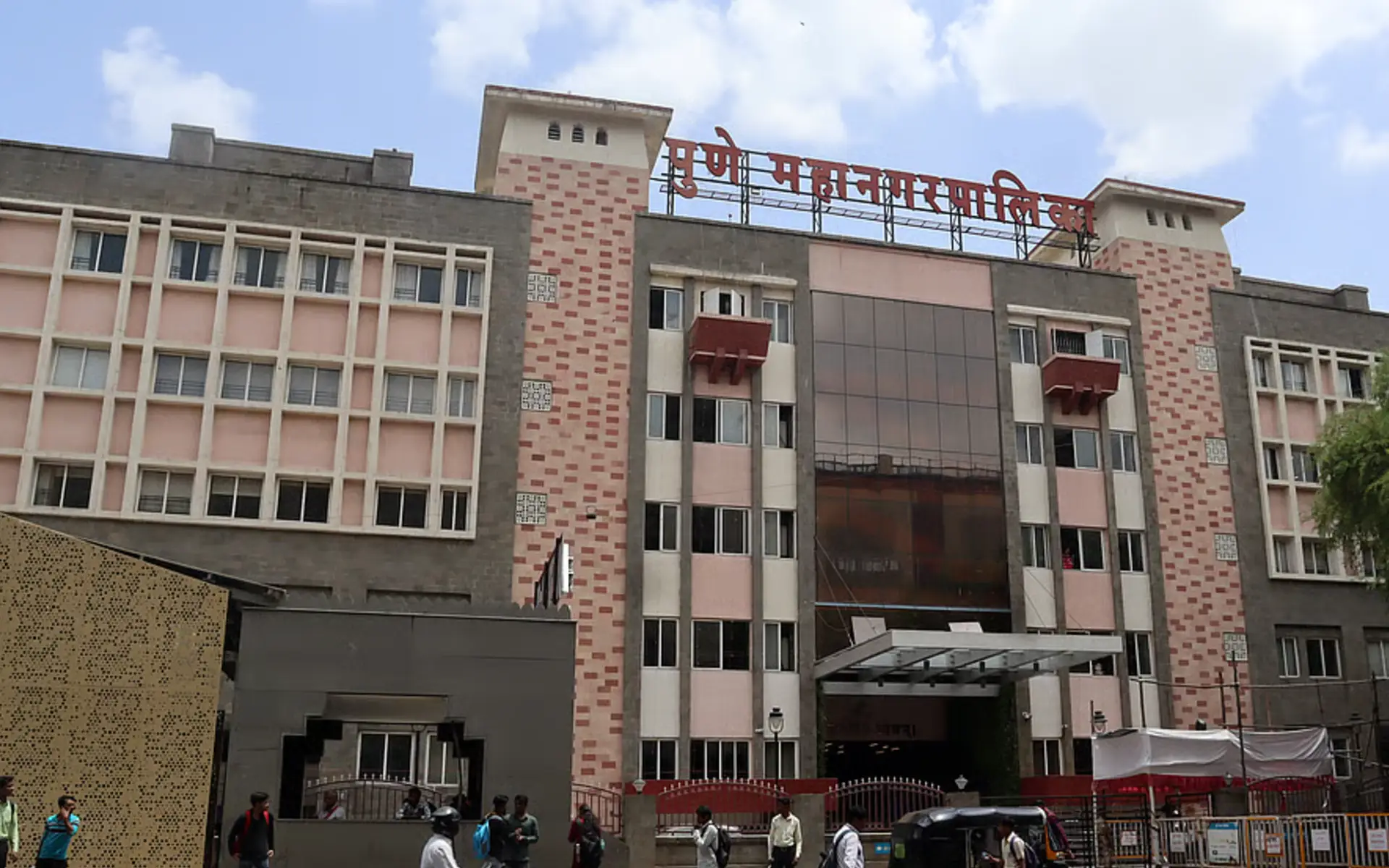
Pune’s municipal finances are under scrutiny as elected representatives question the growing scale of committed spending on infrastructure projects without corresponding budget allocations. Concerns raised within the civic body suggest that up to ₹1,500 crore from the upcoming financial year could be pre-committed, potentially restricting the city’s ability to fund new development works.
At the centre of the debate is the increasing reliance on provisions that allow the administration to approve projects by committing future revenues. While such mechanisms are designed to enable continuity in infrastructure delivery, members across the political spectrum have indicated that overuse could weaken fiscal discipline. The emerging Pune civic budget strain highlights a broader challenge faced by rapidly expanding cities—balancing immediate infrastructure needs with long-term financial sustainability. Officials familiar with the discussions indicate that several large projects initiated over the past year did not have substantial upfront allocations. Instead, they were approved with staggered funding plans, spreading costs across multiple years. While this approach helps accelerate project initiation, it also locks future budgets into existing commitments, leaving limited flexibility for new priorities.
Urban finance experts note that ideally, a significant portion of project funding should be secured before execution begins. Without this, municipalities risk creating a backlog of liabilities that can constrain capital expenditure in subsequent years. In Pune’s case, the cumulative effect of such decisions appears to be surfacing now, as multiple projects compete for limited fiscal space. The issue also has implications for urban equity and service delivery. When large infrastructure commitments dominate budgets, smaller but essential works—such as local road improvements, drainage upgrades, or neighbourhood amenities—can face delays. This imbalance can disproportionately affect communities that rely on incremental civic improvements rather than marquee projects.
The Pune civic budget strain has also prompted calls for greater transparency and accountability in project approvals. Elected members have sought a detailed assessment of financial liabilities incurred over the past year, signalling a push towards more structured financial planning. Such reviews are critical in ensuring that infrastructure expansion aligns with realistic revenue projections. Debate around a proposed high-value traffic intervention in the western part of the city further underscored tensions between ambition and affordability. While large-scale mobility projects are seen as essential for supporting economic growth and easing congestion, they also require sustained financial commitments that extend beyond a single budget cycle.
From a broader urban development perspective, the situation reflects a common dilemma in Indian cities: how to finance growth without overextending public resources. Experts argue that diversifying revenue streams, improving tax collection efficiency, and exploring alternative financing models such as public-private partnerships could help mitigate such pressures.
As Pune continues to expand, the ability of its civic administration to manage finances prudently will play a decisive role in shaping infrastructure outcomes. The coming months, particularly the review of existing liabilities, are likely to determine how the city balances ongoing commitments with emerging development needs.
Pune Civic Budget Strain Raises Project Concerns