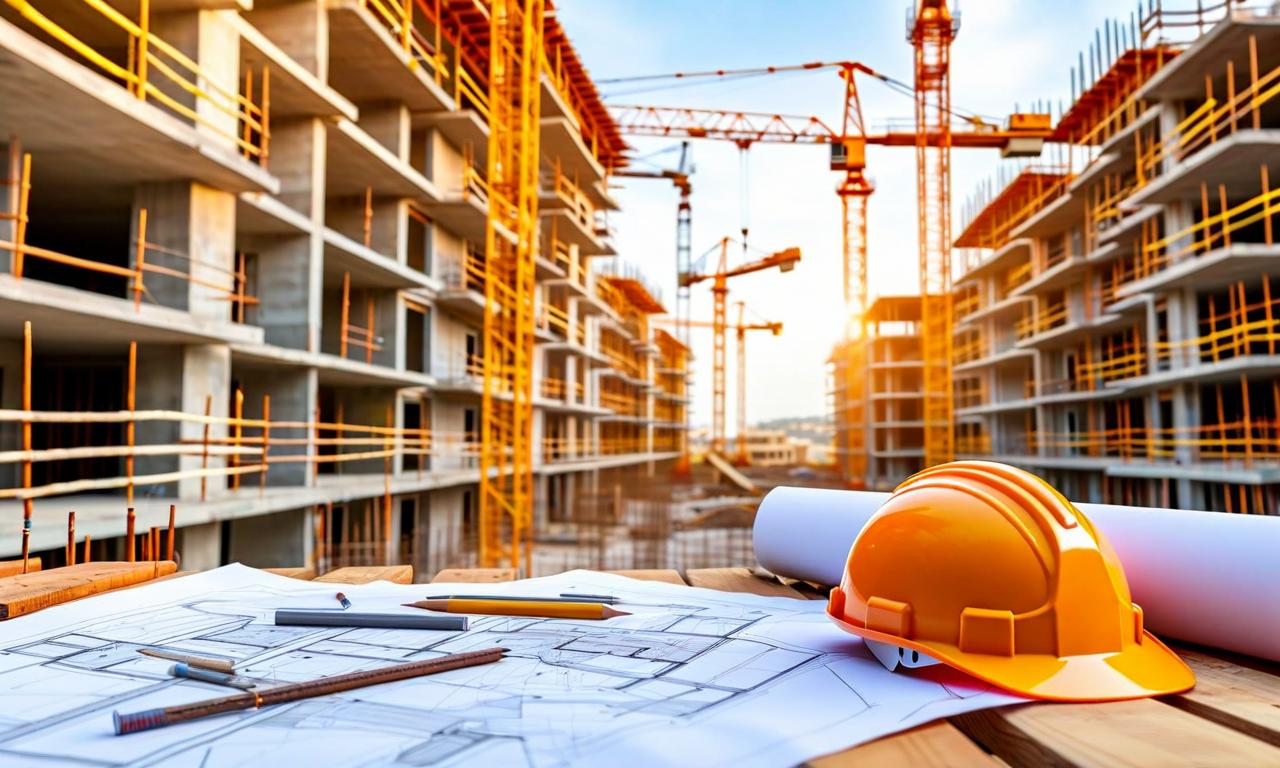
Arvind SmartSpaces has entered Mumbai’s society redevelopment segment with a residential project in Santacruz West, marking a strategic expansion into one of the city’s most competitive urban housing markets. The project, with an estimated revenue potential of ₹300 crore, reflects the growing role of redevelopment in addressing land scarcity and upgrading ageing residential stock across the Mumbai Metropolitan Region.
The planned development will be executed on an existing housing society plot in Santacruz West, generating approximately 42,000 square feet of saleable carpet area. Located within a well-established residential corridor, the site benefits from strong connectivity and proximity to key economic and social infrastructure, making it attractive for both end-users and investors. Santacruz West has emerged as a high-demand micro-market due to its central location along Mumbai’s western suburban belt. It is closely linked to major commercial centres and transport networks, including the suburban railway system, arterial road corridors, and the city’s primary airport. Improved east–west connectivity through link roads has further enhanced accessibility, strengthening the area’s position as a preferred residential destination.
Urban planners view such projects as essential to Mumbai’s long-term growth strategy. With limited availability of greenfield land, redevelopment offers a viable mechanism to increase housing supply while improving building quality and infrastructure efficiency. Modern redevelopment projects typically incorporate better structural safety standards, enhanced ventilation, and more efficient energy and water systems—key elements in building climate-resilient urban environments. The Santacruz redevelopment project also reflects a broader shift in the real estate sector towards structured partnerships and capital-efficient development models. Industry observers note that developers are increasingly leveraging joint development arrangements to reduce upfront land acquisition costs while expanding their footprint in high-value urban locations.
At the same time, redevelopment in Mumbai involves complex stakeholder coordination, including negotiations with existing residents, regulatory approvals, and rehabilitation planning. Ensuring timely delivery and maintaining transparency throughout the process remain critical to sustaining trust in the segment. Experts emphasise that inclusive redevelopment—balancing the needs of current occupants with new buyers—is central to achieving equitable urban transformation. The company’s entry into Mumbai’s redevelopment market builds on its broader regional expansion strategy, which includes township and residential developments in peripheral locations within the metropolitan region. This dual approach—targeting both central redevelopment opportunities and greenfield projects—reflects evolving developer strategies aimed at capturing diverse segments of housing demand.
As Mumbai continues to grapple with population pressures and infrastructure constraints, redevelopment-led growth in established neighbourhoods like Santacruz is expected to play a key role in shaping the city’s housing landscape. The challenge ahead will be to align such projects with sustainable planning principles, ensuring that increased density is supported by adequate infrastructure, mobility solutions, and environmental safeguards.
Arvind SmartSpaces Enters Mumbai Redevelopment With Santacruz Project Worth Rs 300 crore