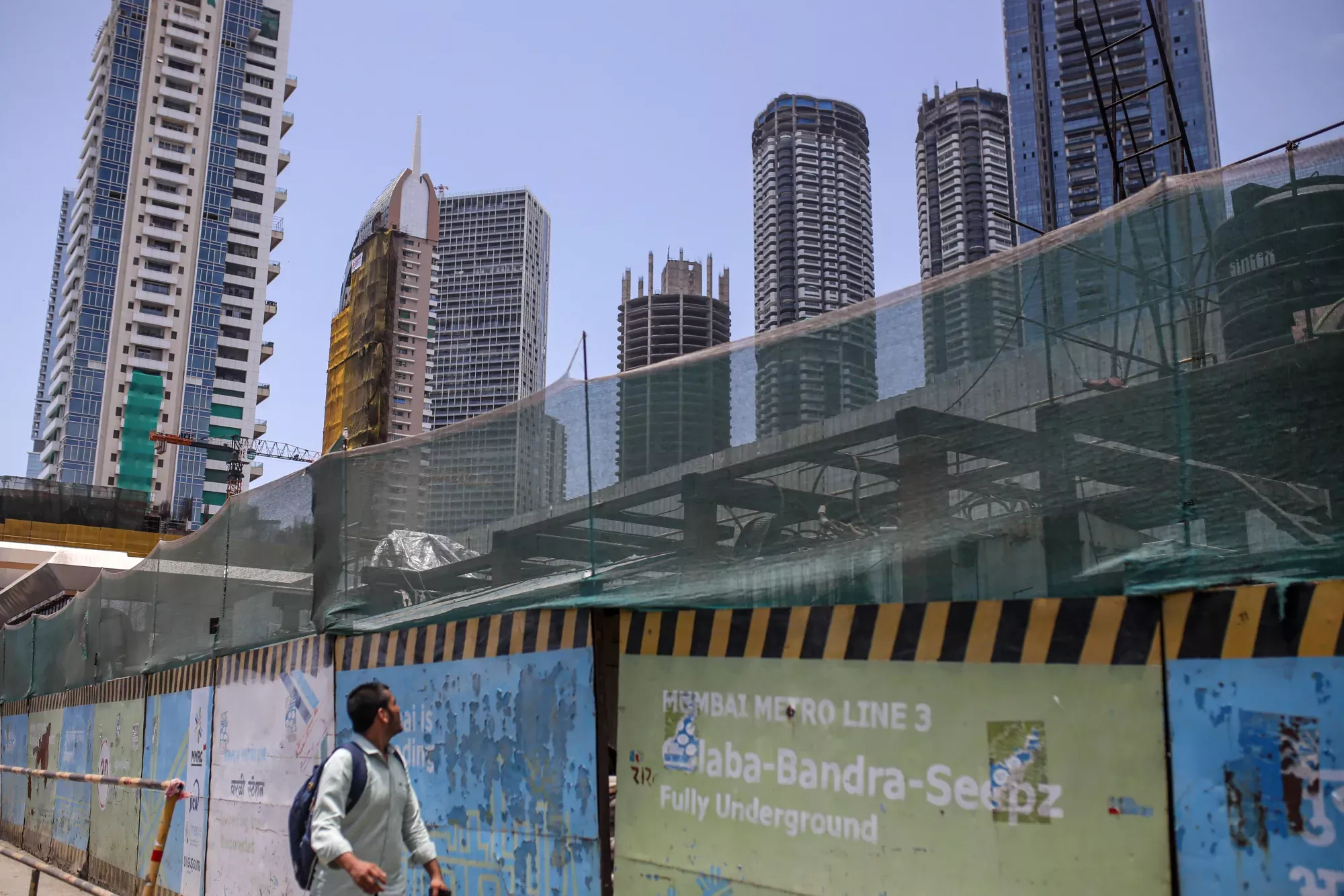
A fresh wave of Mumbai housing redevelopment is taking shape in the city’s western suburbs, as a major real estate arm of a diversified conglomerate secures rights to rebuild two ageing residential societies in Khar West. The project, structured through a joint development arrangement with a local developer, signals both renewed investor confidence and the accelerating transformation of legacy housing stock in high-value neighbourhoods.
The redevelopment covers two co-operative housing societies located in a dense, transit-linked part of Khar West an area where land scarcity and ageing buildings have increasingly pushed societies towards redevelopment as a viable path to modernisation. With an estimated revenue potential of ₹1,700 crore, the project reflects the growing scale at which organised developers are entering Mumbai housing redevelopment, a segment once dominated by smaller, local players. Industry experts note that redevelopment in Mumbai is no longer limited to replacing old buildings with newer ones. It is now tied to broader urban priorities, including improved safety standards, better utilisation of limited land, and enhanced infrastructure integration. In suburbs like Khar, where access to rail corridors and arterial roads drives property demand, redevelopment projects are also expected to ease pressure on informal modifications and ageing structural systems.
Urban planners highlight that such projects can influence not just real estate markets but also liveability outcomes. Modern redevelopment typically incorporates updated fire safety systems, more efficient layouts, and, increasingly, sustainability features such as energy-efficient materials and water management systems. While these elements are not always uniform across projects, regulatory frameworks and buyer expectations are gradually pushing developers to align with climate-resilient building practices. The entry of a large, institutional developer into its first housing-focused project of this scale also points to a strategic shift. Analysts suggest that redevelopment offers relatively lower land acquisition risks compared to greenfield projects, especially in land-constrained cities like Mumbai. However, it comes with its own complexities ranging from resident negotiations and rehabilitation timelines to regulatory approvals and cost escalations.
For residents of older co-operative societies, redevelopment often represents a trade-off between temporary displacement and long-term asset appreciation. A senior housing sector expert observed that while financial gains are a key driver, factors such as improved living standards, accessibility, and compliance with evolving building norms are becoming equally significant. As Mumbai continues to grapple with space constraints and infrastructure stress, Mumbai housing redevelopment is expected to remain a central pillar of the city’s growth strategy. The success of such projects will likely depend on timely execution, transparent stakeholder engagement, and the integration of sustainability measures that align with the city’s long-term urban resilience goals.