



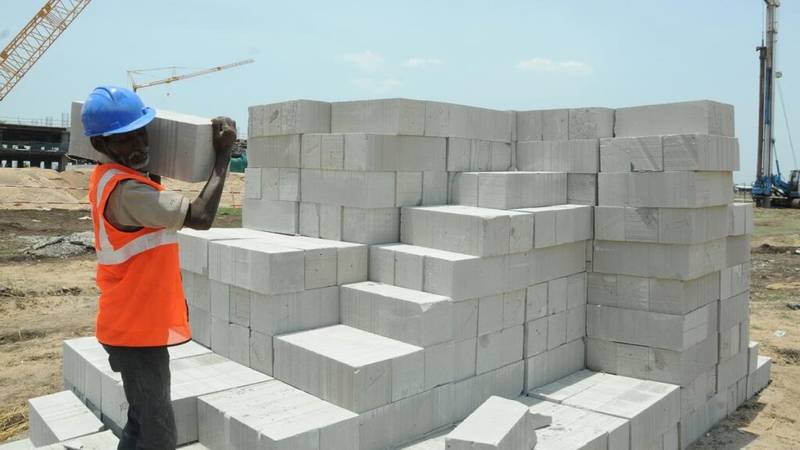
A sharp rise in construction costs is beginning to reshape project economics in Chennai, as global supply disruptions linked to tensions in West Asia ripple through local building markets.
Developers and contractors say the price volatility is already affecting timelines, procurement decisions, and housing affordability, raising fresh concerns for an urban economy heavily reliant on steady real estate growth.At the centre of the issue is the spike in key inputs such as steel, cement, and fuel, all of which are sensitive to international trade routes and energy markets. Industry executives indicate that freight costs and material imports have become unpredictable, pushing contractors to revise budgets mid-project. This has made construction cost escalation a pressing concern for both ongoing and upcoming developments.For a city like Chennai, where residential expansion and infrastructure upgrades are closely tied to economic momentum, rising construction costs carry broader implications. Urban planners note that cost pressures could delay housing supply, especially in mid-income segments, where margins are already tight. This may widen the gap between demand and availability, potentially pushing property prices upward in select corridors.Developers are also reworking project strategies to absorb or offset the impact. Some are delaying launches, while others are redesigning projects to optimise material usage.
A senior industry representative suggested that firms are increasingly exploring alternative materials and prefabrication methods to manage construction cost volatility, though adoption remains uneven due to regulatory and design constraints.The effects are not limited to private real estate. Infrastructure projects, including roads, transit systems, and public utilities, are equally vulnerable to cost escalation. Budget overruns in such projects can strain municipal finances and delay delivery timelines, affecting urban mobility and service access. Experts warn that sustained increases in construction costs could slow the pace of planned urban upgrades, particularly in rapidly growing metropolitan areas.There are also sustainability implications. While rising input costs may push developers towards efficiency, they could also discourage investment in green materials or energy-efficient systems if upfront costs become prohibitive. This creates a tension between short-term financial pressures and long-term climate goals, especially in cities striving for low-carbon growth.Looking ahead, stakeholders are calling for policy interventions to stabilise supply chains and support the construction sector.Measures such as rationalised import duties, improved logistics infrastructure, and incentives for sustainable materials could help cushion the impact.
For Chennai, managing construction cost fluctuations will be critical to maintaining its trajectory as a resilient and inclusive urban centre, balancing growth ambitions with affordability and environmental responsibility.
Also Read:Chennai Startup Funding Growth Expands Beyond Metro Cities
