Delhi Enforces Four Stream Waste Segregation Rules
New Delhi is set to implement a stricter framework for waste management from April 2026, requiring residents, institutions and commercial establishments to adopt a four-stream waste segregation system at source. The move marks a significant shift towards structured urban waste handling and signals a broader transition to circular economy practices in the capital’s civic infrastructure. Under the new mandate, waste generators will be required to separate waste into four distinct categories—wet, dry, sanitary and special care—before it is collected. The regulation applies across the spectrum, from individual households to large institutional campuses, reflecting an attempt to standardize waste practices in a city grappling with landfill pressure and environmental degradation.
Officials indicate that the four stream waste segregation system is designed to improve the efficiency of downstream processing. Segregation at source enables better composting of organic waste, higher recovery of recyclables, and safer handling of hazardous or biomedical materials. Urban planners note that without such separation, even advanced waste processing facilities struggle to function effectively. A key feature of the policy is the emphasis on decentralized waste management. Bulk waste generators, including housing societies and commercial complexes, will be expected to treat organic waste within their premises. This approach reduces transportation loads, lowers emissions associated with waste movement, and supports localized resource recovery—an important step in building climate-resilient urban systems. The introduction of four stream waste segregation also reinforces the “polluter pays” principle, placing accountability on waste producers rather than relying solely on municipal systems. Experts say this shift could influence how future residential and commercial developments are designed, with integrated waste management infrastructure becoming a standard component of urban real estate projects.
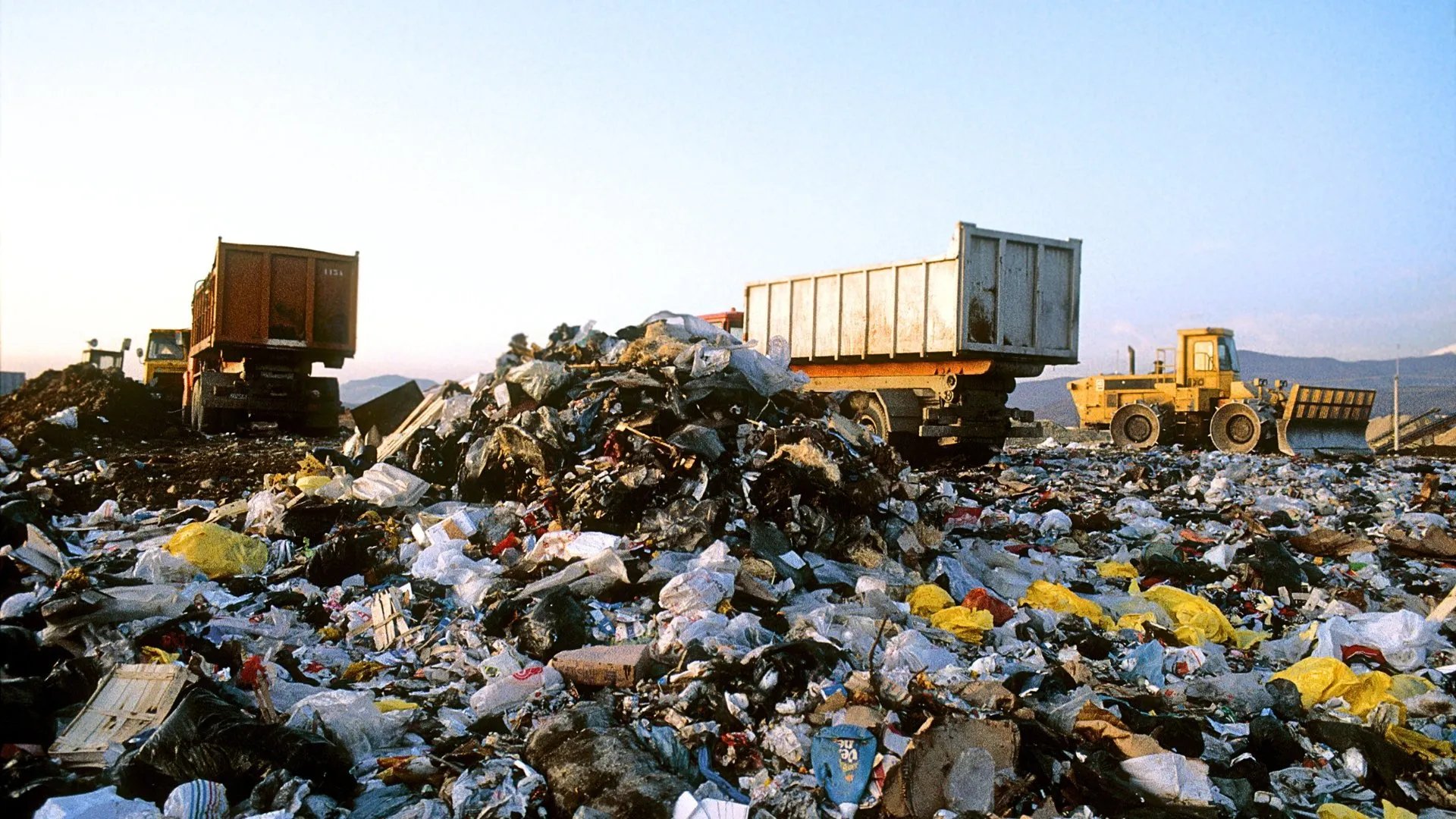
However, implementation remains a critical challenge. Past efforts at segregation have been uneven due to limited awareness, inconsistent enforcement and gaps in collection systems. Ensuring compliance will require sustained public engagement, clear guidelines and reliable collection mechanisms aligned with the new categories. From an environmental standpoint, the policy has wider implications. Effective segregation can significantly reduce the volume of waste sent to landfills, cutting methane emissions and minimizing groundwater contamination. It also supports the recycling economy, creating opportunities for formal and informal sectors involved in material recovery. For a city aiming to balance rapid urbanization with environmental sustainability, the success of four stream waste segregation will depend on how seamlessly it is integrated into daily urban life.
As April approaches, attention is likely to shift towards readiness on the ground—from infrastructure upgrades to behavioural change among citizens. If executed effectively, the initiative could serve as a model for other Indian cities seeking to transition from linear waste disposal systems to more sustainable, circular urban ecosystems.