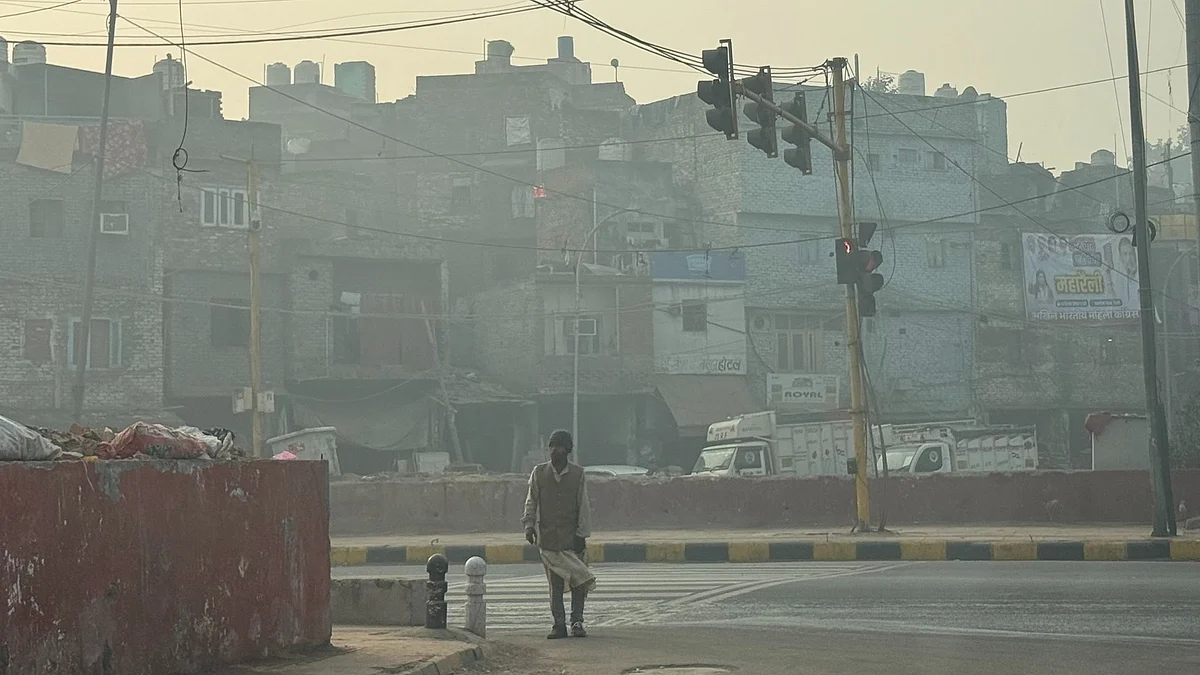
Regulatory authorities overseeing air pollution in the National Capital Region (NCR) have intensified enforcement actions, reviewing dozens of inspections and initiating penalties against non-compliant entities as part of an ongoing air quality crackdown. The latest assessment signals a sharper compliance push across sectors contributing to urban pollution, with implications for construction, industry and infrastructure operations. At a recent review of enforcement activity, officials examined inspection outcomes spanning nearly a month, covering sectors such as construction and demolition, industrial operations, road dust management and diesel generator usage. Close to 80 inspection reports were analyzed, resulting in proposed actions ranging from temporary closures to equipment sealing and formal notices for violations.
The NCR air quality crackdown reflects a broader regulatory shift from advisory-based oversight to stricter enforcement. Urban planners note that while policy frameworks for air pollution control have existed for years, consistent implementation has often been a challenge. Increased inspection frequency and faster follow-up actions are now being prioritized to ensure compliance on the ground. Authorities are also seeking to improve institutional coordination by expanding inspection teams to include personnel from central and state pollution control agencies. This move is expected to strengthen accountability and reduce gaps in monitoring, particularly in areas where jurisdictional overlaps have historically slowed enforcement. Beyond individual violations, the review highlighted systemic concerns in managing road dust—one of the major contributors to particulate pollution in Delhi and surrounding cities. Multiple civic and infrastructure agencies responsible for road maintenance and construction activities were flagged during inspections, with corrective measures initiated. Experts point out that managing dust requires continuous monitoring, mechanized cleaning and stricter on-site compliance, especially in rapidly urbanizing corridors.
Cumulative data from enforcement drives underscores the scale of the challenge. Tens of thousands of entities, including industrial units and construction projects, have been inspected so far. Thousands of closure directives have been issued, while a significant number of units have been allowed to resume operations after demonstrating compliance. Several cases remain under regulatory review, indicating a pipeline of ongoing enforcement decisions. For businesses and developers, the intensified NCR air quality crackdown carries operational and financial implications. Non-compliance risks project delays, penalties and reputational costs, particularly in sectors such as real estate and infrastructure where environmental clearances are closely scrutinized. At the same time, consistent enforcement can help create a level playing field by discouraging cost-cutting practices that bypass environmental norms. From an urban development perspective, the crackdown aligns with the need for cleaner, more sustainable growth models. As NCR cities expand, integrating environmental compliance into construction practices, industrial processes and infrastructure planning becomes essential for long-term resilience.
The focus now shifts to execution. Experts emphasize that sustained monitoring, timely enforcement and transparent reporting will determine whether these measures translate into measurable air quality improvements. For a region grappling with chronic pollution, the effectiveness of this crackdown could shape both public health outcomes and the future trajectory of urban development.