


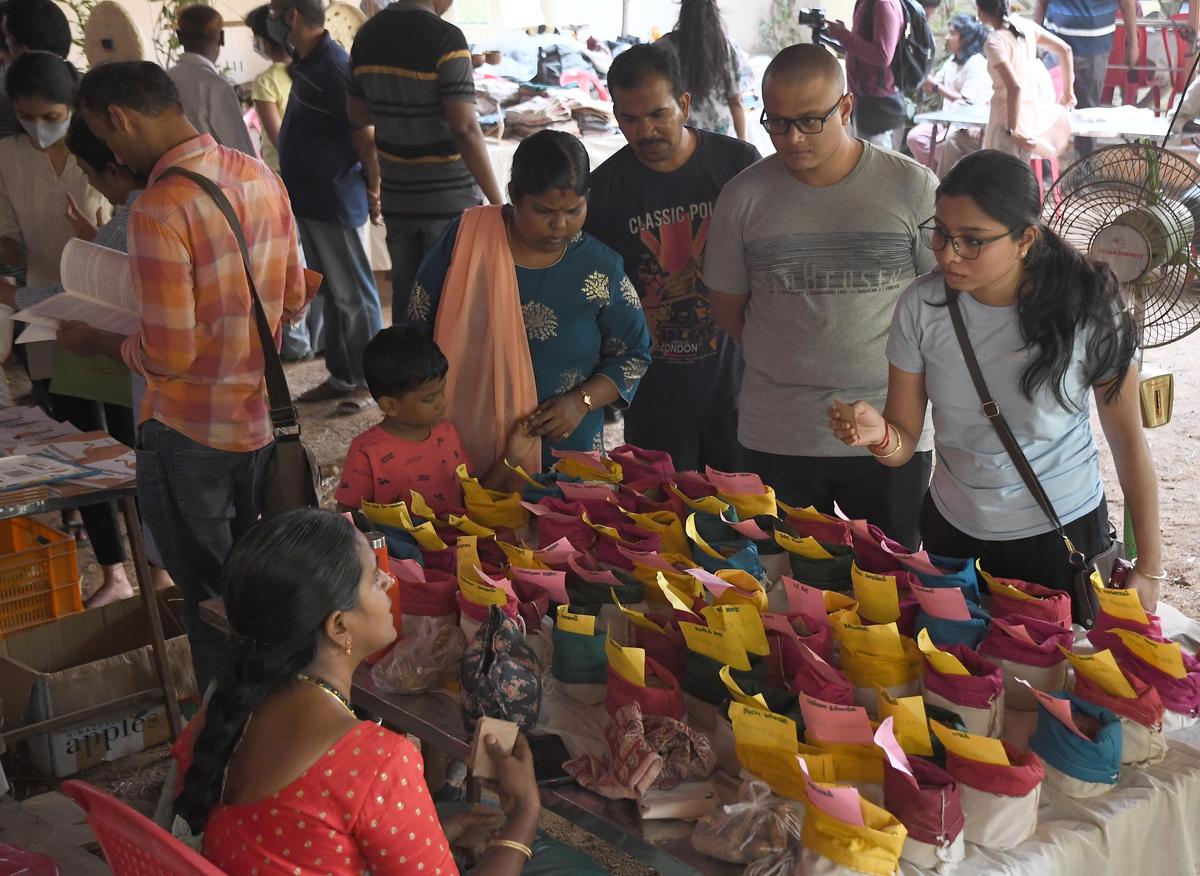
A growing interest in sustainable consumption is reshaping urban retail spaces in Chennai, where curated eco markets are bringing farmers, small producers, and city consumers onto a shared platform.
Events such as the Chennai eco bazaar are emerging as key nodes in building shorter, more transparent supply chains while encouraging environmentally responsible lifestyles.Held in accessible neighbourhood locations, the Chennai eco bazaar showcases organic produce, natural products, and low-impact alternatives to everyday goods. For urban residents, it offers direct access to farm-sourced food and artisanal items, reducing reliance on conventional retail systems that often involve long-distance transportation and multiple intermediaries.Urban planners and food system experts view the Chennai eco bazaar as part of a broader shift towards decentralised consumption. By connecting producers directly with consumers, such initiatives help improve income stability for farmers while enhancing traceability and trust in food systems. This is particularly relevant in cities where concerns around food quality, chemical use, and environmental impact are growing.Officials associated with sustainable agriculture networks indicate that demand for organic and naturally grown produce has risen steadily in recent years. However, scaling this demand requires consistent market access for producers. Pop-up markets and eco bazaars are filling this gap by creating predictable urban demand clusters, even if temporarily.
The rise of the Chennai eco bazaar also reflects changing consumer behaviour, especially among younger urban populations seeking healthier and more sustainable lifestyles. Beyond food, these markets often include eco-friendly home products, textiles, and personal care items, signalling a broader transition towards conscious consumption.From an infrastructure perspective, such initiatives highlight the need for cities to integrate alternative retail formats into planning frameworks. Unlike conventional markets or malls, eco bazaars rely on flexible, open spaces and community participation. Experts suggest that incorporating designated areas for periodic sustainable markets could strengthen urban resilience and support local economies.There are also environmental implications. Shorter supply chains reduce transportation emissions, while the promotion of organic farming practices contributes to soil health and biodiversity. However, challenges remain in ensuring affordability and accessibility, as organic products are often priced higher than conventional alternatives.For Chennai, the Chennai eco bazaar represents more than a niche retail trend. It signals an evolving urban economy where sustainability, local sourcing, and community engagement intersect. As cities grapple with climate pressures and resource constraints, such models offer insights into how consumption patterns can align with environmental goals.
Looking ahead, the success of these markets may depend on policy support, infrastructure integration, and sustained consumer engagement. If scaled effectively, initiatives like the Chennai eco bazaar could play a significant role in shaping more inclusive, resilient, and low-carbon urban food systems.
Also Read:Kumbakonam Chennai Alternate Route Highlights Connectivity Gaps
